

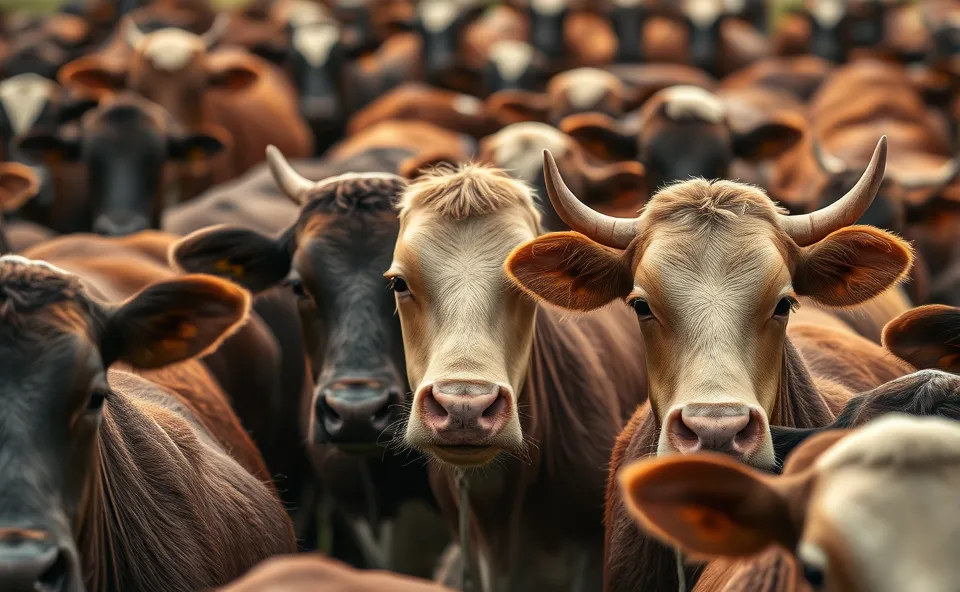
The Unseen Threat to Our Steaks
Okay, so imagine this: tiny, buzzing insects that can wreak absolute havoc on our farms, especially on our beloved cattle. We’re talking about the screwworm, a nasty parasite that has the potential to cause some serious headaches for agriculture. Recently, there’s been a bit of a hold-up in getting a solution fully deployed to tackle a screwworm infestation that’s popped up. This isn’t just a minor blip; it has real ripple effects that could touch your grocery bill and the way our farms operate.
Why Are We Talking About This Now?
The reason this story is gaining traction is because the tools we usually rely on to fight back against this kind of problem are facing delays. When a threat like the screwworm reappears, the world of agriculture expects a swift and effective response. The fact that there’s a lag in getting the full solution to the field means that this particular parasite has had more time to spread its wings, so to speak. This urgency is driving the increased interest and, consequently, the search for answers about what’s going on.
A Ghost from the Past
To really get why this is a big deal, we need to rewind a bit. The screwworm isn’t exactly a new enemy. It’s a parasite that lays its eggs in the open wounds of warm-blooded animals. When those eggs hatch, the larvae burrow into the flesh, feeding on the living tissue. This is incredibly painful and often fatal for the animal if left untreated. In the past, particularly in the mid-20th century, screwworm infestations were a major crisis in the United States, decimating livestock populations. The solution that ultimately worked, and worked brilliantly, involved a remarkable feat of science and cooperation: the sterile insect technique. This method involves breeding millions upon millions of male screwworm flies in a lab, sterilizing them with radiation, and then releasing them into the wild. These sterile males then mate with wild females. Since the males are sterile, no offspring are produced, and over time, this drastically reduces the population until it’s eradicated. It was a triumph, a way to effectively control a destructive pest without using widespread pesticides. However, eradicating it completely from vast areas is a constant effort, and reintroductions can happen, especially from neighboring countries where control might not be as robust.
The Ripples That Spread
So, what does a delayed solution for a screwworm infestation mean for us? A lot, actually. First and foremost, our cattle are at risk. A screwworm infestation can cause immense suffering for livestock, leading to reduced weight gain, sickness, and even death. For farmers, this translates directly into financial losses. Healthy cattle are the backbone of the beef industry, and anything that threatens them puts the entire operation in jeopardy. This, in turn, affects the supply chain. When livestock are lost or weakened, there’s less beef to go around. This kind of scarcity, even on a regional level, can drive up beef prices. You might see this reflected at the supermarket checkout. It’s a clear example of how animal health directly impacts food availability and affordability for consumers. The technology behind breeding and releasing sterile flies is a cornerstone of this control method. Delays in deploying this technology mean that the window to contain and eradicate the infestation effectively is shrinking, potentially allowing the parasite to gain a stronger foothold and require more extensive, costly, and time-consuming efforts to control later on. It’s a stark reminder of how interconnected our agricultural systems are and how crucial timely interventions are in animal health and pest management.
Looking Ahead: What’s Next?
The immediate future hinges on overcoming these deployment delays. The experts are undoubtedly working to understand the root causes of the hold-up and to expedite the process. The sterile insect technique itself is a proven method, but its effectiveness relies on timely and widespread application. We can expect a concentrated effort to get the sterile flies into the affected areas as quickly as possible. The goal will be to get back to a state of containment and, ultimately, eradication. This might involve increased resources and logistical coordination. Farmers will likely be on high alert, working closely with veterinary medicine professionals and agricultural agencies to monitor their livestock and report any signs of infestation. The agricultural sector has a strong history of adapting and overcoming challenges, and this situation will likely see a renewed focus on robust infestation control strategies. The long-term outlook depends on how successfully this current outbreak is managed and on strengthening biosecurity measures to prevent future introductions of the screwworm.
Got Questions About Screwworms and Cattle?
What is a screwworm infestation and how does it affect cattle?
A screwworm infestation happens when the larvae of the screwworm fly lay eggs in the open wounds of animals like cattle. These larvae then eat the flesh of the animal, causing severe pain, infection, and potentially death if not treated. It’s a dangerous parasite for livestock.
Why are people concerned about the screwworm now?
There’s increased concern because the deployment of the solution to combat a recent screwworm infestation has been delayed. This delay means the parasite has had more time to spread, raising alarms within the agriculture community about its potential impact.
How does the sterile fly method work to control screwworm populations?
The sterile fly method involves breeding millions of male screwworm flies in a laboratory, sterilizing them with radiation, and then releasing them into the wild. These sterile males mate with wild females, but since they are sterile, no offspring are produced, which leads to a significant reduction in the screwworm population over time.
What is the potential impact of a screwworm infestation on beef prices and the supply chain?
A widespread screwworm infestation can lead to significant losses in cattle herds. This reduction in the available livestock directly affects the supply of beef. When supply decreases, especially in affected regions, beef prices can increase for consumers, impacting the entire supply chain from farm to table.
What role does veterinary medicine play in managing screwworm infestations in cattle?
Veterinary medicine is crucial in identifying, diagnosing, and treating individual cases of screwworm infestation in cattle. Veterinarians also play a key role in educating ranchers about prevention, early detection, and reporting suspected cases to agricultural authorities, which is vital for effective infestation control.











