

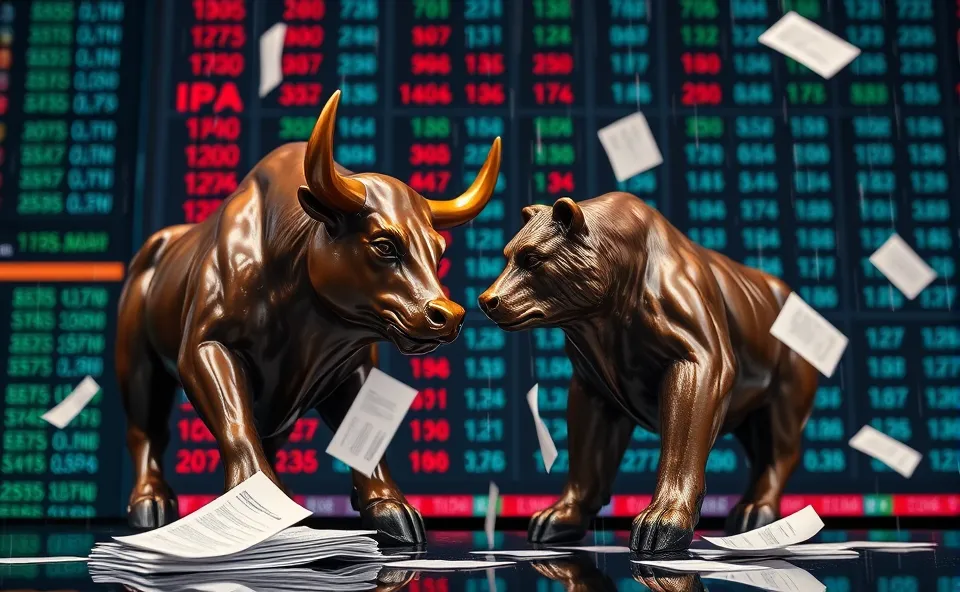
The Big Wave of New Faces on Wall Street
If you have been glancing at the financial news lately, you might have noticed something different. The quiet stretches of the stock market are being replaced by a sudden, loud rush of activity. We are seeing a massive wave of mega-IPOs and frequent new shares hitting the market. This is not just a few small startups trying to find their footing. We are talking about massive companies making their grand entrance on Wall Street, bringing billions of dollars in value with them.
For a while, the process of a company issuance felt almost nonexistent. The big players were staying private, holding onto their cash, and waiting for a better time. But that has changed. Now, the floodgates seem to be opening. Companies that have been growing behind closed doors are finally ready to step into the public eye. This shift is creating a lot of buzz, not just because of the size of the companies, but because of what this movement says about the health of the entire economy.
When these large companies decide to launch an IPO, they do more than just raise money. They change the landscape of the stock market. They bring new sectors into the spotlight, they attract new types of buyers, and they force investors to re-evaluate where the next big growth opportunity lies. It feels like a fresh chapter is being written, and everyone is trying to figure out if it is a story of prosperity or a final surge before a change in direction.
Why Everyone is Talking About These New Stocks
You might wonder why this is suddenly the hottest topic in finance. Why now? The answer lies in a perfect storm of several different economic factors coming together at once. It is not just about one company wanting to go public. It is about a collective shift in how people feel about money and risk.
One of the biggest drivers is the massive surge in equity demand. After a period of uncertainty, investors are looking for ways to put their capital to work. They are hungry for growth, and they are looking toward these new stock issuances to provide it. When there is a lot of money looking for a home, the market responds by providing more opportunities to invest.
Another key factor is the recent earnings momentum we have seen across many sectors. For a long time, people were worried that high costs and inflation would eat away at corporate profits. However, many companies have proven to be much more resilient than expected. They have kept their margins healthy and their growth steady. This strength in earnings gives companies the confidence to go public, and it gives investors the confidence to buy in. When a company can show a clear path to profit, the appetite for their new shares becomes much stronger.
Finally, there is a noticeable shift in investor risk appetite. During uncertain times, people tend to play it safe. They hide in cash or low-risk bonds. But right now, there is a sense of optimism returning. Investors are willing to look at newer, potentially more volatile companies because they believe the long-term rewards will outweigh the short-term risks. This willingness to take chances is what fuels the engine of Wall Street.
Getting Some Perspective on the Quiet Years
To really understand why this current surge feels so intense, we have to look back at what happened before. We recently went through what many called an IPO drought. It was a period where the path to going public was blocked by several obstacles. For a couple of years, the market was not a friendly place for new companies.
Interest rates were climbing quickly, making it more expensive for companies to borrow money. At the same time, the overall stock market was experiencing significant swings. This volatility made it very difficult for companies to value themselves accurately. If a company goes public when its stock price is crashing, it might not raise the money it needs to grow. Because of this, many businesses decided to wait. They chose to stay private and focus on building their foundations rather than dealing with the chaos of a public listing.
During those years, the market outlook was cautious and, at times, quite grim. The focus was on survival and efficiency rather than expansion and new offerings. This created a buildup of pent-up energy. All those companies that wanted to go public but couldn’t were essentially waiting in a long line. Now that the economic environment has stabilized somewhat, that line is moving very quickly. We are seeing the results of that waiting period manifest as a sudden explosion of activity.
Deciphering What This Means for the Market
The big question on everyone’s mind is this: Is this surge a sign of a healthy, growing economy, or is it a warning sign of an upcoming market downturn? This is a complicated question with no easy answer, but there are two main ways to look at it.
On one hand, a surge in mega-IPOs is generally a sign of strength. It shows that the capital markets are functioning well. It means companies are profitable enough to want to share their success, and investors have enough extra cash to want to buy into that success. From this perspective, the increased equity demand is just a sign that the cycle of growth is resuming. It is a healthy part of a functioning financial system to have periods of intense activity followed by periods of consolidation.
On the other hand, some analysts worry that this level of excitement could be a sign that the market is getting ahead of itself. There is a concept in finance where, when everyone is suddenly very eager to buy and risk is high, it might mean we are approaching a peak. If investor risk appetite becomes too high, it can lead to inflated prices that do not actually reflect the true value of the companies. If the market becomes too “frothy,” a correction or a market downturn could follow as reality sets in.
The impact of this surge extends beyond just the big players. For the average person, it means more options in the market, but also more complexity. When a massive amount of new shares enters the market, it can cause price swings in existing stocks. It also means that the stock market becomes more sensitive to news about these new entries. It is a high-energy environment that requires a careful eye.
What to Watch as the Market Moves Forward
As we move into the coming months, we should not try to predict the future, but we can certainly look for clues. The trend of company issuance will likely continue, but the quality of those issuances will be the real test. We should watch to see if these new companies can maintain their earnings momentum once they are under the constant scrutiny of public shareholders.
A few key things to keep an eye on include:
- Interest Rate Trends: If rates stay steady or decrease, it will likely fuel even more new shares entering the market.
- Economic Data: Reports on inflation and employment will continue to dictate the overall market outlook.
- Post-IPO Performance: Watch how those mega-IPOs perform in their first six months. Do they hold their value, or do they crash after the initial excitement fades?
- Corporate Earnings: The ability of established companies to keep growing will determine if investors stay confident enough to keep seeking new opportunities.
The current environment is one of transition. We are moving from a period of caution to a period of action. Whether this leads to a sustained period of growth or a temporary peak remains to be seen, but one thing is certain: Wall Street is far from boring right now.
Common Questions About the IPO Surge
Why are we seeing so many mega-IPOs right now?
The surge in mega-IPOs is driven by a combination of high equity demand and strong earnings momentum. After a period of waiting, many large companies now feel the economic conditions are stable enough to go public and raise significant capital.
Does a surge in new shares mean a market downturn is near?
Not necessarily. While some see high activity as a sign of a market peak, others see it as a sign of a healthy, recovering stock market. It depends on whether the excitement is based on real company value or just excessive investor risk appetite.
How does equity demand affect Wall Street?
High equity demand means there is more money available to invest in companies. This makes it easier for Wall Street to facilitate stock issuance and helps provide the liquidity needed for companies to grow and for investors to trade.
What role does earnings momentum play in the current market?
Earnings momentum acts as the foundation for investor confidence. When companies show they can grow their profits even in a complex economy, it encourages both the companies themselves to pursue new shares and the investors to buy them.
What is the general market outlook for the rest of the year?
The market outlook remains tied to broader economic factors like interest rates and inflation. While the current surge in company issuance shows strength, the market will remain sensitive to any data that might suggest a shift in economic stability.











