

When Conflict Strikes, The World Feels It: Unpacking the Iran War’s Ripples
Let’s talk about something big, something that has the power to shake up economies and redraw global maps. We’re diving into the long-term fallout of a potential Iran war. It’s not just about what happens on the ground; it’s about the economic punch it packs, the markets it moves, and the very fabric of our global energy system. When nations clash, especially in a region as critical as the Middle East, the consequences echo far beyond the headlines.
Why Are We Talking About This Now?
The drumbeats of conflict can always intensify, and in today’s fast-paced world, any shift in the geopolitical landscape around a major oil producer like Iran immediately grabs attention. Investors, businesses, and even everyday consumers start to worry. They’re searching for answers because uncertainty breeds anxiety. People want to understand how a conflict involving Iran could affect their wallets, their jobs, and the availability of everyday goods. This isn’t just academic; it’s about tangible economic impact.
A Look Back to Understand the Present
To grasp the full weight of a potential Iran war’s economic impact, we need a little background. Iran sits on some of the world’s largest oil reserves, making it a linchpin in global energy markets. For decades, its relationship with the international community has been complex, often marked by financial sanctions and periods of heightened tension. These factors have already influenced global oil prices and regional stability. Any significant military action would build upon this already delicate foundation, potentially exacerbating existing vulnerabilities.
The Economic Avalanche: What This Means for Us
When we talk about an Iran war, the immediate thought for many is oil prices. And rightly so. Imagine a major supplier being disrupted; supply drops, demand stays the same or even rises due to panic buying, and voila, prices shoot up. This isn’t just about your gas tank. Higher oil prices mean higher transportation costs for everything, from food to electronics. Businesses face increased operating expenses, which can lead to inflation, slower growth, and even job losses. The economic impact is widespread and deeply felt.
Beyond oil, think about reconstruction costs. If conflict erupts, the damage can be immense, not just to infrastructure but to human lives and livelihoods. The subsequent rebuilding effort would require vast sums of money, likely diverting resources from other development projects globally. This could mean less investment in areas like renewable energy, healthcare, or education, further shaping the future economic landscape.
Global markets are inherently interconnected. A conflict in Iran creates what we call geopolitical instability. This instability makes investors nervous. They tend to pull their money out of riskier assets and move it to safer havens. This can lead to stock market downturns and currency fluctuations. The ripple effect extends to trade disruption; shipping routes could be affected, and international trade agreements might come under strain, leading to further economic uncertainty.
Moreover, the very concept of energy security comes into play. Nations heavily reliant on imported oil would face significant challenges. This could prompt a reevaluation of energy strategies, with a potential push for greater domestic production or a faster transition to alternative energy sources. However, such transitions take time and significant investment, meaning the short to medium-term impact could be quite severe.
The implementation of new financial sanctions or the tightening of existing ones on Iran would also have a profound economic impact. These measures aim to pressure a country but can also create unintended consequences for global trade and financial systems, affecting companies and consumers far beyond the immediate conflict zone. Investor sentiment, which is essentially how confident investors feel about the market, takes a major hit during periods of such conflict, leading to cautious spending and investment decisions.
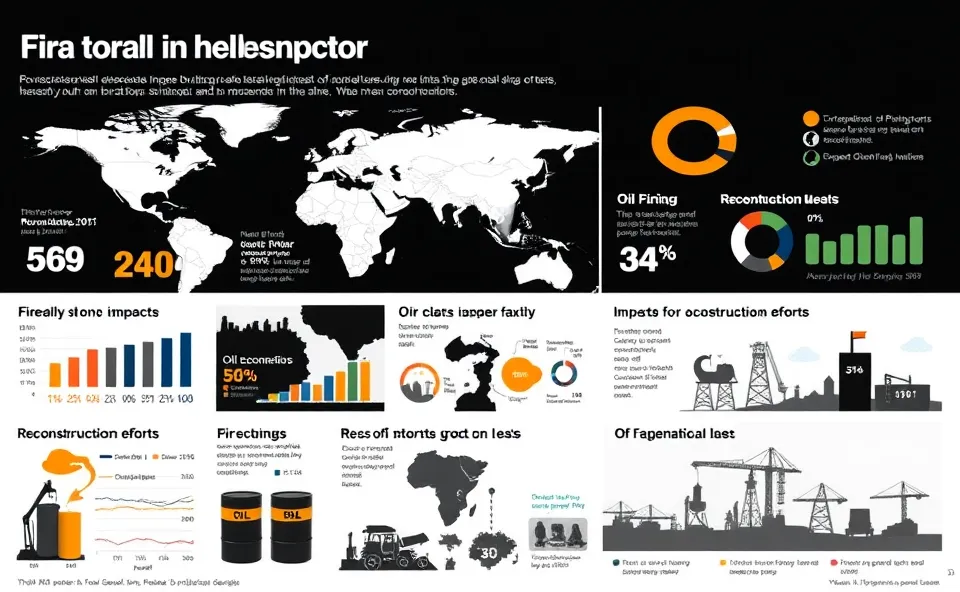
Let’s visualize some of these impacts:
- Chart 1: Oil Price Volatility: We’d likely see a sharp upward spike in crude oil prices, followed by potential long-term volatility as supply concerns persist and market speculation takes hold.
- Chart 2: Global Energy Stock Performance: Stocks of energy companies might initially surge due to expected higher prices, but long-term performance could be dampened by geopolitical risk and potential demand destruction if prices become too high.
- Chart 3: Reconstruction Needs vs. Global Investment: A projected chart showing the massive scale of reconstruction costs in a conflict-affected Iran against current global investment trends, highlighting resource allocation challenges.
- Chart 4: Trade Flow Disruptions: Visualizing key shipping lanes and trade routes that could be impacted, showing potential delays and increased costs for global commerce.
- Chart 5: Shifts in Investor Sentiment Index: A trend line illustrating a sharp decline in investor confidence during periods of heightened geopolitical tension surrounding Iran, followed by a slow, uncertain recovery.
- Chart 6: Impact on Emerging Market Currencies: Showing how currencies of developing nations, often heavily reliant on imported energy, could weaken due to rising oil prices and global economic instability.
- Chart 7: Long-Term Oil Supply Forecasts (with and without disruption): Comparing projected oil supply over the next decade under normal circumstances versus a scenario involving significant disruption in Iran, emphasizing the shift towards alternative energy sources or increased production elsewhere.
Looking Ahead: What’s Next on the Horizon?
The long-term outlook following an Iran war scenario is complex. Economically, we could see a sustained period of higher energy costs and inflationary pressures globally. Businesses might accelerate their diversification of supply chains and energy sources. Countries heavily dependent on oil imports will likely double down on efforts to achieve greater energy security, potentially fast-tracking investments in renewables or other domestic energy solutions. Geopolitically, the regional power balance would be significantly altered, leading to new alliances and potential for further instability or, conversely, a drive for more robust international cooperation to prevent future conflicts.
Financial sanctions, if imposed, could reshape international banking and trade practices for years to come, creating new compliance challenges and opportunities. The global market’s response will depend heavily on the duration and intensity of any conflict, as well as the effectiveness of international diplomatic efforts to stabilize the region. Investor sentiment will remain a key indicator of economic recovery, likely taking a significant amount of time to regain previous levels of confidence.
Frequently Asked Questions About the Iran War’s Economic Impact
What is the primary economic impact of a potential Iran war?
The primary economic impact of a potential Iran war would likely be a significant surge in global oil prices due to supply disruptions. This would cascade into increased inflation, higher transportation costs, and broader economic slowdowns worldwide.
How do financial sanctions on Iran affect global markets?
Financial sanctions on Iran can disrupt international trade, limit investment opportunities, and create uncertainty in global financial markets. They can also lead to shifts in trade patterns as countries seek alternative suppliers and markets.
What does geopolitical instability around Iran mean for investors?
Geopolitical instability around Iran typically leads to decreased investor sentiment. Investors often become more cautious, moving funds from riskier assets to safer ones, which can cause stock market volatility and currency fluctuations.
How might an Iran war impact energy security for other nations?
An Iran war would severely challenge global energy security, especially for nations heavily reliant on oil imports. This could drive accelerated investment in renewable energy and diversification of energy sources to reduce dependency.
What are the potential trade disruption consequences of an Iran conflict?
Trade disruption consequences could include the closure or rerouting of vital shipping lanes, increased insurance costs for maritime trade, and potential shortages of goods as supply chains are broken, leading to higher prices for consumers.











