

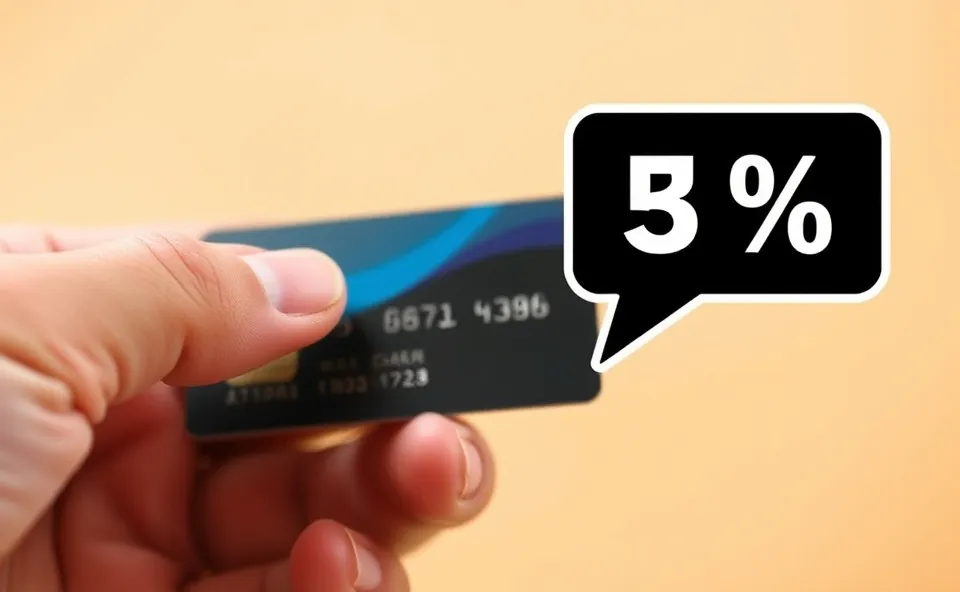
Your Credit Card Interest Rate A Little Chat
Ever look at your credit card statement and feel a little ache in your wallet when you see the interest charges? We’ve all been there. That percentage, often called the Annual Percentage Rate or APR, is basically the fee you pay for borrowing money on your card. Sometimes, life throws curveballs, and carrying a balance becomes a necessity. When that happens, that interest rate can really start to add up, making it harder to pay down your credit card debt. But what if I told you that you might be able to talk your way into a lower credit card interest rate? Yep, it’s totally possible, and it’s a smart move for saving money on interest.
Why Everyone’s Talking About Lowering Their APR Right Now
So, why is this suddenly such a hot topic? It’s a mix of things. For starters, the economic climate can make people more mindful of every dollar. When living costs go up, finding ways to trim expenses becomes crucial. Lowering your credit card interest rate is a direct way to cut down on how much you pay for everyday purchases if you carry a balance. Plus, with the constant buzz about managing credit card debt effectively, people are actively seeking out strategies that offer real financial relief. It’s about taking control of your money and making it work for you, not against you. The idea of a credit card negotiation is gaining traction because it’s a proactive step towards financial health.
A Quick Trip Down Memory Lane: How Credit Card Interest Works
To really get why negotiating your credit card interest rate is a good idea, it helps to understand a bit of history. Back in the day, credit cards were a bit simpler. Over time, they’ve become incredibly sophisticated financial tools, offering rewards, perks, and yes, varying interest rates. The rate you get often depends on a bunch of factors when you first get the card, like your credit score and the card issuer’s policies. If your financial situation has improved since you opened the card, or even if you’ve just been a good customer, you might now qualify for a better deal. Understanding this background makes the concept of a credit card negotiation less daunting and more logical.
What a Lower APR Means for Your Wallet and Your Peace of Mind
The impact of securing a lower credit card interest rate is pretty straightforward but profound. Imagine this: you owe $5,000 on your credit card. If your APR is 20%, a significant chunk of your monthly payment goes just towards interest. Now, if you successfully negotiate and bring that APR down to, say, 15%, you’re saving money every single month. This means more of your payment goes towards the actual balance, helping you get out of debt faster. It’s like a little financial superpower that helps you save money on interest and reduces the burden of credit card debt. This freed-up cash can then be used for other important things, like saving for a rainy day or investing in your future. It’s not just about numbers; it’s about breathing a little easier knowing you’re managing your finances more effectively.
Looking Ahead: What’s Next for Credit Card Interest Rates
As we look to the future, the ability to negotiate your credit card interest rate will likely remain a valuable skill. We might see more people actively engaging in this process as financial literacy continues to grow. Technology could even play a role, perhaps through apps or platforms that help users track their current rates and suggest when might be a good time to reach out to their card issuer. For businesses, understanding that consumers are becoming more empowered to seek better deals means they’ll need to maintain competitive interest rates to keep their customers happy. While we can’t predict exact future interest rate movements in the broader economy, the personal negotiation for a lower APR is a consistent strategy for consumers to manage their credit card debt and save money.
Your Credit Card Interest Rate Questions Answered
What is the best time to ask for a credit card interest rate reduction?
The best time to ask for a credit card interest rate reduction, or a lower APR, is generally when you have a good payment history with the card issuer. If you’ve been making your payments on time and have a solid credit score, you’re in a strong position. Also, consider asking if your financial situation has improved since you got the card. It’s always worth a try!
How can I prepare for a credit card negotiation to lower my APR?
To prepare for a credit card negotiation, gather your credit card statements to know your current balance and your APR. Check your credit score beforehand, as a higher score gives you more leverage. Be ready to explain why you deserve a lower interest rate, perhaps highlighting your long-standing loyalty or improved financial standing. Have a target interest rate in mind, but be flexible.
Will negotiating my credit card interest rate affect my credit score?
Typically, asking for an interest rate reduction or a lower APR does not negatively impact your credit score. This type of request is usually considered a “soft inquiry” or not an inquiry at all, meaning it doesn’t show up on your credit report in a way that would lower your score. It’s a negotiation, not an application for new credit.
What should I do if my credit card company says no to a lower interest rate?
If your credit card company says no to your request for a lower interest rate or APR, don’t despair. You can explore other options. One common strategy for managing credit card debt is a balance transfer to a new card with a lower introductory APR. You could also look into personal loans or debt management plans. Keep trying with your current issuer periodically, perhaps in six months.
How much can I expect to save by getting a lower credit card interest rate?
The amount you can save by getting a lower credit card interest rate depends on your outstanding credit card debt and the difference in the APR. For example, lowering your APR by just a few percentage points on a significant balance can save you hundreds or even thousands of dollars over time. This directly reduces your credit card debt repayment period and helps you save money on interest.











