

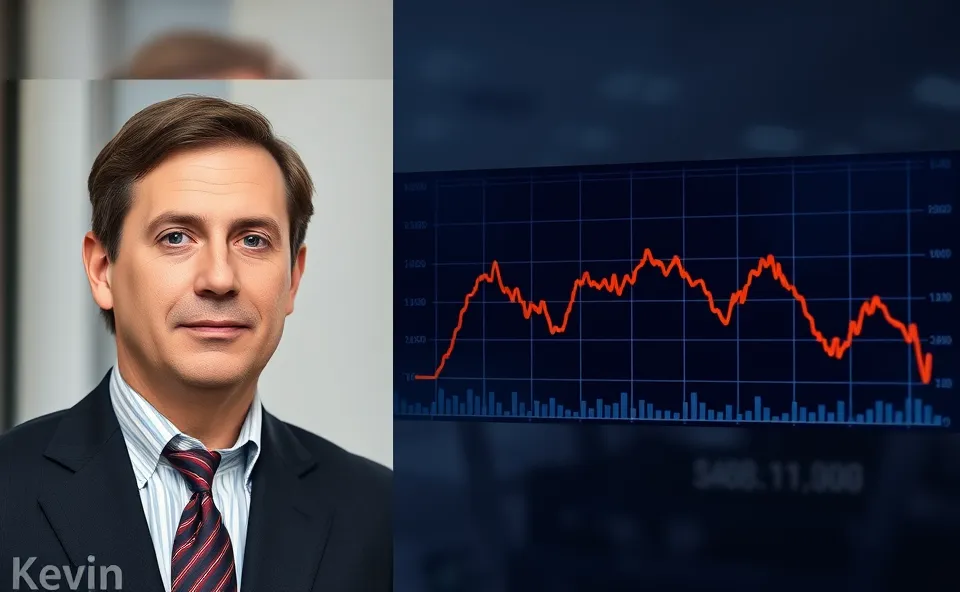
Warsh Speaks, Markets Flinch
So, Kevin Warsh recently gave a press conference, and boy, did the financial markets take notice. Think of it like this: Warsh, a former Federal Reserve governor, dropped some serious hints about where he sees monetary policy heading. And his words, to put it mildly, sounded pretty hawkish. This means he’s leaning towards tighter money policies, which often involves higher interest rates and a focus on controlling inflation. Investors, who are always looking for clues about the economy’s direction, reacted pretty swiftly and, well, not in a good way. Stock markets dipped, and there was a general sense of unease.
Why All the Buzz About Kevin Warsh Now?
You might be wondering why this particular press conference is causing such a stir. It’s a confluence of factors. Firstly, Kevin Warsh is a name that carries weight in financial circles. His past experience at the Federal Reserve means his opinions are closely watched. Secondly, the timing is crucial. The economy is at a delicate point, with ongoing discussions about inflation rates and the potential for future interest rate hikes. When someone of Warsh’s stature speaks with a hawkish tone, it’s not just idle chatter; it signals a potential direction for central bank policy, and that directly impacts everything from your investment portfolio to the cost of borrowing for businesses. People are searching for Kevin Warsh and the market reaction to understand what this hawkish shift could mean for their money and the broader economic outlook.
The Road to This Hawkish Stance
To truly grasp the significance of Warsh’s recent comments, we need a little background. Remember the Federal Reserve’s role? It’s the central bank of the United States, tasked with managing the money supply and promoting maximum employment and stable prices. For a long time, especially after the 2008 financial crisis, the Fed kept interest rates very low to stimulate the economy. This was a period of what’s often called “easy money.” Inflation rates were generally low. However, as the economy recovered and then faced new pressures, including supply chain issues and increased demand, inflation started to creep up. This is where the debate about monetary policy really heats up. A hawkish monetary policy is essentially the Fed’s tool to combat rising inflation by making borrowing more expensive, which can cool down demand.
Now, let’s bring Kevin Warsh into the picture. He’s not currently on the Federal Reserve board, but his views are seen as influential. He’s also been discussed as a potential candidate for leadership roles within economic policy circles. His recent pronouncements suggest a belief that the Fed might need to be more aggressive in raising interest rates to get ahead of inflation. This perspective contrasts with some who believe a more gradual approach is better to avoid tipping the economy into a recession. The market’s negative reaction underscores the sensitivity to any perceived shift towards a more aggressive tightening of financial conditions.
What This Means for All of Us
So, what’s the big deal? Why should you care about Kevin Warsh’s hawkish signals and the market reaction? It trickles down. When interest rates go up, it becomes more expensive to borrow money. This affects:
- Mortgages: Your dream home might become more costly to finance.
- Car Loans: Buying a new set of wheels could come with higher monthly payments.
- Business Investment: Companies might postpone expansion plans or new projects because borrowing costs are higher, potentially slowing down job creation.
- Stock Market Volatility: Higher interest rates can make bonds more attractive compared to stocks, leading investors to shift their money, which can cause stock prices to fall.
Essentially, a hawkish monetary policy, as signaled by Warsh, aims to cool down an overheating economy and control inflation rates. But it’s a balancing act. Too much tightening too quickly could stifle economic growth. The market’s negative reaction suggests that investors are worried about this balance being upset, fearing that a rapid shift to hawkish policy could harm the economic outlook more than help it in the short term. It also raises questions about the independence of central bank policy from political pressures, a topic that often surfaces when prominent figures with ties to the Trump administration express views on monetary policy.
Looking Ahead: What’s Next?
What does this all point to? Well, Warsh’s comments aren’t a policy change in themselves, but they are a strong indication of the kind of thinking that could influence future decisions. We’ll likely see continued close attention paid to any statements from Federal Reserve officials and other influential economists. The key will be how the actual Federal Reserve board interprets economic data, particularly inflation rates, and whether they decide to act on signals like those Warsh provided. If the Fed does indeed lean towards a more hawkish monetary policy, expect continued volatility in financial markets as investors adjust to the new interest rate environment.
The ongoing dialogue about the appropriate pace of interest rate hikes and the management of inflation will remain a central theme in economic discussions. The market’s interpretation of these developments, influenced by voices like Kevin Warsh, will continue to shape the economic outlook. It’s a dynamic situation, and staying informed is key to understanding the shifts in central bank policy and their impact.
Frequently Asked Questions
What does a hawkish monetary policy mean for Kevin Warsh?
When Kevin Warsh expresses a hawkish monetary policy stance, it means he generally favors policies that aim to control inflation, often through higher interest rates and a tighter money supply. This approach is typically seen as a response to concerns about the economy overheating or inflation rates rising too quickly.
Why did the market reaction to Kevin Warsh’s comments be negative?
The market reaction to Kevin Warsh’s hawkish comments was largely negative because investors interpreted his statements as a signal for potentially more aggressive interest rate hikes. Higher interest rates can slow economic growth and reduce corporate profits, which can make investors nervous and lead to a sell-off in financial markets.
What is the connection between Kevin Warsh and the Trump administration regarding monetary policy?
Kevin Warsh has been discussed as a potential candidate for economic policy roles and has had ties to individuals associated with the Trump administration. His public statements on monetary policy are often scrutinized to see if they align with or diverge from the administration’s economic priorities, raising questions about the independence of central bank policy discussions.
How does Kevin Warsh’s view on hawkish policy affect inflation rates and interest rate hikes?
If Kevin Warsh’s hawkish perspective influences Federal Reserve decisions, it could lead to faster and potentially larger interest rate hikes. The goal of such hikes is to curb demand and bring down inflation rates. Therefore, his hawkish stance suggests a proactive approach to managing inflation, even at the risk of slowing economic activity.
What does Kevin Warsh’s hawkish outlook suggest about the future economic outlook?
Kevin Warsh’s hawkish outlook suggests he believes there’s a significant risk of inflation that needs to be addressed decisively. This implies a belief that the current economic conditions may warrant tighter monetary policy to ensure long-term stability, even if it means short-term adjustments for financial markets and potentially a moderated economic outlook in the immediate future.











