

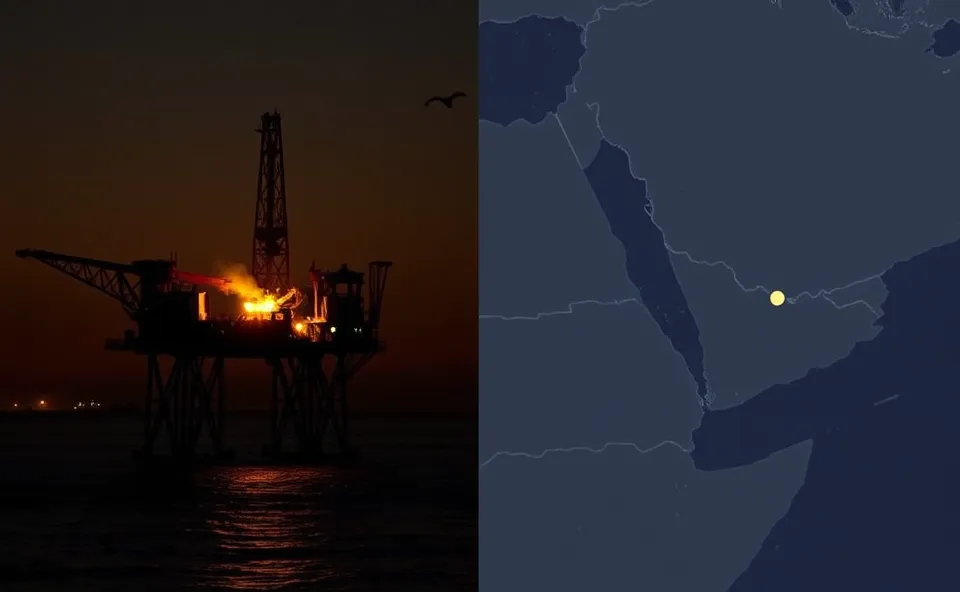
A Potential Shift in the Global Energy Landscape
There is a lot of quiet talk happening in the world of international politics right now. You might have heard whispers about a potential Iran deal that could change how the world moves. While it sounds like something only politicians care about, it actually has a massive connection to your daily life. At its core, this is about how much it costs to fuel your car, heat your home, and move goods across the ocean.
If a new agreement is reached between the United States and Iran, it could lead to a significant change in how crude oil flows through the international system. For years, various sanctions have limited how much oil can be traded from certain parts of the Middle East. A new deal could lift some of those restrictions. This would mean more crude oil becomes available to the world, which has a direct effect on oil prices everywhere.
Think of it like a giant faucet. Right now, the faucet is partially turned off because of political tensions. If a deal is signed, that faucet opens up wider. More supply usually means lower prices, and that is a big deal for anyone trying to manage a budget in today’s world.
Why This is Suddenly Everywhere in the News
You might be wondering why everyone is suddenly obsessed with these specific discussions. The answer is simple: uncertainty. The global economy does not like surprises, and it especially does not like surprises involving energy. Currently, market volatility is quite high. Investors and businesses are constantly watching the news to see if a sudden conflict or a sudden peace deal will send oil prices shooting up or crashing down.
People are searching for information because they see Brent Crude prices moving in unpredictable ways. When you see the price of energy changing every hour, it creates a sense of urgency. Businesses that rely on shipping or manufacturing need to know what their costs will look like next month. If a deal is on the table, it provides a glimmer of hope for stability. On the other hand, if negotiations fail, the market might react with a sudden spike in costs.
This interest is also driven by the way news travels today. One headline about a diplomatic meeting can trigger a massive wave of trading in energy markets. This creates a cycle where the news drives the price, and the price movement drives even more news. It is a high stakes game that affects everyone from large corporations to individual commuters.
The History of Tension and the Chokepoint
To understand why this matters so much, we have to look at the past. For a long time, the relationship between the United States and Iran has been defined by friction. This tension has often resulted in sanctions that target the Iranian energy sector. These sanctions are a major part of U.S. foreign policy and have a huge impact on the oil supply chain.
One of the most critical pieces of this puzzle is the Strait of Hormuz. This is a very narrow stretch of water that connects the Persian Gulf to the rest of the world. It is one of the most important maritime passages on the planet. A huge percentage of the world’s liquid energy passes through this tiny gap every single day. If there is even a hint of trouble in the Strait of Hormuz, the entire world feels the pressure.
Historically, whenever tensions rise, there is a fear that this passage could be blocked or disrupted. If the Strait of Hormuz were to close, even for a short time, the impact on the global economy would be catastrophic. It would create an immediate shortage of crude oil, sending prices to levels that most countries could not handle. This is why any talk of a deal that reduces tension in this region is met with such intense focus.
What a New Agreement Means for the World
If we actually see a successful Iran deal, the ripple effects will be felt in almost every sector. Here is a breakdown of what that could look like:
- Stabilized Energy Markets: More predictable supply leads to less panic. When traders know more oil is coming, they are less likely to drive prices up based on fear.
- Lower Brent Crude Trends: Increased supply typically puts downward pressure on Brent Crude. This could help cool down inflation in many parts of the world.
- Stronger Global Economy: When energy is affordable, businesses can operate more cheaply. This can lead to more growth and more jobs across the global economy.
- Smoother Supply Chains: For companies that move goods globally, stable fuel costs mean they can plan their budgets with much more confidence.
However, it is not just about lower prices. It is about the reduction of market volatility. High volatility makes it very difficult for companies to plan for the long term. A stable environment allows for better investment in new technologies and infrastructure. When the energy markets are calm, the entire world breathes a little easier.
Looking Toward the Horizon
So, what happens next? It is important to stay realistic. Diplomacy is a slow and difficult process. While a deal could bring stability, it is not a guarantee. We are likely to see a period of continued fluctuation as negotiators work through the details. U.S. foreign policy will continue to be a major driver of these movements, and any shift in political leadership or priorities could change the direction of these talks.
In the near term, watch the Brent Crude price trends. They will act as a barometer for how much the market believes a deal is actually possible. If prices remain steady despite minor tensions, it might mean the market is pricing in the possibility of a breakthrough. If prices jump at every small headline, it means the fear of disruption is still very much alive.
Ultimately, the goal is a more predictable oil supply chain. Whether through a new deal or through other shifts in global production, the world is constantly searching for a way to balance supply and demand without the constant threat of geopolitical shocks. The next few months will likely provide more clues about which way the wind is blowing.
Common Questions About Oil and Diplomacy
How will an Iran deal affect oil prices?
A successful Iran deal could increase the amount of crude oil available on the global market. When more supply is added to the energy markets, it often leads to a decrease in oil prices. This can help reduce costs for consumers and businesses alike.
Why is the Strait of Hormuz so important for the oil supply chain?
The Strait of Hormuz is a critical chokepoint through which a massive portion of the world’s crude oil is transported. Any disruption in this area can cause immediate market volatility and drive prices up because it threatens the stability of the entire oil supply chain.
What are the current Brent Crude price trends?
Brent Crude prices are currently influenced by geopolitical tensions and changes in demand. Investors watch these trends closely to predict how U.S. foreign policy and Middle East stability will impact the global economy in the coming months.
How does market volatility impact the global economy?
High market volatility creates uncertainty. When energy costs jump around unpredictably, it becomes harder for businesses to set prices and for governments to manage inflation. This uncertainty can slow down growth within the global economy.
What role does U.S. foreign policy play in energy markets?
U.S. foreign policy heavily influences energy markets through the use of sanctions and diplomatic negotiations. Decisions regarding an Iran deal or other regional policies can directly change how much crude oil is available to the world.











