

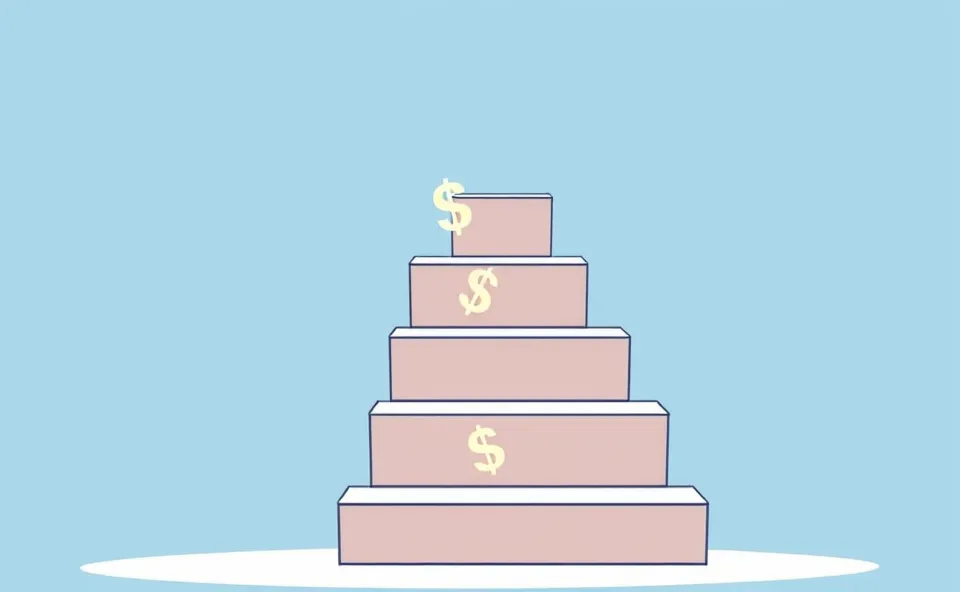
Let’s Break Down What a Tax Bracket Actually Is
Ever heard people talk about their “tax bracket” and wondered what that really means for their paycheck? It sounds a bit technical, but at its heart, it’s a pretty straightforward idea that touches almost everyone’s personal finance. Think of it like a series of buckets that your income gets sorted into, each with its own set of rules about how much of that specific slice of your money goes to taxes. It’s the foundation of how most countries collect income tax.
Essentially, a tax bracket defines a range of income that is taxed at a specific rate. This system is what makes up the progressive tax system we see in many places. The higher your income climbs, the higher the tax rate on those additional earnings becomes. It’s not that your entire income suddenly jumps to a higher rate, which is a common misconception. Instead, only the portion of your income that falls into that higher bracket is taxed at that higher rate. This is a crucial distinction to grasp when thinking about your tax implications.
Why Are We Talking About Tax Brackets Right Now?
This time of year always seems to bring tax-related topics into the spotlight. As tax season approaches or as people are planning for the future, understanding how their money is taxed becomes a top priority. People are naturally looking for ways to better manage their personal finance, and demystifying the tax system basics is a huge part of that. Whether it’s about anticipating refunds, planning for tax payments, or simply wanting to feel more in control of their financial lives, tax brackets are a key concept that pops up frequently.
The conversations often intensify around the end of the year when financial planning is top of mind, or during tax filing season when the realities of income tax hit home. It’s a period where many individuals and families actively seek clarity on their tax rates and how different income levels translate into tax obligations. This surge in interest makes understanding tax brackets and the broader implications of our tax system a trending topic for good reason.
A Little Background on How We Got Here
The concept of tax brackets and progressive taxation isn’t new. It evolved as a way to create a fairer system of collecting revenue. In the past, simpler tax systems might have had a flat rate for everyone, meaning everyone paid the same percentage of their income regardless of how much they earned. This could place a disproportionate burden on lower-income individuals.
The idea behind a progressive tax system is that those who earn more have a greater ability to contribute to public services and government funding. So, as your income increases, the percentage of tax you pay on each additional dollar also increases. This tiered approach, where different portions of your income fall into different tax brackets, aims to distribute the tax burden more equitably. It’s a foundational element of modern tax systems in many countries, designed to balance revenue needs with social fairness.
What This Means for Your Pocketbook
So, what’s the real-world impact of these tax brackets on your personal finance? For starters, it directly influences how much of your hard-earned money you get to keep after taxes. Let’s say you’re single and your taxable income falls into two brackets. The first chunk of your income might be taxed at 10%, but as soon as you earn more and cross into the next bracket, that portion of your income is taxed at, say, 12%. It’s crucial to remember that the 12% rate only applies to the income within that second bracket, not your entire earnings.
This distinction is where the term marginal tax rate comes into play. Your marginal tax rate is the rate you pay on your last dollar earned. It’s the rate of the highest tax bracket your income reaches. While your effective tax rate – the total tax paid divided by your total taxable income – might be lower, your marginal tax rate gives you a clear picture of how any additional income you earn will be taxed. This understanding is vital for making financial decisions, like whether to take on extra work or pursue a higher paying job, as you can better predict the tax implications.
Understanding your tax bracket also helps in several other personal finance areas:
- Tax Planning: Knowing your marginal tax rate can help you decide if certain tax-advantaged savings accounts or deductions are more beneficial for you.
- Income Forecasting: When you anticipate an income increase, you can estimate your post-tax income more accurately.
- Financial Goal Setting: It provides a clearer picture of disposable income, aiding in budgeting and saving for major purchases or investments.
For businesses, understanding tax brackets is also key, especially for sole proprietors or small business owners whose business income is taxed as personal income. They need to factor these rates into their profit projections and understand the tax implications of various business structures.
What Might Come Next?
Looking ahead, the way tax brackets are structured can evolve. Governments periodically review and adjust tax policies, which can lead to changes in the income ranges for each bracket or even shifts in the tax rates themselves. These adjustments are often made to respond to economic conditions, to incentivize or disincentivize certain behaviors, or to address budget deficits or surpluses.
It’s also possible that discussions around the fairness and effectiveness of the current progressive tax system will continue. Debates might arise about whether the current brackets adequately reflect income inequality or if adjustments are needed to support economic growth. Therefore, staying informed about potential changes to tax legislation is always a wise move for anyone managing their personal finance. While drastic overhauls are not common, incremental changes are a regular part of the fiscal landscape.
Frequently Asked Questions About Tax Brackets
What exactly is a tax bracket?
A tax bracket is a range of income that is taxed at a specific income tax rate. In a progressive tax system, as your income increases, you move into higher tax brackets, meaning a higher percentage of your income is taxed, but only the portion within that higher bracket is subject to the new rate.
How does my tax bracket affect my income?
Your tax bracket determines the tax rate applied to different portions of your income. It’s important to understand that only the income falling within a specific bracket is taxed at that bracket’s rate. This impacts your take-home pay and your overall tax liability, influencing your personal finance planning.
Is my entire income taxed at the highest tax bracket rate?
No, this is a common misunderstanding. Your entire income is not taxed at your highest marginal tax rate. Instead, your income is divided into chunks, and each chunk is taxed at the rate corresponding to its tax bracket. Only the income in the highest bracket you reach is taxed at that rate.
What is the difference between a tax bracket and a marginal tax rate?
A tax bracket is the income range itself, while the marginal tax rate is the tax rate applied to the last dollar of income earned within that highest bracket. Understanding your marginal tax rate helps predict the tax implications of earning additional income.
How does understanding my tax bracket relate to personal finance explained better?
Knowing your tax bracket is a fundamental aspect of understanding taxes and personal finance. It allows you to accurately forecast your net income, plan for tax savings, make informed decisions about investments, and better manage your overall financial goals, giving you a clearer picture of your tax system basics.











