

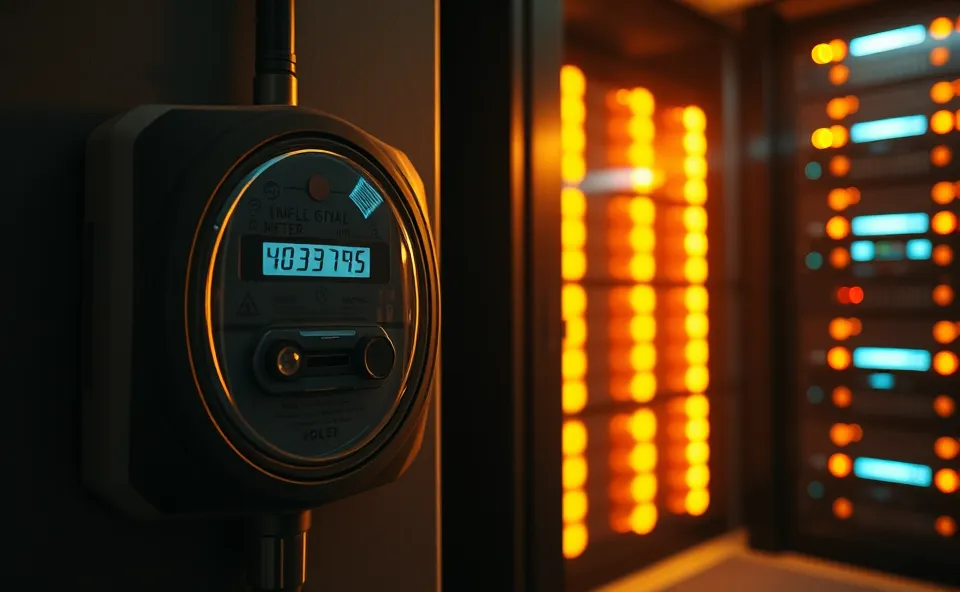
The Unseen Power Hunger of the AI Revolution
We have all seen the headlines about how artificial intelligence is changing the world. It can write essays, code software, and even create art from a simple prompt. It feels like magic, but that magic requires a massive amount of physical muscle. Behind every clever response from a chatbot lies a massive building filled with thousands of humming servers. These are the AI data centers that act as the brain of the modern world.
While the software side of AI feels light and invisible, the physical side is incredibly heavy. These facilities are growing at a staggering rate. To keep up with the demand for faster and smarter models, companies are building massive new complexes across the country. However, there is a catch that many people are only just starting to realize. This rapid expansion of AI infrastructure is putting an unprecedented amount of pressure on the US power grid. As these machines run around the clock, they are consuming vast amounts of electricity, and this massive energy demand is set to change how we all pay for power.
Why Energy is Suddenly the Biggest Story in Tech
If you have been browsing the news lately, you might have noticed a shift in the conversation. For a long time, the tech world was focused on algorithms, software updates, and user interfaces. But recently, the focus has shifted toward something much more grounded: electricity. People are starting to ask how we can possibly power all these new tools without crashing our existing systems.
The reason this is trending now is that the sheer scale of the AI boom has reached a tipping point. We are moving from a world where AI was a niche tool to a world where it is becoming a core part of every business. This transition has turned the conversation from digital innovation to physical limitations. Investors, policymakers, and even regular citizens are realizing that the future of technology is not just about better code, but about having enough juice to run it. The link between cutting edge intelligence and massive energy consumption has become impossible to ignore.
From Simple Storage to Massive Energy Sinks
To understand why this is happening now, we have to look at how technology has evolved. For the last two decades, data centers were primarily used for cloud storage and hosting websites. They were important, but they were relatively predictable. They needed power, but they did not require extreme, constant bursts of energy to perform complex tasks.
The arrival of generative AI changed the math entirely. Training a large language model is a much more intense process than simply storing a photo on a server. It requires thousands of specialized chips to work together in a constant, high heat, high energy state. This shift has transformed data centers from quiet warehouses into massive energy sinks. The way we use the internet has changed, and the power infrastructure was not originally designed for this level of constant, heavy lifting. We are essentially trying to run a high performance racing engine on a road built for bicycles.
The Growing Pressure on Your Wallet and the Grid
This surge in energy demand creates a ripple effect that eventually reaches your front door. When massive AI data centers plug into the power grid, they compete for the same electricity that heats your home and runs your appliances. This creates several significant challenges for our current systems.
First, there is the strain on the power grid itself. Our current electrical networks were built to meet steady, predictable patterns of use. The sudden, massive load from new AI infrastructure can push these systems to their limits, increasing the risk of instability. To prevent this, utility companies have to make massive investments in new power lines, transformers, and substations. These are not cheap upgrades. They involve years of planning and billions of dollars in construction.
Second, and perhaps most importantly for your personal finances, these costs do not just disappear. When utility companies spend billions to upgrade the power infrastructure to accommodate AI data centers, they often pass those costs on to the consumer. This means that even if you never use an AI tool in your daily life, you might still see a rise in your utility bills. Experts suggest that this trend could lead to a significant increase in electricity prices by 2030. As the demand for energy outpaces the speed at which we can build new supply, the cost of staying connected will likely climb.
There are several key areas where this data center impact is being felt:
- Increased Infrastructure Costs: Building new transmission lines to reach remote data centers is incredibly expensive.
- Competition for Resources: Large tech companies have the capital to secure massive amounts of power, which can leave local communities facing higher prices.
- Grid Reliability Issues: Managing a grid that must support both residential needs and massive industrial AI loads is a complex balancing act.
Additionally, there is the challenge of sustainability. Many tech companies have made public promises to reach net zero carbon emissions. However, the massive energy consumption required by AI makes hitting those targets much harder. If the new power being added to the grid is not clean, the growth of AI could slow down our progress in fighting climate change.
Looking Toward 2030 and Beyond
So, where do we go from here? The next few years will likely be a race between the expansion of AI and the evolution of our energy systems. We are not just looking at a power problem, but a massive opportunity for innovation in the energy sector. To meet the rising energy demand without breaking the bank or the planet, several things are likely to happen.
We will likely see tech companies becoming energy companies themselves. Many large players in the AI space are already looking into investing in their own power sources, such as small modular nuclear reactors or large scale solar and wind farms. By generating their own electricity, they can secure their own future while potentially helping to stabilize the grid.
We may also see a push for more efficient AI hardware. If we can design chips that do more work with less power, we can slow down the rate of energy consumption. This would make the entire industry more sustainable and reduce the direct pressure on the power grid. While the road to 2030 looks challenging, the intersection of AI and energy could lead to a new era of smarter, more efficient power management that benefits everyone in the long run.
Common Questions About AI and Energy
How do AI data centers affect electricity costs for regular people?
As AI companies demand more power, utility companies must spend more money to upgrade the power infrastructure. These massive construction and maintenance costs are often recovered by increasing the rates charged to all customers, which can lead to higher utility bills for households.
Why is the power grid struggling with AI infrastructure?
The power grid was designed for steady, predictable usage. The rapid growth of AI infrastructure creates sudden and intense spikes in energy demand that the current grid was not built to handle, requiring significant and costly upgrades to ensure stability.
Will electricity prices continue to rise because of AI?
Many analysts expect electricity prices to rise through 2030. This is because the energy demand from massive computing projects is growing much faster than the rate at which we can build new power plants and transmission lines.
What is the main driver of energy consumption in the tech industry?
The main driver is the shift from simple data storage to intensive AI processing. Training and running large scale AI models require massive amounts of computing power, which in turn requires a constant and heavy supply of electricity for both the chips and the cooling systems.
Can AI growth be balanced with sustainability goals?
Balancing AI growth with sustainability is a major challenge. While AI can help optimize energy use, the industry must also move toward using renewable energy sources and developing more power efficient hardware to ensure that the rise of AI does not derail global climate goals.











