

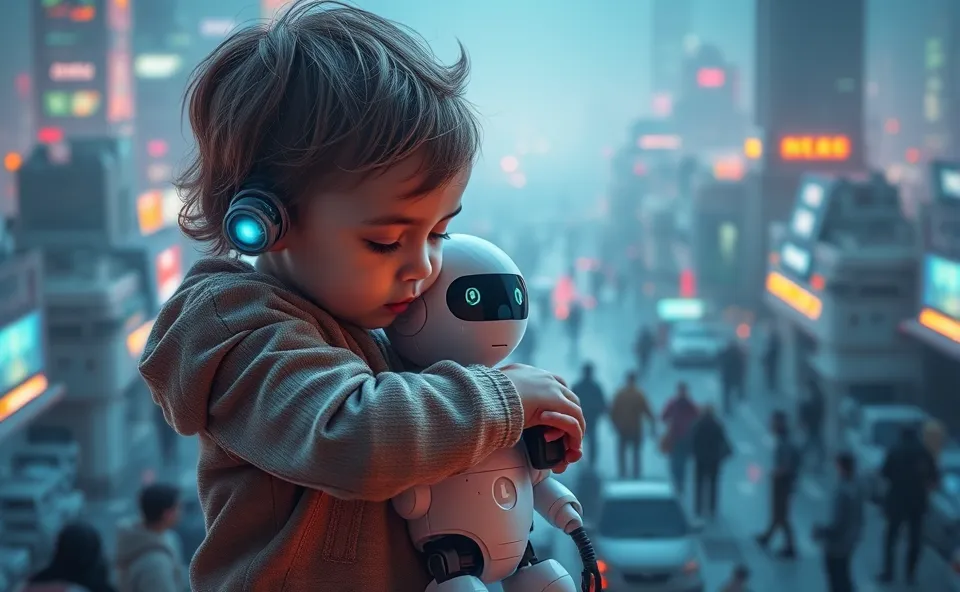
The world of children’s play is getting a serious upgrade, and it’s powered by artificial intelligence. We’re talking about AI kids toys, smart toys that can learn, interact, and even teach. But as these clever gadgets flood the market, a new conversation is bubbling up, a mix of excitement and concern about this rapidly evolving toy tech disruption. It’s like a digital Wild West out there, with questions about safety, privacy, and what all this means for our kids.
When Toys Start Thinking for Themselves
So, what’s the big deal with AI kids toys? Imagine a teddy bear that can tell you a bedtime story, adapting it based on your child’s mood. Or a building block set that guides your child through complex science experiments. These aren’t just remote controlled gadgets; they are connected toys that use AI to understand voice commands, recognize faces, and learn from interactions. They can adapt to a child’s learning pace, offering personalized educational experiences. It’s a leap from the simple talking dolls of the past to truly interactive toys that feel like companions. This evolution is pushing the boundaries of what we expect from playtime, making it more engaging and, in some ways, more complex.
Why All the Buzz About Smart Toys Now?
The reason AI kids toys are suddenly everywhere in the news and online discussions is multifaceted. Part of it is the sheer pace of AI advancement. What was science fiction a few years ago is now a reality in a child’s playroom. Companies are investing heavily, seeing a massive opportunity in this burgeoning market of children’s smart devices. But alongside this innovation, the inherent risks are becoming clearer. Concerns about AI toy privacy, child safety AI toys, and the ethical implications of machines interacting with young minds are growing louder. It’s a natural reaction when something so personal and influential as our children’s development is touched by such powerful, rapidly developing technology. Parents, educators, and policymakers are all trying to catch up and understand the full scope of this toy industry innovation.
A Peek Back: From Furby to Futuristic Friends
To understand where we are, it helps to remember where we came from. Remember Furby? That fuzzy electronic creature that learned to speak and had a mind of its own? That was an early glimpse into the potential of interactive toys. For decades, toys have been getting smarter, incorporating electronics, sounds, and basic programming. We’ve seen connected toys that link to apps, allowing for more complex gameplay and updates. But AI takes this to a whole new level. It’s not just pre-programmed responses; it’s about learning, adapting, and creating a more dynamic interaction. Think of the difference between a prerecorded message and a conversation. AI kids toys aim for the latter, blurring the lines between toy and tutor, or toy and friend. This historical progression highlights how the demand for more engaging and responsive playthings has steadily driven the evolution of toy tech.
The Big Picture: What AI Kids Toys Mean for Everyone
The impact of AI kids toys is far reaching. For children, these smart toys offer unprecedented opportunities for learning and development. They can foster creativity, problem solving, and even social emotional skills through personalized interactions. AI in education is a huge area where these toys could shine, offering tailored learning experiences that traditional methods might struggle to provide. However, for parents, it raises significant questions. AI toy privacy is a major concern. What data are these toys collecting about our children? How is it being stored and used? Child safety AI toys are paramount, ensuring that these devices are secure and don’t expose children to inappropriate content or interactions. Businesses in the toy industry are facing a massive disruption. They need to innovate rapidly to stay competitive, but also grapple with the ethical responsibilities that come with developing AI for such a vulnerable demographic. The market for children’s smart devices is set to explode, but the responsible development and deployment of these technologies will be key to their long term success and acceptance.
Looking Ahead: Navigating the Future of Play
The future of AI kids toys is likely to involve a delicate balancing act. We’ll probably see continued innovation, with toys becoming even more sophisticated, intuitive, and integrated into our daily lives. Imagine toys that can help children learn new languages by having full conversations or assist in developing complex motor skills through interactive games. The potential for AI in education is vast, potentially revolutionizing how young children are introduced to subjects like coding, mathematics, and science. However, this future also necessitates robust frameworks for AI toy regulation. As the technology becomes more powerful, so too does the need for clear guidelines on data privacy, security, and ethical AI for kids. We can anticipate more public discourse, increased demand for transparency from manufacturers, and potentially new standards and certifications for these devices. The goal will be to harness the incredible benefits of these smart toys while mitigating the risks, ensuring that they remain tools for positive development and joy, not sources of concern.
Frequently Asked Questions About AI Kids Toys
What are the main benefits of AI kids toys?
AI kids toys, or smart toys, can offer personalized learning experiences, adapt to a child’s developmental pace, encourage creativity, and foster problem solving skills through interactive play. They can make learning more engaging and fun.
What are the privacy concerns with AI toy privacy?
Concerns around AI toy privacy often involve the collection of personal data, such as voice recordings or usage patterns, from children. Questions arise about how this data is stored, protected, and potentially used by manufacturers or third parties.
How is child safety AI toys being addressed?
Addressing child safety AI toys involves manufacturers implementing robust security measures to prevent unauthorized access, ensuring content filters are effective, and designing AI systems that promote positive and age appropriate interactions. Regulatory bodies are also exploring guidelines to enhance child safety AI toys.
What is the difference between connected toys and AI toys regulation?
Connected toys typically use the internet to interact with apps or receive updates. AI kids toys go a step further by incorporating artificial intelligence to learn, adapt, and engage in more sophisticated, human like interactions, which brings new considerations for AI toys regulation.
How can ethical AI for kids guide the development of smart toys?
Ethical AI for kids emphasizes designing AI systems that are fair, transparent, safe, and respectful of children’s rights and development. It means prioritizing child well being in every stage of development and deployment of interactive toys and children’s smart devices.











