

A new digital toolkit for the modern worker
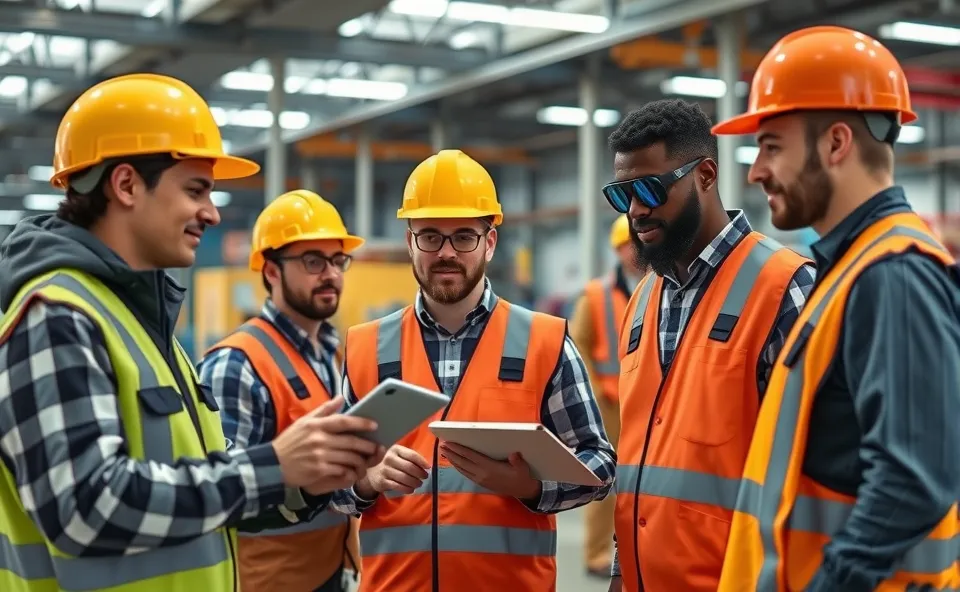
If you walk onto a construction site or into a large building maintenance hub today, you might see something different than you would have ten years ago. You might see a technician holding a tablet or wearing smart glasses, but it is not just for checking emails. They are using sophisticated tools powered by Artificial Intelligence to solve problems that used to take hours of trial and error. We are seeing a massive shift in how companies approach the physical world. Instead of just buying more hammers and wrenches, businesses are making a serious technology investment in software that can think and predict.
This shift is not about replacing the people who do the hard, physical work. It is actually about giving trade workers a massive upgrade to their existing skills. When we talk about AI and skilled trades, we are talking about a partnership. Imagine a plumber who can use an app to scan a wall and see a digital map of the pipes behind it, or an electrician who receives a notification that a circuit is likely to fail before it actually breaks. This is the reality that is starting to take shape across the industry.
The conversation has moved from whether this technology works to how fast it can be rolled out. Companies are realizing that the old ways of working are no longer enough to keep up with the complexity of modern buildings and infrastructure. By bringing high level intelligence into the field, they are creating a new kind of professional: the tech enabled tradesperson. This is not just a minor change, it is a fundamental rewrite of what it means to work in the trades.
Why the sudden rush toward intelligence
You might wonder why this is suddenly such a huge topic of conversation. Why now? The answer is quite simple: the industry is facing a massive labor shortage. For years, there has been a gap between the number of people leaving the workforce and the number of new workers coming in to replace them. This has created a high pressure environment where there is simply too much work and not enough hands to do it.
When you have a shortage of workers, every minute counts. Companies cannot afford to have their best people spending hours searching for a manual or driving back and forth to a warehouse because they forgot a part. They need to maximize efficiency. This is where Artificial Intelligence steps in. It acts as a force multiplier. It allows a single worker to do more, learn faster, and make fewer mistakes. It is a way to squeeze more value out of the talent that is currently available.
There is also the issue of complexity. The systems that keep our world running, from smart HVAC units to complex electrical grids, are becoming much more difficult to manage. A standard toolkit is no longer sufficient to maintain a modern skyscraper or a high tech factory. Because the problems are getting smarter, the tools have to get smarter too. This combination of a shrinking workforce and increasing job complexity is the engine driving the current trend.
The journey from manual labor to smart systems
To understand where we are going, we have to look at where we started. For a long time, the trades were defined by intuition and experience. You learned how a boiler worked by listening to it, feeling the vibration, and watching an expert do it for years. This hands on learning is still the backbone of the industry, but the scale of the modern world has changed the math. We have moved from small, isolated mechanical systems to massive, interconnected networks.
In the past, maintenance was mostly reactive. Something would break, and then someone would be called to fix it. This led to a lot of downtime and a lot of wasted money. Later, the industry moved toward scheduled maintenance, where you would check things every few months regardless of whether they needed it. While this was better, it was still not perfect. It was often either too late or too early, leading to unnecessary costs and unexpected failures.
As we began to integrate more digital tools, we started to collect data. We could see how much energy a building used or how often a pump ran. But until recently, that data just sat there in spreadsheets. We had the information, but we did not have the ability to make sense of it in real time. The arrival of modern Artificial Intelligence has changed that. We finally have the brainpower to match the data we have been collecting for decades.
How this technology changes the daily grind
The real magic happens in the practical application of these tools. The impact is being felt across several different areas of the industry, from the way we manage buildings to the way we train the next generation.
One of the biggest winners is facilities management. In large commercial buildings, keeping everything running smoothly is a constant battle. With AI, maintenance becomes predictive rather than reactive. Instead of waiting for an air conditioning unit to die in the middle of a heatwave, the system can detect tiny changes in power consumption or vibration that suggest a failure is coming. This allows managers to schedule a repair during off hours, preventing a crisis before it ever happens.
Workplace automation is also playing a huge role. This does not mean robots doing the actual repairs, but rather automating the “brain work” that often slows workers down. This includes things like:
- Automated scheduling that optimizes travel routes for technicians.
- Smart inventory management that predicts when parts will run out.
- Instant access to technical documentation through voice commands.
- Digital checklists that ensure every safety protocol is followed perfectly.
Furthermore, workforce development is getting a massive boost. One of the hardest parts of the trades is the long apprenticeship period. It takes a long time for a novice to become an expert. AI can act as a digital mentor. New workers can use augmented reality tools that overlay instructions directly onto the machine they are working on. This speeds up the learning curve and gives younger workers the confidence to handle complex tasks much earlier in their careers.
A glimpse into the future of the trades
Looking ahead, we can expect the line between “digital” and “physical” work to blur even further. We are not looking at a future where humans are sidelined, but rather one where they are more capable than ever. We will likely see the rise of wearable technology that is much more integrated into the job. Imagine a hard hat that can identify hazardous gases instantly or gloves that can sense electrical currents through a surface.
We will also see a deeper integration between different trades. In a smart building, the electrical, plumbing, and HVAC systems will all talk to one another through a central AI. This means a technician working on a heating issue might receive data about an electrical fluctuation that is actually the root cause. This holistic view will make repairs faster and more accurate.
While there will always be a need for human judgment and physical dexterity, the era of the “unplugged” tradesperson is ending. The most successful workers and the most profitable companies will be those who embrace these new tools. The goal is to create a more stable, efficient, and high paying industry that can meet the demands of a growing world.
Common questions about AI and the trades
How does AI help with the labor shortage in skilled trades?
Artificial Intelligence helps bridge the gap by increasing the efficiency of current workers. It automates tedious tasks like paperwork and scheduling, and it provides instant technical support, allowing fewer people to manage more complex systems effectively.
Can artificial intelligence replace trade workers?
No, AI is designed to be a tool for trade workers, not a replacement. While it can handle data analysis and certain repetitive tasks, it cannot replicate the human dexterity, problem solving, and physical adaptability required for hands on repairs and construction.
What is the role of technology investment in facilities management?
A technology investment in facilities management allows for predictive maintenance. By using sensors and intelligent software, managers can identify potential equipment failures before they happen, saving money and reducing downtime.
How does workplace automation improve efficiency for plumbers and electricians?
Workplace automation improves efficiency by handling the logistical side of the job. This includes smarter routing for service calls, better management of tools and parts, and providing instant access to digital blueprints and manuals via mobile devices.
Why is workforce development important for the future of AI and skilled trades?
As technology becomes more complex, workforce development is essential to ensure workers know how to use these new tools. Training programs that include Artificial Intelligence and digital literacy will help prepare the next generation for a more high tech and high paying career path.











