

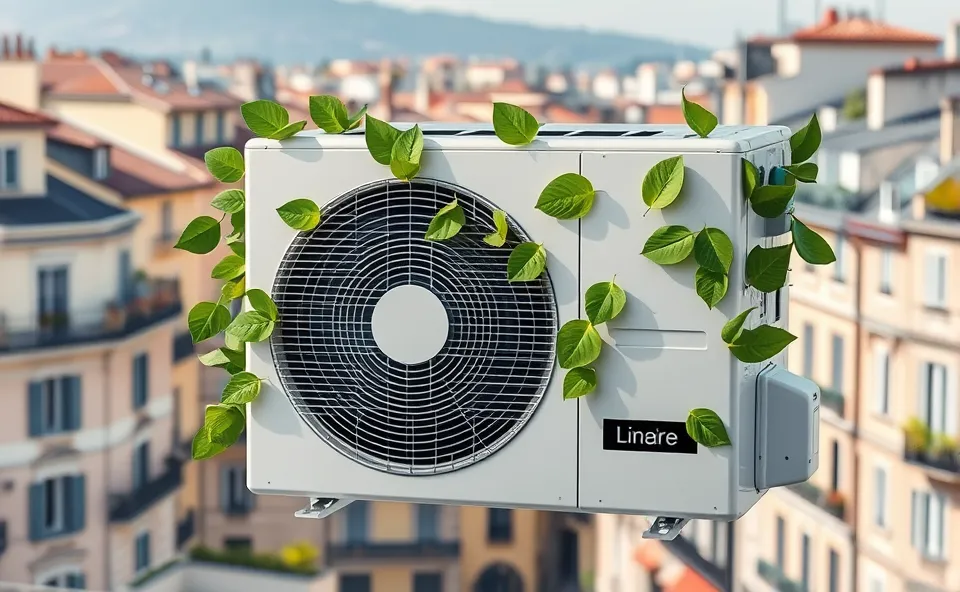
Europe is finally facing the heat
For a long time, summer in Europe felt like a gift. People looked forward to warm breezes and long, golden evenings. But in the last few years, the vibe has changed. We are seeing extreme heatwaves that push temperatures into record territory. These are not just hot days that pass by quickly. They are intense periods of heat that make living, working, and sleeping difficult for millions of people. It is a new reality that caught many off guard.
The infrastructure of most European cities was built for a different climate. Thick stone walls and small windows were designed to keep heat out in moderation, but they were never meant to handle weeks of soaring temperatures. As the mercury rises, the old ways of coping just are not working anymore. This has sparked a massive, urgent conversation about how we stay cool when the outside world feels like an oven.
Why everyone is suddenly looking for a chill
You might notice more people talking about buying air conditioning or asking about home cooling lately. This is not a coincidence. When a heatwave hits, the search for comfort becomes a top priority. As climate change makes these heat events more frequent and more severe, people have stopped viewing cooling as a luxury and started viewing it as a necessity.
There is also a cultural shift happening. In the past, many Europeans considered air conditioning to be something you only found in hotels or offices while on vacation. Today, the comfort of a home office or a bedroom that stays at a steady temperature is becoming a standard expectation. People are tired of suffering through sleepless nights. This growing demand is moving fast, and it is putting pressure on the market to provide solutions that actually work.
The history of keeping cool in Europe
To understand why this is such a big deal, we have to look at the past. Historically, Europe relied on natural ventilation. If you wanted to cool down, you opened the windows at night and closed the shutters during the day to block out the sun. This passive approach worked perfectly fine when temperatures were mild. Cities like Paris, London, and Berlin simply did not need heavy machinery to stay comfortable.
Because of this history, HVAC technology was not a central part of residential construction. In countries like the United States, air conditioning was built into the home from the start. In Europe, retrofitting a historic apartment building with ductwork and cooling systems is a technical nightmare. This is why you see so many portable units in European shops. They are the quick fix for a region that is playing catch-up with its own environmental changes.
What this means for the future of our homes
The impact of this shift is massive. As the demand for air conditioning grows, we face a major challenge. If everyone just buys a standard, energy hungry unit, we could trigger a massive spike in power consumption. This would put a huge strain on the electrical grid and could actually make the climate problem worse. Nobody wants a solution that adds to the very issue causing the heat in the first place.
This is where innovation comes in. We are seeing a race to create sustainable cooling technology that is efficient and smart. Modern cooling is not just about blowing cold air. It is about:
- Smart sensors that adjust the temperature based on room occupancy.
- Geothermal cooling systems that use the stable temperature of the ground.
- Advanced heat pumps that can provide both heating in winter and cooling in summer.
- Better insulation materials that prevent heat from entering the home in the first place.
Businesses are taking note, too. Offices are being redesigned with better airflow and green roofs to naturally lower temperatures. Architects are now prioritizing cooling as much as they prioritize structural integrity. The market is shifting toward eco-friendly options because consumers are demanding technology that does not cost the Earth, both in terms of energy bills and environmental impact.
Where do we go from here
The future of keeping cool in Europe will likely be a mix of old wisdom and new science. We will not be able to simply plug in our way out of this problem. Instead, the next few years will see a focus on energy efficiency. Buildings will become smarter. We will see more focus on cooling systems that use less electricity and rely on renewable energy sources.
We are likely to see a decline in low efficiency portable units in favor of integrated cooling solutions that are built into the fabric of the building. Governments will probably introduce stricter regulations on how much energy these machines consume. This will push manufacturers to get even more creative with cooling solutions. The goal is clear. We want to live in comfort without sacrificing our commitment to a healthier planet. It is a delicate balance, but it is one that tech developers and engineers are working on right now.
Common questions about the cooling shift
Why is there such a high demand for air conditioning in Europe right now?
The demand is rising because climate change is causing more frequent and intense heatwaves. Many older buildings are not designed to keep heat out, making modern cooling systems an essential tool for maintaining health and comfort during summer months.
What does sustainable cooling technology look like?
Sustainable cooling focuses on energy efficiency and low environmental impact. This includes high tech heat pumps, systems that use natural refrigerants, and smart controls that reduce power usage by only cooling occupied spaces.
Is it possible to cool homes without using traditional air conditioning?
Yes. Many people are using passive methods like external shutters, reflective window films, and green roofs. These eco-friendly methods can significantly lower indoor temperatures without the high energy cost associated with standard HVAC technology.
How does climate change influence the way we design buildings in Europe?
Climate change is forcing architects to rethink construction. New buildings now prioritize better insulation and natural ventilation, while renovation projects are increasingly looking for ways to integrate efficient cooling solutions into historic structures.
What is the biggest challenge for the cooling industry in Europe?
The biggest challenge is balancing the need for immediate comfort with the long term goal of energy efficiency. Creating cooling solutions that are affordable, easy to install in older buildings, and gentle on the electrical grid is the primary hurdle for the industry.











