

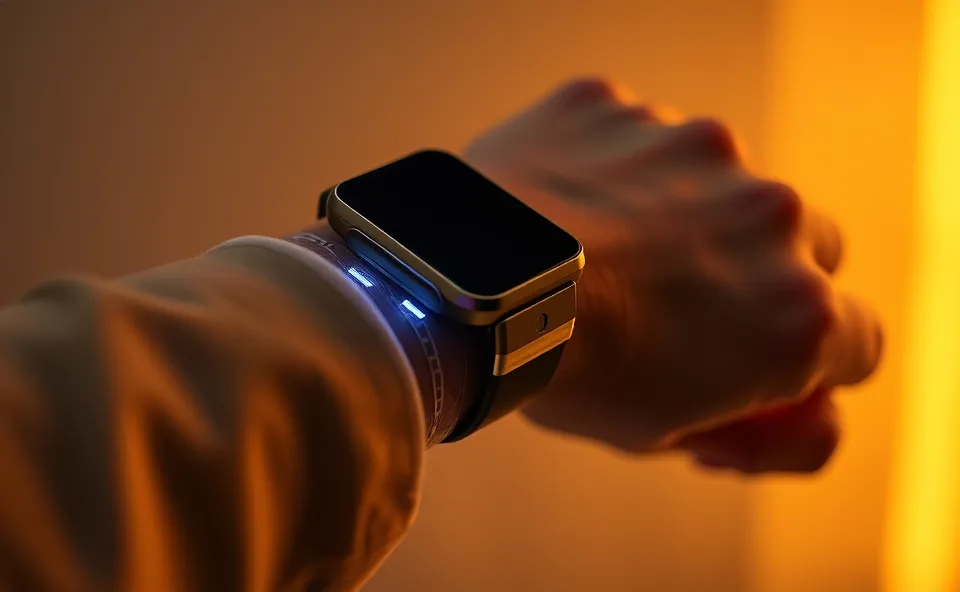
Meet the Amazon Bee: What’s Buzzing in AI Wearables?
So, you’ve probably heard the buzz about the Amazon Bee wearable, right? It’s Amazon’s latest foray into the world of smart tech, and it’s got a lot of people talking. Essentially, imagine a tiny, discreet device designed to sit with you throughout your day, listening and learning. It’s built around the idea of an AI wearable that’s always ready to lend a hand, or rather, an ear. This isn’t your typical smartwatch or fitness tracker; the Amazon Bee aims to be a proactive personal assistant, seamlessly integrated into your life. It’s a bold move from Amazon, pushing the boundaries of what we expect from consumer electronics and wearable AI devices.
Why is Everyone Talking About the Amazon Bee Now?
The sudden surge in interest around the Amazon Bee wearable isn’t out of the blue. It’s primarily driven by the growing excitement and anticipation for this new wave of AI wearable technology. As artificial intelligence becomes more sophisticated, companies like Amazon are exploring how to bring its power out of our phones and computers and directly onto our bodies. People are curious about what this wearable AI device can do, how it will change our daily routines, and whether it truly represents the next big leap in personal tech. The potential for a truly intuitive and helpful personal assistant that’s always accessible is a massive draw, making the Amazon Bee a hot topic in tech circles and among early adopters eager for the next innovation.
A Little Background: Amazon’s Journey in Smart Tech
To really understand the Amazon Bee, it helps to look at where Amazon has been. Amazon isn’t new to the smart tech game, not by a long shot. Think about Alexa, which has become a household name, powering smart speakers and a whole ecosystem of connected devices. They’ve continuously invested in AI and machine learning, using it to personalize recommendations, improve their logistics, and, of course, power their voice assistants. This deep expertise in AI development and a proven track record with the Echo line of products set the stage for something like the Amazon Bee. It’s a natural evolution, taking their AI prowess and compacting it into a wearable form factor, aiming for an even more intimate and responsive user experience than a stationary smart speaker could offer.
What Does the Amazon Bee Mean for You and the Future?
The Amazon Bee wearable promises a lot for its users, primarily centered around its advanced AI capabilities. Imagine a device that can genuinely anticipate your needs. It’s designed to understand your context and provide assistance without you having to ask directly. This could mean anything from offering relevant information before you even think to search for it, to managing your schedule more intelligently, or even providing subtle nudges to help you stay on track with personal goals. For businesses and the broader technology market, this represents another step towards hyper-personalization and ambient computing. The success of the Amazon Bee could accelerate the development of more sophisticated wearable AI devices, pushing competitors to innovate and leading to a future where our personal devices are far more integrated and intuitive. It’s about moving beyond reactive commands to proactive support, a significant shift in how we interact with our technology.
However, with all this innovation comes a crucial conversation about data. The Amazon Bee, like many advanced AI wearable devices, relies heavily on collecting biometric data and understanding your personal habits. This raises significant privacy concerns. How is this sensitive information stored? Who has access to it? What are the safeguards against misuse or data security breaches? Amazon, like any major tech company handling such data, faces the challenge of building and maintaining user trust. Transparency about data collection and robust security measures will be absolutely paramount. The impact here is twofold: users get potentially powerful new tools, but they also need to be confident that their personal information is protected. This balance between innovation and data security is the defining challenge for the Amazon Bee and the entire smart tech industry moving forward.
Looking Ahead: What’s Next for the Amazon Bee?
The future of the Amazon Bee wearable, and indeed many AI wearable devices, hinges on a few key factors. Firstly, its real-world utility will be tested. Can it consistently deliver on its promise of proactive assistance in a way that feels helpful and not intrusive? The accuracy and context awareness of its AI will be critical. Secondly, consumer adoption will depend heavily on how well Amazon addresses the privacy concerns. Clear communication about data usage, strong data security features, and user control over their information will be essential for building trust. If the Amazon Bee can strike the right balance between cutting-edge AI functionality and user privacy, it could indeed pave the way for a new generation of deeply personal and helpful wearable technology. We might see more specialized AI wearable devices emerge, each catering to specific needs, but the Amazon Bee is certainly aiming for a broad appeal as a next-generation personal assistant.
Frequently Asked Questions About the Amazon Bee
- What is the main function of the Amazon Bee wearable?
- How does the Amazon Bee wearable use AI?
- What are the primary privacy concerns associated with the Amazon Bee wearable?
- Could the Amazon Bee wearable replace other smart tech devices?
- What makes the Amazon Bee different from other smartwatches or fitness trackers?
The Amazon Bee wearable is designed to act as a proactive personal assistant, leveraging AI to understand user context and offer assistance throughout the day, moving beyond simple voice commands.
The Amazon Bee wearable uses advanced AI and machine learning to learn user patterns, anticipate needs, and provide relevant information or support without explicit prompts, making it a sophisticated AI wearable device.
The main privacy concerns revolve around the collection and security of the biometric data and personal information that the Amazon Bee wearable gathers to function effectively, raising questions about data security and consumer trust.
While it offers advanced personal assistant features, it’s unlikely to completely replace all other smart tech devices, but it aims to be a highly integrated and intelligent companion to your existing digital life and other Amazon innovation products.
Unlike many smartwatches or fitness trackers that focus on health metrics or app notifications, the Amazon Bee emphasizes proactive AI assistance and contextual awareness as its core function, setting it apart as a unique wearable AI device.











