

Amazon’s Big Move to Beam Internet Directly to Your Phone
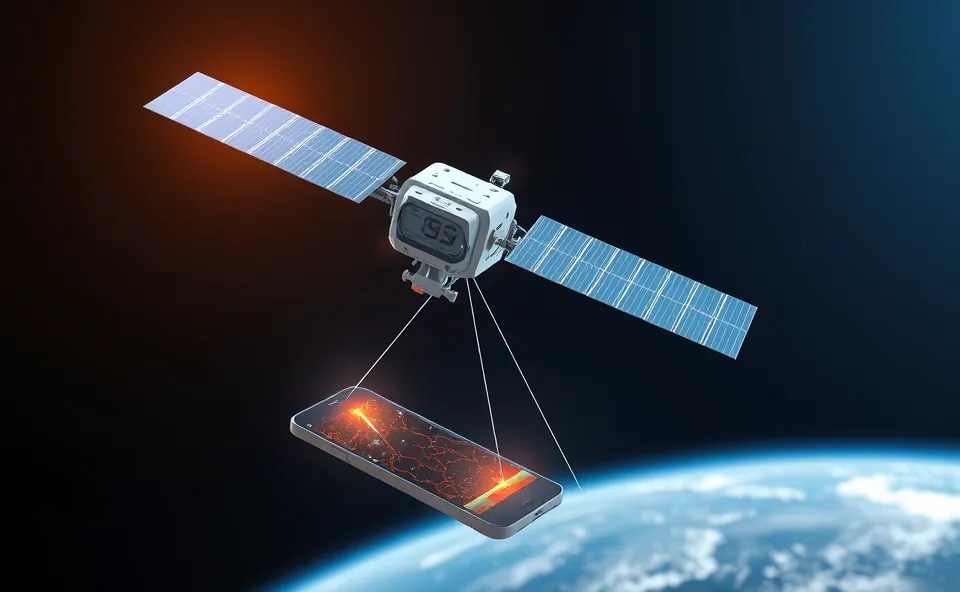
So, Amazon has been quietly working on something pretty huge in the world of space technology. They’ve recently filed an FCC application to launch a massive constellation of 5,105 satellites. But this isn’t just about getting internet to remote places like some satellite services do. The really exciting part? Amazon’s aiming to beam that internet connection straight to your regular, everyday smartphone. Think about it no more relying solely on cell towers. This new Amazon satellite network could fundamentally change how we stay connected.
Why is Everyone Talking About This Now?
The buzz around Amazon’s satellite ambitions has really picked up steam because of this FCC application. It’s a clear, official step that signals Amazon is serious about bringing its Project Kuiper vision to life. This move puts them directly in the ring with other big players, most notably Elon Musk’s Starlink. The potential for direct-to-device satellite communication is a game changer, and people are understandably curious about how Amazon plans to pull it off and what it means for the future of mobile network operators and wireless communication.
A Little Backstory on the Space Race for Connectivity
For a while now, the idea of using satellites to provide internet access has been gaining traction. Companies have launched satellites into Low Earth Orbit, or Leo satellites, to offer broadband services. Project Kuiper has been Amazon’s name for its own ambitious satellite internet project, aiming to offer high-speed, low-latency internet. We’ve seen competitors like Starlink make significant strides, demonstrating that satellite internet can indeed be a viable option for many. Amazon’s move with this large satellite constellation is a direct response to this evolving landscape and a desire to capture a significant piece of the global connectivity market. It’s a continuation of a quiet space race, not for exploration, but for connection.
What This Means for How We Connect
Imagine a world where your phone has a signal almost anywhere. That’s the promise of Amazon’s direct-to-device satellite approach. For users, this could mean saying goodbye to dropped calls in rural areas or during hiking trips. It could open up communication possibilities for folks in underserved regions where building traditional cellular infrastructure is just too difficult or expensive. For businesses, especially those operating in remote locations, this means improved communication and operational efficiency. Technologically, it pushes the boundaries of what’s possible with wireless communication, requiring sophisticated antenna technology in both the satellites and the user devices. This Amazon satellite network is poised to disrupt the traditional mobile network operators and create a more comprehensive global connectivity solution. It’s not just about another way to get online; it’s about making sure everyone, everywhere, can be online. This advancement in space technology could truly level the playing field for communication access worldwide.
What Could Be Next on the Horizon?
With the FCC application submitted, the next steps for Amazon will involve getting regulatory approvals and then moving into the actual deployment phase of their satellite constellation. We can expect to see more announcements about their technical partnerships and the specifics of how their direct-to-device satellite technology will work. If successful, this could pave the way for a future where your phone seamlessly switches between cellular and satellite networks, ensuring you’re always connected. It’s also likely to spur further innovation from competitors, as the race to provide the most robust and accessible global connectivity heats up. The goal is a truly ubiquitous internet experience, and Amazon’s satellite network is a major play to achieve that. We might also see increased collaboration between satellite internet providers and traditional mobile carriers, creating hybrid solutions.
Got Questions About Amazon’s Satellite Ambitions?
What is Amazon’s new satellite network plan?
Amazon has filed an FCC application for a new satellite constellation consisting of 5,105 satellites. The main goal of this Amazon satellite network is to provide direct-to-device satellite connectivity, allowing regular smartphones to connect to the internet via these satellites.
How will Amazon’s direct-to-device satellite service work?
The plan is for these satellites to beam internet signals directly to compatible smartphones. This means your phone won’t need special hardware beyond what’s common in current models, and it won’t rely on traditional cell towers for a signal. It’s a big step for direct-to-device satellite communication.
Is this Amazon satellite network a competitor to Starlink?
Yes, absolutely. By aiming to provide widespread internet access, including direct-to-device capabilities, Amazon’s Project Kuiper is positioning itself as a significant Starlink competitor in the satellite internet market.
What is Project Kuiper and its relation to the FCC application?
Project Kuiper is the name of Amazon’s initiative to build a constellation of Leo satellites for broadband internet. The recent FCC application is a crucial regulatory step that demonstrates Amazon’s commitment to bringing Project Kuiper, and its proposed Amazon satellite network, to reality.
What kind of impact could this have on global connectivity?
This Amazon satellite network has the potential to significantly improve global connectivity, especially in rural and underserved areas. By offering direct-to-device satellite service, it could bring reliable wireless communication to billions of people who currently lack consistent access, bridging digital divides and opening up new opportunities.











