

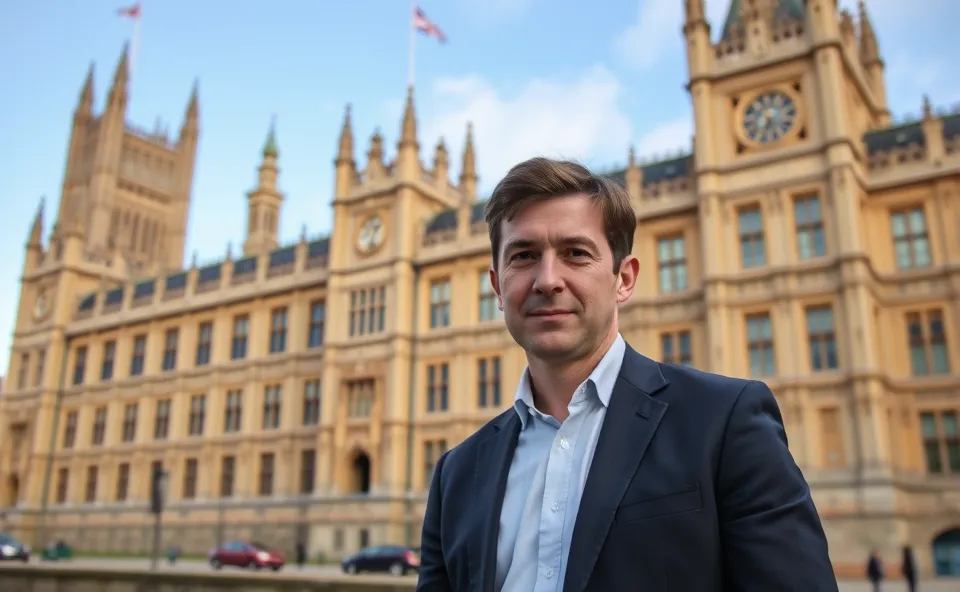
Why everyone is talking about the Manchester mayor
If you have been keeping an eye on the news lately, you might have noticed a recurring name popping up in conversations about the future of the Labour party. Andy Burnham, the current Mayor of Greater Manchester, is increasingly seen as a potential future leader and a candidate for UK Prime Minister. While he currently holds a prominent regional role, the chatter surrounding his national ambitions is reaching a fever pitch.
In simple terms, the conversation is shifting because people are looking for a clear direction. While the current political landscape is filled with debate, many voters feel like they are missing a concrete vision for where the country is headed. Burnham has built a reputation as a pragmatic problem solver who focuses on regional growth, public transport, and local empowerment. This has made him a compelling figure for those who feel that Westminster has become too detached from the realities of life in northern England and beyond.
The shift toward a new political narrative
The reason for the sudden surge in interest regarding Andy Burnham as a future UK Prime Minister comes down to a desire for authenticity. Many voters are tired of the same old scripted answers. When people look at Burnham, they see someone who has spent years fighting for his region’s needs against the central government in London.
This interest is amplified by a broader frustration with the current state of UK politics. There is a widespread feeling that the major parties are struggling to connect with the average person. As the British economy faces ongoing hurdles like high inflation, housing shortages, and stagnating productivity, voters are hungry for leadership that feels grounded. Burnham’s brand of politics is rooted in local results rather than abstract theories, which makes him stand out in a crowded field of career politicians.
From the grassroots to the national stage
To understand why this matters now, we have to look at how we got here. Andy Burnham served as a cabinet minister under previous Labour governments, so he is no stranger to the inner workings of the party or the pressures of national office. However, his decision to leave Westminster to become the Mayor of Greater Manchester was a major turning point. That move allowed him to pivot away from the typical London-centric political bubble.
During his time as Mayor, he successfully campaigned for better funding for public transport and pushed for more autonomy for local councils. He gained national attention for his vocal defense of northern interests during public health crises and economic downturns. This background as a hands-on leader gives him a different kind of authority. It is a story of a politician who went away, learned how to deliver services for millions of people, and returned with a blueprint for how the rest of the country could work more efficiently.
What this means for the British economy
For businesses and investors, the possibility of a shift toward a leadership style like Burnham’s is significant. Markets thrive on certainty, and the current political scene is often defined by a lack of policy clarity. If a leader like Burnham were to pursue a path toward Downing Street, it would likely signal a move toward more regional decentralization.
For the average person and business owner, the implications are twofold:
- Regional Investment: A greater focus on moving resources away from London could mean more opportunities for hubs in the north and the Midlands, which is a major point of interest for infrastructure companies.
- Policy Stability: Business leaders are constantly scanning the horizon for signs of future regulation. A focus on practical, deliverable policy instead of ideological grandstanding would be a welcome change for those planning long-term investments.
- Labor Relations: Given his history of working closely with unions and local authorities, we would likely see a government that prioritizes industrial strategy and workforce development.
However, the lack of a fully defined national policy agenda remains a hurdle. While his regional record is strong, translating that into a plan for the entire British economy is a massive challenge. Investors will need to see exactly how he intends to balance national debt, taxation, and public spending before they can fully get behind any hypothetical vision.
The road ahead for political leadership
Looking at the next few years, the path to the top is rarely a straight line. The upcoming elections will likely set the stage for how the Labour party views its future leadership. If the party continues to perform well in the regions, the pressure to adopt more of the Burnham model will grow.
However, moving from a regional office to Number 10 is a tall order. He will have to convince voters in the south and across the Home Counties that his northern-focused experience is relevant to their lives. The political leadership of the country requires balancing the needs of vastly different communities, and he will need to broaden his message significantly.
We should expect to see more policy announcements from him that touch on national issues like energy security, the green transition, and international trade. If he can bridge the gap between his successful regional policies and a coherent national strategy, he becomes a very serious contender for the highest office in the land.
Common questions about the future of UK leadership
Is Andy Burnham currently running for UK Prime Minister?
No, he is not officially running for the position. He is currently serving his term as the Mayor of Greater Manchester, focusing on his regional responsibilities, though many analysts see his actions as building a platform for a future national role.
Why does the UK politics scene focus so much on the policy agenda?
Policy agendas are the blueprints for how a government will manage the country. In the current climate, businesses and citizens are concerned because there is a lack of clarity regarding how the government intends to fix the British economy, which makes long-term planning difficult.
How does Andy Burnham differentiate himself from other Labour party figures?
His primary differentiator is his experience in local government. While many senior politicians have spent their careers in Westminster, he has spent his recent years managing a complex regional economy, which gives him a reputation for being more pragmatic and connected to real-world problems.
What impact would a change in political leadership have on the British economy?
Any change in leadership at Downing Street usually leads to shifts in tax policy, public spending priorities, and trade regulations. Businesses closely watch these changes to determine whether to expand, hire more staff, or hold off on major investments until the direction becomes clearer.
What is the biggest challenge for any candidate looking at upcoming elections?
The biggest challenge is balancing the need for change with the reality of limited government budgets. Voters want improved public services and a stronger economy, but the government has to figure out how to fund these things without stifling growth or causing inflation.











