

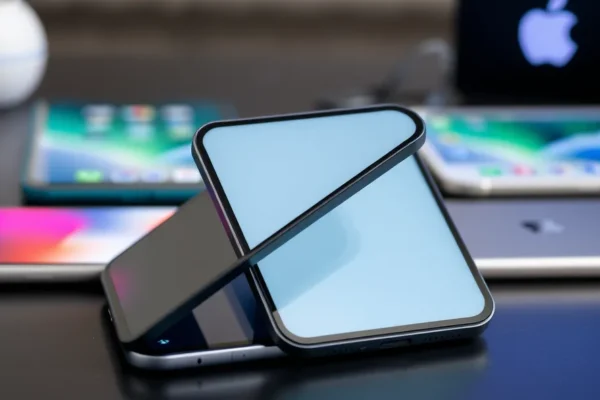
Apple’s Foldable iPhone: A Look at the Technology and its Industry Impact
The Innovation: A New Dimension for the Smartphone
For years, the smartphone has been a rectangular slab, a familiar form factor that has remained largely unchanged. However, the world of mobile devices is on the cusp of a significant shift with the anticipated arrival of the foldable iPhone. This isn’t just about a new gadget; it represents Apple’s entry into a burgeoning category of foldable technology, a move that could redefine how we interact with our most personal devices. While tech rumors have swirled for years, industry watchers are increasingly confident that Apple is preparing to introduce its own foldable smartphone, potentially sometime in the next few years, possibly around the iPhone 18 timeframe.
Foldable phones aim to solve a fundamental user desire: to have a larger screen for immersive experiences like watching videos or multitasking, without sacrificing pocketability. They offer the convenience of a compact device when closed and the expansive real estate of a small tablet when opened. This innovation is significant now as foldable technology, pioneered by companies like Samsung, has moved beyond the experimental phase and is gaining traction with consumers and developers alike. Apple, known for its meticulous approach to product development, is likely observing these trends and perfecting its own strategy to enter this space.
How It Works: Bending the Rules of Display Technology
At its core, the magic of a foldable smartphone lies in its flexible display. Unlike the rigid glass screens we’re accustomed to, these displays are made from advanced plastics, often polyimide, which can be bent and folded repeatedly without cracking or breaking. Imagine a piece of high-tech plastic film, thinner than a human hair, layered with sophisticated electronics that allow it to light up and display images. This flexible panel is then integrated into a hinge mechanism.
The hinge is another crucial innovation. It’s engineered to be robust, allowing the device to fold smoothly and securely, whether in half, like a book, or in a different configuration. Think of it like a highly sophisticated, miniaturized version of the hinge on a compact mirror, but designed for hundreds of thousands of folds. This combination of a flexible screen and a durable hinge is what enables the transformation from a standard smartphone size to a larger, tablet-like display.
Current State and Real-World Applications
Foldable technology is no longer a distant dream; it’s already here. Samsung has been a dominant force in this market, with its Galaxy Fold and Galaxy Z Flip series leading the charge. These devices are currently in their fourth and fifth generations, respectively, indicating a maturing technology. Real-world applications are diverse. Professionals use them for enhanced multitasking, allowing them to run multiple apps side-by-side on a larger screen. Creatives can enjoy more space for drawing or editing on the go. For everyday users, it means a more immersive viewing experience for videos and games, all within a device that can still fit in a pocket.
While still a premium segment, foldable phones are moving from early adoption to wider consumer interest. Devices like the Samsung Galaxy Fold are readily available globally through major retailers and mobile carriers. The key to their current success lies in the continuous improvements in durability, screen quality, and software optimization tailored for these unique form factors.
The Competitive Landscape: Apple’s Entry into a Crowded Field
The foldable smartphone market is already well-established, with Samsung being the undisputed leader. Their Galaxy Fold line offers a book-style fold, opening into a tablet, while the Galaxy Z Flip series presents a more compact, clamshell design. Other players like Google with its Pixel Fold, Motorola with its Razr, and various Chinese manufacturers like Huawei and Xiaomi, are also actively developing and releasing their own foldable devices. Apple’s approach to entering this space is keenly awaited, given its significant industry influence.
Competitors have showcased different hinge designs, screen folding mechanisms, and overall user experiences. Samsung, for instance, has focused on refining its ‘Flex’ hinge and Ultra Thin Glass (UTG) for its displays. Google’s Pixel Fold boasts a wider aspect ratio when unfolded, aiming for a more traditional tablet feel. Apple’s potential advantage lies in its ecosystem integration and its reputation for perfecting existing technologies. While Samsung has been innovating with foldable technology for years, Apple’s late entry might allow it to learn from the mistakes and successes of others, potentially introducing a more polished and user-friendly foldable iPhone that seamlessly integrates with iOS and its existing suite of products.
Implications and Impact: Reshaping Mobile Interaction
The arrival of a foldable iPhone, coupled with Apple’s substantial market share, could significantly accelerate the adoption of foldable technology. This could reshape user behavior, encouraging more mobile multitasking and a greater reliance on smartphones for tasks traditionally performed on laptops or tablets. Industries that rely on visual content or mobile productivity, such as design, media, and field services, could see new workflows emerge.
Economically, a successful foldable iPhone could boost the market for flexible display manufacturing and advanced hinge components, creating new jobs and investment opportunities. It might also spur the development of new apps and software experiences specifically designed to take advantage of the foldable form factor. Socially, it could offer greater accessibility for individuals who benefit from larger screens for tasks like reading or communication. However, the initial high cost of such devices may limit widespread adoption in the short term, creating a digital divide.
Limitations and Challenges Ahead
Despite the advancements, foldable technology still faces hurdles. Durability remains a primary concern. While manufacturers have made significant strides, repeated folding can still lead to creases on the screen, and the flexible materials are generally more susceptible to scratches and damage than traditional glass. The foldable iPhone will undoubtedly need to address these concerns to meet Apple’s exacting standards.
Another challenge is cost. Foldable displays and complex hinge mechanisms are expensive to manufacture, which translates to higher retail prices for consumers. This cost barrier has kept foldables in the premium segment. Software optimization is also critical. While operating systems are getting better at handling different screen sizes and aspect ratios, a truly seamless experience across folded and unfolded states requires dedicated app development. For instance, ensuring apps look and function equally well on a compact phone screen and an expanded tablet display is an ongoing effort for all foldable device makers.
Future Trajectory: What’s Next for Foldable Devices
The future of foldable smartphones is promising, with continuous innovation expected. We’re likely to see further improvements in screen durability, with manufacturers exploring new materials and protective layers to minimize creases and enhance scratch resistance. Hinge mechanisms will continue to evolve, aiming for slimmer profiles and greater robustness. Apple’s entry could also push the industry towards new folding styles, perhaps exploring tri-fold or rollable designs in the longer term.
According to industry analysts and tech publications that follow patent filings and supply chain reports, Apple has been actively researching and patenting various foldable designs. While specifics are scarce, it’s reasonable to assume Apple will focus on a refined user experience, leveraging its existing software strengths and hardware design prowess. The potential introduction of the foldable iPhone could usher in an era where foldable devices become a more mainstream option, potentially even challenging the dominance of traditional tablet form factors.
Key Questions and Answers
When can we expect the foldable iPhone?
While Apple has not officially announced a foldable iPhone, tech rumors and industry analysis suggest a potential launch within the next few years, possibly aligning with the iPhone 18 generation or later. Specific dates remain speculative.
How will the foldable iPhone differ from Samsung’s Galaxy Fold?
Apple’s approach is typically characterized by a focus on software integration and user experience. While Samsung has pioneered foldable hardware, the foldable iPhone might differentiate itself through a more seamless iOS experience, refined hinge design, and potentially unique multitasking features optimized for its ecosystem. Exact specifications are, of course, unknown at this time.
Is foldable technology durable enough for everyday use?
Foldable technology has improved significantly, but durability is still a key concern. While devices like the Samsung Galaxy Fold are designed for regular use, they can be more susceptible to scratches and creases than traditional smartphones. Apple’s entry will likely prioritize addressing these limitations.
Who will benefit most from a foldable iPhone?
Professionals who require enhanced multitasking on the go, content creators, and users who prioritize a larger screen for media consumption will likely see the most immediate benefits. It could also appeal to early adopters eager for the latest mobile innovation.
What are the main challenges for the foldable iPhone launch?
Key challenges include ensuring long-term screen durability, managing the manufacturing costs to keep the device somewhat accessible, and optimizing the iOS software to fully leverage the foldable form factor. The high price point associated with current foldable technology is also a significant barrier to widespread adoption.
Will foldable phones eventually replace traditional smartphones?
It’s unlikely that foldable phones will entirely replace traditional smartphones in the short to medium term. They represent a premium, alternative form factor. However, as the technology matures and costs decrease, they could become a much more significant segment of the mobile devices market, offering users more choice.
Please note: This article discusses emerging technology and relies on current industry trends, tech rumors, and product development cycles. Specific details regarding Apple’s foldable iPhone, including its features, specifications, and release date, have not been officially confirmed by Apple.











