

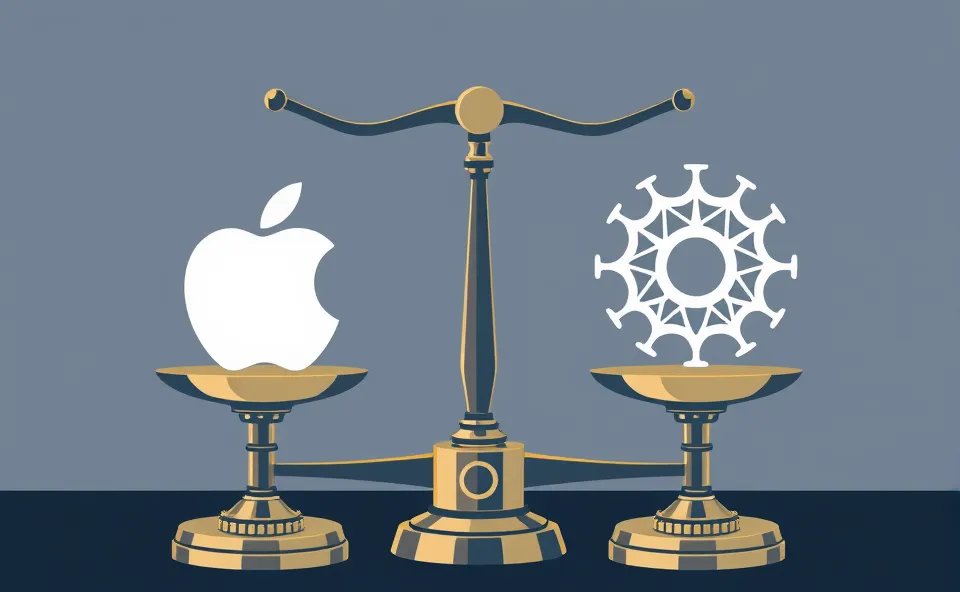
The unexpected battle between tech giants
If you have been following the news lately, you might have noticed a massive shift in the tech world. For a long time, we have seen Apple and OpenAI working in ways that seemed complementary. Apple wanted to bring smart features to your iPhone, and OpenAI provided the brains through ChatGPT. However, that peaceful relationship has just hit a massive roadblock. A new legal battle has emerged that is much more intense than a simple disagreement over software features.
Apple has officially launched a lawsuit against OpenAI. This is not about who has the better chatbot or which AI can write a better poem. Instead, this case is about the physical side of technology. Apple is alleging that OpenAI was involved in the theft of hardware trade secrets. They claim that sensitive information regarding how AI-powered devices are actually built was taken and used improperly. This is a serious accusation that touches on the very core of how companies protect their most valuable inventions.
At the center of this storm is a company called IO Products. The lawsuit suggests that this entity played a role in the movement of information that Apple considers its own. It is not just a case of one company suing another; it is a complex web involving ex-Apple employees and the secretive world of hardware development. When we talk about AI hardware theft, we are talking about the blueprints, the chip designs, and the specialized manufacturing processes that make modern gadgets work. This is a fight over the physical foundation of the next generation of technology.
Why this legal fight is suddenly everywhere
You might be wondering why this is dominating the headlines right now. Usually, when we hear about AI, we think about code, data, and algorithms. We think about things we cannot touch. But this case is different because it highlights a massive shift in the industry. The race for AI dominance is moving from the cloud into our pockets and onto our desks in the form of dedicated hardware.
People are searching for this because it signals a new era of tech litigation. We are moving past the era of software copyright battles and entering a period of high stakes corporate espionage claims. As companies like OpenAI realize that they need their own physical devices to truly compete with Apple, the tension between software innovators and hardware masters is exploding. Every person who works in tech is watching this closely because it sets the rules for how talent can move between companies without taking the crown jewels with them.
There is also the element of surprise. Most people assumed OpenAI would stay in the lane of software and cloud services. Seeing them dragged into a fight over physical manufacturing and hardware secrets is a shock to the system. It confirms what many experts have suspected: the dream of a standalone AI device is very much alive, and the competition to build it is going to be brutal.
The people and the history behind the claim
To understand why Apple is so angry, we have to look at the people involved and the history of their hardware teams. Apple has spent decades perfecting the art of making hardware and software work together perfectly. This expertise is their greatest moat. They do not just make phones; they make the silicon chips, the thermal systems, and the specialized components that make those phones special.
The lawsuit points toward specific individuals who were once deeply embedded in the Apple ecosystem. Among the names being discussed are Tang Tan and Chang Liu. These are not just random employees. They were key figures in Apple’s hardware efforts. When high level talent moves from a company like Apple to a rising star like OpenAI or its associated projects, it naturally raises red flags. Apple is essentially arguing that these individuals did not just bring their skills, but they also brought protected intellectual property that belongs to Apple.
The involvement of IO Products adds another layer to the story. This connection suggests that the movement of information was not a simple direct transfer. Instead, it looks like a more organized attempt to leverage Apple’s research to jumpstart OpenAI hardware plans. This background shows that this is not a sudden mistake or a minor slip up. From Apple’s perspective, this looks like a calculated move to bypass years of expensive research and development by using stolen blueprints.
What this means for the future of your gadgets
This lawsuit is not just a private fight between two wealthy companies. It has real implications for everyone who uses technology. If this case proceeds and Apple wins, it will change how all tech companies operate. We can expect to see much stricter rules regarding how employees move from one company to another. The era of the free-flowing tech talent pool might be getting much more restricted as companies try to guard their secrets more fiercely.
For the average consumer, this could mean a few different things:
- Slower Innovation: If companies are too afraid of being sued, they might become more cautious about hiring top talent or collaborating with new partners. This could slow down the release of new AI gadgets.
- Higher Prices: Protecting intellectual property is expensive. Companies might pass the costs of massive legal teams and increased security measures down to the customers.
- A New Type of Device: If OpenAI successfully develops its own hardware despite this fight, we might see a whole new category of AI devices that do not rely on a phone or a computer.
For the business world, the impact is even more direct. It serves as a massive warning. The line between competitive intelligence and corporate espionage is being drawn in a courtroom. Companies must now be incredibly careful about how they interact with former employees and how they build their hardware supply chains. The stakes for AI hardware theft are now high enough to threaten the very existence of a company’s competitive advantage.
Looking ahead at the coming storm
As we look toward the future, we are likely to see a long and drawn out legal battle. These types of cases rarely settle quickly because the information at stake is worth billions of dollars. We will see a lot of discovery, where lawyers dig through emails, design documents, and personal communications to find the smoking gun. This process will likely reveal even more about how much companies like OpenAI are actually planning for their hardware future.
One logical outcome is that OpenAI might decide to pivot. If the legal pressure regarding hardware becomes too great, they might choose to partner with existing hardware giants like Samsung or Google rather than trying to build their own ecosystem from scratch. This would allow them to focus on their strength, which is AI intelligence, while leaving the physical manufacturing to others.
On the other hand, this could be the spark that ignites a massive wave of hardware development in the AI space. If other companies see that Apple is willing to fight aggressively to protect its secrets, they will likely double down on their own internal security. We are entering a period where the physical components of AI are just as important as the code that runs them. The winner of this fight will not just be a company, but the blueprint for how the entire industry handles the intersection of artificial intelligence and physical machines.
Common questions about the Apple OpenAI lawsuit
What is the main goal of the Apple OpenAI lawsuit?
The primary goal of the Apple OpenAI lawsuit is to protect Apple’s intellectual property. Apple is seeking to stop what they claim is the unauthorized use of their hardware trade secrets to help OpenAI develop its own AI hardware products.
Who are the key figures mentioned in the hardware trade secrets case?
The lawsuit highlights the roles of former Apple employees, specifically mentioning Tang Tan and Chang Liu. Their transition from Apple to roles associated with new AI hardware developments is a central part of the allegation regarding AI hardware theft.
How is IO Products connected to this legal battle?
IO Products is mentioned as an entity involved in the complex movement of information. Apple claims that this organization played a role in facilitating the transfer of their proprietary hardware designs and secrets toward OpenAI hardware plans.
Why is AI hardware theft such a major concern for tech companies?
Unlike software, which can sometimes be replicated or reverse engineered, custom hardware involves years of specialized research into chip design, thermal management, and manufacturing. Losing these hardware trade secrets can cost a company its entire competitive edge in the market.
Will this impact how new AI devices are developed?
Yes, the outcome of this tech litigation will likely influence how all companies approach the development of AI hardware. It will dictate how much freedom engineers have to move between companies and how strictly businesses must guard their physical designs during the AI gold rush.











