

Apple’s Latest Price Hikes for Streaming and Bundles
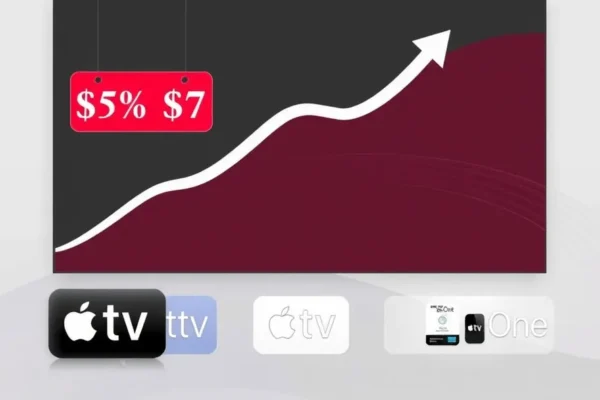
Apple has recently implemented a notable Apple price hike across its popular streaming service, Apple TV+, and its bundled offering, Apple One. The monthly subscription cost for Apple TV+ has risen from $6.99 to $9.99 in the United States, representing a significant jump of over 40%. Similarly, the Apple One bundle, which combines Apple TV+, Apple Music, Apple Arcade, and iCloud storage, has also seen its prices increase. The individual plan now costs $19.95 per month (up from $14.95), the Family plan is $25.95 per month (up from $19.95), and the Premier plan has climbed to $37.95 per month (up from $29.95). This move, officially announced by Apple in a company statement and widely reported by tech news outlets like Fox Business, marks a strategic recalibration for the tech giant in the increasingly competitive streaming market.
The Strategic Rationale Behind the Apple Price Hike
The decision to increase the subscription cost for Apple TV+ and Apple One appears to be driven by several strategic imperatives. Firstly, Apple has been investing heavily in original content for its streaming service. The company has consistently aimed to produce high-quality, award-winning shows and movies, such as “Ted Lasso” and “CODA,” which require substantial financial outlays. This price increase can be seen as a way to better recoup these content creation costs and to fund future productions, thereby enhancing the perceived value of the service. Secondly, Apple is seeking to align its service pricing with industry norms. While Apple TV+ historically offered a lower monthly price, the market has evolved, with many competitors operating at higher price points. This adjustment aims to position Apple’s service offerings more in line with the broader streaming landscape, reflecting the premium nature of its content and ecosystem. The move also potentially aims to boost the overall profitability of Apple’s Services segment, a crucial growth engine for the company as highlighted in its financial reports.
Competitive Context in the Streaming Wars
This Apple price hike places Apple’s services in closer proximity to its major rivals. Competitors like Netflix, Disney+, and HBO Max have all implemented their own price increases over the past few years, often accompanied by new subscription tiers or ad-supported options. For instance, Netflix has adjusted its pricing multiple times, and Disney+ has introduced an ad-supported tier at a lower cost. By raising its prices, Apple is signaling a greater confidence in the value proposition of its ad-free, premium content offering. This could benefit Apple by potentially capturing more revenue per subscriber, a key metric in the maturing streaming market. However, it also intensifies the competition on value. Competitors offering more extensive content libraries or lower entry points, particularly ad-supported plans, may gain an advantage among price-sensitive consumers. The bundle deal aspect of Apple One also becomes more critical; its success hinges on demonstrating clear savings compared to subscribing to individual services. This move could pressure other tech giants, like Amazon with Prime Video, to re-evaluate their own pricing strategies and content investment.
Industry Implications for Streaming Prices
The Apple price hike is another indicator of the ongoing evolution of the streaming industry. As the initial land-grab phase of subscriber acquisition potentially slows, companies are increasingly focusing on monetization and profitability. This trend suggests that consumers may face a future of generally higher streaming prices, or at least more complex pricing structures involving ad tiers and premium options. The move by Apple reinforces the idea that original, high-quality content is a significant cost driver and that consumers may need to pay more to access it. It also highlights the strategic importance of bundling. The Apple One bundle offers a compelling value proposition if the aggregated cost is lower than individual subscriptions, encouraging loyalty and potentially increasing customer lifetime value. Industry peers will likely continue to watch Apple’s subscriber retention rates closely following this change, as it could set a precedent for their own future pricing decisions. This signals a broader shift towards a more sustainable, and potentially more expensive, streaming ecosystem.
Financial and Operational Impact of the Price Adjustment
From a financial perspective, the Apple price hike is designed to directly boost Apple’s Services revenue and profitability. The Services segment has become a critical pillar of Apple’s financial performance, complementing its hardware sales. An increase in the monthly price for both Apple TV+ and Apple One could lead to a significant uplift in recurring revenue, especially if subscriber churn remains low. For instance, if a substantial portion of Apple’s millions of subscribers opt to pay the increased price without cancelling, the impact on quarterly earnings could be considerable. Operationally, this change might require adjustments in marketing strategies to emphasize the value of the increased price, particularly for the bundle deal. The long-term financial impact will depend heavily on subscriber response; a significant increase in churn could offset the benefits of higher per-subscriber revenue. Analysts will be closely monitoring Apple’s Services segment revenue growth and subscriber numbers in upcoming financial reports to gauge the success of this strategy.
Execution Risks and Challenges Ahead
Despite the strategic logic, Apple faces execution risks with this Apple price hike. The primary challenge is subscriber retention. While Apple has a loyal customer base, a nearly 40% increase for Apple TV+ could alienate some users, particularly those who subscribe primarily for a single show or are highly price-sensitive. Past instances of streaming services raising prices have sometimes led to noticeable increases in cancellations. Apple’s execution history with price adjustments has generally been successful due to its ecosystem lock-in, but the streaming market is more fragmented. A significant increase in churn would undermine the revenue goals. Furthermore, the competitive pressure from services offering vast libraries at lower price points or with free tiers remains a constant threat. Apple needs to ensure its content pipeline continues to justify the higher subscription cost to prevent customers from migrating to alternatives. The success of the Apple One bundle also relies on its perceived value; if competitors offer more compelling bundles or individual services at significantly lower prices, the bundle’s attractiveness could diminish.
Stakeholder Implications of the Price Adjustment
This Apple price hike has diverse implications for various stakeholders. For customers, the immediate impact is an increased monthly price for services they enjoy. This could lead to customer frustration or a re-evaluation of their subscription budgets. For investors, the move is generally viewed positively, as it signals Apple’s commitment to increasing the profitability of its Services segment. This could lead to improved financial metrics and continued stock performance, provided subscriber numbers remain robust. Employees, particularly those in content acquisition and production, may see this as validation of their efforts to create premium content that supports higher pricing. Partners, such as content creators and app developers within the Apple ecosystem, may benefit indirectly if increased Apple Services revenue translates into greater investment in content or platform development. However, for app developers whose services are bundled or compete with Apple’s own, the pricing strategy could indirectly affect their own revenue streams and competitive positioning.
Outlook and Next Steps for Apple’s Streaming Strategy
If this Apple price hike is successful, the outlook suggests a more aggressive monetization strategy for Apple’s Services. We can anticipate continued investment in high-caliber original content for Apple TV+, with the goal of attracting and retaining subscribers willing to pay a premium. The performance of Apple One will also be a key indicator; if the bundle remains popular, it will reinforce Apple’s strategy of leveraging its ecosystem to drive service adoption and revenue. Key milestones to watch include Apple’s quarterly earnings reports, where subscriber numbers and Services revenue growth will be closely scrutinized. Analysts will also be tracking the churn rates for Apple TV+ and Apple One. A stable or growing subscriber base at the new price points would signal success, potentially paving the way for further strategic pricing adjustments across Apple’s service portfolio. In the longer term, this could solidify Apple’s position as a premium player in the streaming market, contributing significantly to its overall financial health and market valuation.
Key Questions and Answers on the Apple Price Hike
Will this Apple price hike for Apple TV+ and Apple One be successful?
Success hinges on Apple’s ability to retain subscribers despite the increased subscription cost. If churn remains low, it will indicate that the perceived value of Apple’s content and ecosystem justifies the higher monthly price.
Why didn’t Apple just offer a lower-tier ad-supported version of Apple TV+ instead of a price increase?
Apple has historically focused on a premium, ad-free experience. An ad-supported tier might dilute brand perception. The price increase aligns with their strategy of premium content driving revenue.
What are the main risks associated with this Apple subscription price change?
The primary risk is subscriber churn. A significant number of users might cancel their subscriptions if they find the new monthly price too high, especially given the competitive landscape of streaming services.
How does this Apple price hike compare to competitors’ moves?
Many competitors like Netflix and Disney+ have also raised their prices or introduced new tiers. Apple’s move brings its Apple TV+ monthly price more in line with industry standards for premium, ad-free streaming.
How long until we see the full financial impact of this Apple price hike?
The full impact will become clearer over the next two to four quarters. Apple’s upcoming quarterly earnings reports will provide initial data on subscriber response and revenue changes related to the new subscription cost and bundle deal.
Will the Apple One bundle deal still be attractive after the price increase?
The attractiveness depends on the total savings compared to subscribing to individual services. Apple must continue to ensure the bundle offers a clear cost advantage for consumers to maintain its appeal.
Business outcomes are subject to execution risk and market dynamics, and are not guaranteed.











