

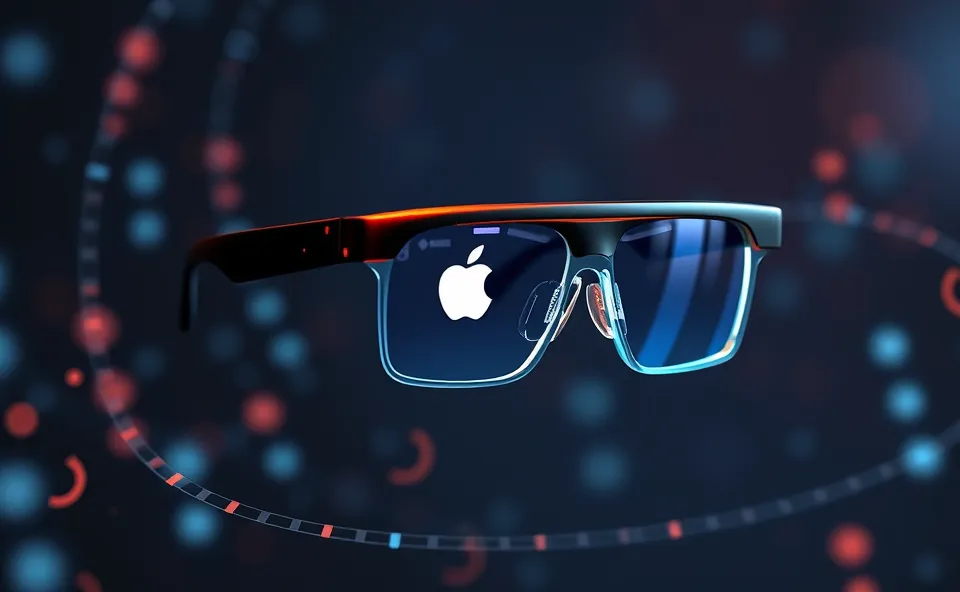
The Dawn of Apple Smart Glasses: A Glimpse into the Future and Its Privacy Shadow
So, Apple is diving headfirst into the world of smart glasses, and it’s a pretty big deal. Imagine a device that blends the digital world right into what you see. It’s the next frontier in wearable technology, promising to change how we interact with our devices and the world around us. But as exciting as this innovation is, it also shines a spotlight on a crucial challenge: how do you build something so seamlessly integrated with our vision without crossing a privacy line? This is the tightrope Apple is walking with its upcoming Apple smart glasses.
Why the Buzz Around Apple Smart Glasses and Privacy Now?
The reason this conversation is heating up right now is because the technology is no longer science fiction; it’s rapidly becoming reality. We’ve seen glimpses with devices like the Apple Vision Pro, which, while a headset, showcases the direction Apple is heading with spatial computing and augmented reality. As Apple’s plans for more accessible, everyday smart glasses become clearer, so do the potential privacy implications. People are understandably curious and a little concerned about how these devices will collect and use information about their surroundings and themselves. This makes the privacy aspect of Apple smart glasses a hot topic for discussion.
A Look Back: Building Blocks of Augmented Reality
To really get this, it helps to remember how we got here. For years, companies have been chipping away at augmented reality AR. Think about early attempts to overlay digital information onto the real world. Then came smartphones that let us experience AR through our screens. Companies like Apple have invested heavily in the underlying technology – the chips, the sensors, the software that makes AR possible. They’ve built a foundation with consumer electronics and a deep understanding of user data security. The ambition has always been to make these digital overlays feel natural, to weave them into our daily lives. Apple smart glasses are the culmination of this long journey, aiming to bring that seamless integration directly into our field of view.
What It All Means: Navigating the Personal Space
The impact of sophisticated Apple smart glasses on our lives could be profound. On one hand, imagine hands-free navigation, instant information overlays, and truly immersive entertainment experiences. It’s a vision of a future where technology fades into the background, enhancing our reality rather than distracting from it. For businesses, it opens up new avenues for marketing, training, and remote collaboration. For technology enthusiasts, it’s the next leap in innovation.
However, the privacy aspect is where things get tricky. These devices, by their very nature, are designed to perceive the world. This means they could potentially capture video, audio, and even gather data about your environment – who you’re with, where you are, what you’re looking at. This raises significant questions about user data:
- Who owns this data?
- How is it stored and protected?
- Who has access to it?
- How will it be used, if at all?
Apple has a reputation for prioritizing user privacy, but the sheer amount of data these glasses could collect presents a new level of challenge. The company needs to find a way to innovate and create powerful AR experiences while ensuring that users feel secure and in control of their personal information. This is where the concept of ethical tech comes into play, pushing for responsible development that respects individual boundaries.
Looking Ahead: The Path Forward for Apple Smart Glasses
What’s next for Apple smart glasses and the privacy debate? We can expect Apple to put a lot of effort into building trust. This likely means developing very clear and transparent privacy policies, giving users granular control over what data their glasses collect, and implementing robust security measures. They’ll probably focus on on-device processing of sensitive data, meaning less information needs to be sent to the cloud.
We might also see design choices that signal privacy. For instance, there could be outward-facing indicators when the glasses are recording, similar to how some smartphone cameras have a light. Education will be key too. Apple will need to clearly explain to consumers what their smart glasses can do and what data they handle, empowering users to make informed decisions. The success of these Apple smart glasses will likely hinge not just on their technological prowess but on their ability to assuage privacy concerns and build a foundation of trust with consumers. It’s about creating a future where augmented reality enhances our lives without compromising our fundamental right to privacy.
Frequently Asked Questions About Apple Smart Glasses and Privacy
What are the main privacy concerns with Apple smart glasses?
The primary privacy concerns with Apple smart glasses revolve around the potential for these devices to collect vast amounts of personal data from the user’s environment, including video, audio, and location information. The worry is how this user data will be handled, stored, and protected by Apple.
How is Apple addressing privacy concerns for its wearable technology like smart glasses?
Apple has a strong history of emphasizing data security and user privacy. For future products like Apple smart glasses, they are expected to implement robust encryption, provide clear user controls over data collection, and potentially rely more on on-device processing to minimize the transmission of sensitive information, aligning with their ethical tech principles.
Will Apple smart glasses record everything I see?
While the exact capabilities are still evolving, the goal of augmented reality devices is to overlay digital information. Apple smart glasses will likely have sensors that can perceive the environment. However, Apple is expected to implement features that give users control over what is captured and how that data is used, aiming to avoid indiscriminate recording of personal moments.
How does Apple Vision Pro’s privacy approach relate to future Apple smart glasses?
The Apple Vision Pro, as a precursor to more widespread AR adoption, provides insight into Apple’s approach to privacy in spatial computing. Its focus on on-device processing and user control over data can be seen as a blueprint for how they might tackle privacy challenges with upcoming Apple smart glasses, balancing advanced features with user data security.
What does user data security mean in the context of smart glasses and augmented reality?
User data security in the context of smart glasses and augmented reality means ensuring that any information collected by the device is protected from unauthorized access, breaches, and misuse. This includes safeguarding personal identifiers, environmental data, and behavioral patterns that could be inferred from usage, which is a critical aspect of innovation in consumer electronics.











