

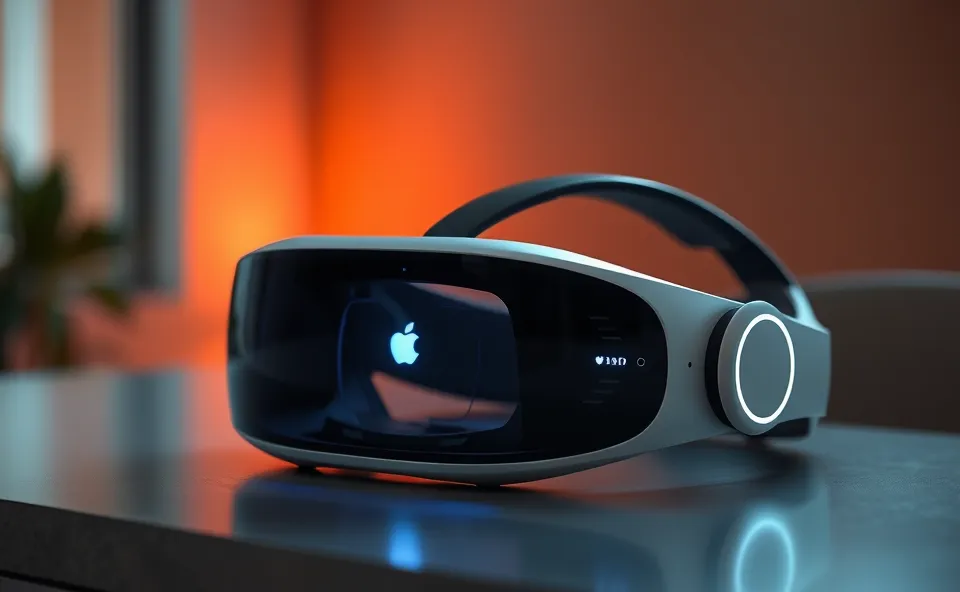
The reality check for a futuristic headset
Apple usually hits a home run with every new product. When they announce something, the world stops to watch. But with the Apple Vision Pro, the story is a bit different. After a lot of hype and a flashy launch, the initial excitement seems to be fading faster than anyone expected. Recent analyst reports show that the demand for the device is not where it needs to be for it to be a massive hit right now.
To put it simply, people are interested, but they are not necessarily buying. While the technology is impressive, the actual sales figures are coming in lower than the early guesses. We are seeing revised forecasts from experts who previously thought the device would fly off the shelves. Instead, the market reception has been a bit more cautious. It is not that the product is bad, but it seems there is a gap between thinking a device is cool and actually spending thousands of dollars on it.
This is a classic case of a product being ahead of its time. Apple is trying to sell us on a whole new way of interacting with computers, but for many people, the current version of the Apple Vision Pro feels more like a very expensive experiment than a must have tool for daily life.
Why everyone is talking about the slowdown
You might wonder why this is such a big deal now. Apple is a giant, and a few slow sales usually do not shake the company. However, the reason this is trending is that the Vision Pro was not just another gadget. Apple marketed it as the beginning of spatial computing. This was supposed to be the next big leap, similar to how the iPhone changed phones or the iPad changed tablets.
When a company makes a bold claim about a new category of technology, people watch the numbers closely. The current dip in demand tells us something important about consumer interest. It shows that even with the Apple brand behind it, people are hesitant to jump into mixed reality headsets if they do not see a clear reason to use them every day.
People are searching for answers because they want to know if they missed out on something great or if they were right to wait. There is a huge conversation happening online about whether the device is a luxury toy or a genuine tool. When analysts start lowering their expectations, it sends a signal to the rest of the tech world that the road to mainstream adoption for spatial computing is going to be much longer and steeper than we thought.
The road that led to this moment
To understand why the demand is slowing, we have to look back at how the Apple Vision Pro was positioned. For years, we heard rumors about Apple working on a headset. When it finally arrived, it was presented as a masterpiece of engineering. It has incredible screens, a complex eye tracking system, and a design that looks like it came from a sci fi movie.
But there was one giant hurdle from day one: the price. Launching a consumer device at 3,500 dollars is a massive risk. Most people are used to spending a few hundred or maybe a thousand dollars on a piece of tech. By setting the price so high, Apple essentially limited the device to early adoption. This means only the most tech savvy people, developers, and very wealthy enthusiasts were the target audience.
In the beginning, the curiosity factor was huge. People bought it just to say they had it. They wanted to see what spatial computing felt like. However, once those early adopters got their headsets, the “wow” factor started to wear off. They realized that while the device can do amazing things, there are not enough “killer apps” to make it a part of their daily routine. The background of the device is a story of incredible hardware searching for a purpose.
What this means for the tech world
The slowdown in Apple Vision Pro demand has a ripple effect that goes beyond just one company. It provides a huge lesson for the entire industry regarding mixed reality headsets. First, it proves that hardware specs are not enough to drive sales. You can have the fastest chip and the clearest display, but if the user does not have a reason to put the headset on every morning, it will stay on the shelf.
For businesses, this is a sign to be careful. Many companies were rushing to build apps for spatial computing, thinking there would be millions of users almost immediately. Now, they have to rethink their strategy. They might focus more on niche professional uses, like medical training or high end engineering, rather than trying to make a mass market consumer app.
For the average user, this is actually good news. It means Apple is likely feeling the pressure to make the technology more accessible. When demand is low, companies usually look for ways to attract more people. This often leads to several things:
- Better Software: Apple will likely push harder to create apps that make the device actually useful.
- Price Adjustments: There will be a stronger push for a cheaper, more affordable version of the headset.
- Improved Design: Feedback from the early adopters will help Apple make the next version lighter and more comfortable.
Where we go from here
So, is the Apple Vision Pro a failure? Not at all. It is more like a very expensive beta test. Apple has always been known for refining a product over several generations. The first iPhone was not perfect, and the first Apple Watch had a rocky start. The current situation with demand is likely just a phase in a much longer cycle.
Looking forward, the most logical step is the introduction of a non Pro model. A lighter, cheaper headset that focuses on entertainment and basic productivity would likely spark a new wave of consumer interest. If Apple can bring the price down to a level that feels reasonable for a household gadget, the sales figures will likely climb again.
We should also expect to see more integration with the rest of the Apple ecosystem. If the Vision Pro can seamlessly replace a Mac monitor or integrate perfectly with the Apple Watch in ways that feel natural, it becomes a tool rather than a toy. The future of spatial computing is still bright, but it is moving at a walking pace rather than a sprint. The focus will shift from showing off the technology to proving its value in the real world.
Common questions about the Apple Vision Pro
Why is the demand for Apple Vision Pro dropping?
The drop in demand is mainly due to the very high price and a lack of essential apps. Many people find the technology impressive but do not feel it is necessary for their daily lives, leading to lower sales figures than analysts originally predicted.
What do the revised forecasts say about sales?
Many analyst reports have lowered their expected sales numbers. They suggest that while early adoption was strong, the device is not yet appealing to the general public, meaning Apple will sell fewer units in the short term.
Is the Apple Vision Pro the only mixed reality headset struggling?
Most mixed reality headsets face similar challenges. High costs and a lack of clear use cases make it hard for any company to achieve mass market reception. Apple’s struggle shows that even a powerful brand cannot bypass these industry wide hurdles.
Will there be a cheaper version of the Apple Vision Pro?
While Apple has not officially confirmed it, history suggests they will eventually release a more affordable model. Lowering the entry price is the most effective way to increase demand and move the device from a niche product to a mainstream one.
What is spatial computing and why does it matter?
Spatial computing is the idea of blending digital content into the physical space around you. It matters because it could eventually replace traditional screens, changing how we work, learn, and communicate by making the entire world a digital canvas.











