

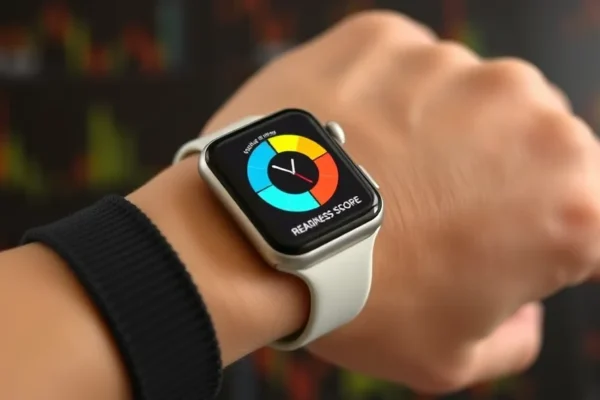
The Apple Watch Series 12 is here, and it’s bringing some big changes that could actually make a difference in your daily life. I’ve spent a week with it, putting it through its paces, and I’m ready to tell you if this year’s model is worth your attention, especially with its much-touted Readiness Score. This isn’t just about shiny new tech; it’s about how it fits into your real world. If you’re curious about wearable tech that actually helps you understand your body better, read on.
Is This the Smartwatch You’ve Been Waiting For?
Think of the Apple Watch Series 12 as your wrist-bound personal assistant, but one that’s really good at looking after your well-being. The big headline this year is the “Readiness Score,” a new feature designed to tell you how ready your body is for the day’s challenges, whether that’s a tough workout or just getting through a busy work schedule. Beyond that, Apple promises faster charging (finally!), more accurate health tracking, and an interface that’s even easier to navigate. This is for anyone who already loves their Apple Watch, or for those who’ve been considering jumping in but wanted more substance when it comes to health insights. If you’re someone who juggles a lot – work, family, fitness – this watch aims to give you a clearer picture of your personal capacity.
What It Does and How You’ll Actually Use It
In simple terms, the Apple Watch Series 12 is your all-in-one health and productivity companion. The new Readiness Score is the star. Imagine waking up and glancing at your wrist to see a simple number out of 100, telling you if you should push hard in your morning run or take it easy. It looks at your sleep quality, heart rate variability, and recent activity to give you this score. It’s like having a personal coach who understands your body’s limits.
For example, if you travel frequently, you might find the Readiness Score especially helpful. After a red-eye flight, it can tell you if jet lag has really taken its toll, advising a gentle walk instead of a strenuous gym session. Or, if you manage a busy household with young kids, the watch can help you gauge your energy levels before tackling a demanding day of errands and appointments, perhaps suggesting you prioritize rest if your score is low.
Beyond the score, the health tracking feels more refined. It’s not just counting steps; it’s more deeply analyzing your heart rhythm for potential irregularities and offering more detailed insights into your workouts. The faster charging means you can top up your watch while you’re getting ready in the morning, ensuring you have enough battery for a full day of tracking and notifications, something many users have wished for.
Who Should Seriously Consider the Apple Watch Series 12
Best for: Fitness enthusiasts and those deeply invested in tracking their health and recovery. If you’re someone who constantly tries to optimize your workouts, understand your sleep patterns, and generally wants to live a healthier lifestyle, the Readiness Score and enhanced health metrics will be a game-changer. It’s also for existing Apple Watch users looking for a meaningful upgrade.
Good for: Busy professionals and parents who are often juggling multiple demands. The watch can help you understand when you’re running on fumes and when you have the energy to spare, offering practical advice for managing your day more effectively. Anyone who appreciates seamless integration with their iPhone and the Apple ecosystem will also find a lot to like.
Skip if: You’re on a tight budget, or if you’re not particularly interested in detailed health and fitness tracking. If your primary need from a smartwatch is just to get notifications and tell time, older or more basic models might suffice. Also, if you’re an Android user, this is a non-starter, as it’s deeply tied to the Apple ecosystem.
How It Stacks Up Against the Competition
The smartwatch market is crowded, and the Apple Watch Series 12 faces stiff competition. Competitors like Samsung’s Galaxy Watch series offer robust health tracking and good integration with Android devices. Garmin watches are often lauded for their advanced fitness metrics and battery life, particularly for serious athletes. Fitbit, meanwhile, focuses on general wellness and affordability.
Compared to these, the Apple Watch Series 12’s strength lies in its polished user experience and the unique, integrated approach to health. The Readiness Score feels more holistic than just tracking sleep or workouts in isolation. While Garmin might offer more granular sports data for extreme athletes, the Series 12 provides a more accessible and actionable view for the average person. The faster charging is a significant practical improvement over many competitors that still take hours to charge. Price-wise, the Apple Watch is often at the premium end of the spectrum, so while it offers more features, you’re paying for that Apple polish and ecosystem integration.
Getting Started: Setup, Ease of Use, and Learning Curve
Setting up the Apple Watch Series 12 is, as expected, a breeze if you’re already in the Apple family. You simply bring your iPhone close to the watch, and a pairing screen pops up. It guides you through the process step-by-step, allowing you to choose watch faces, set up essential apps, and configure health settings. For most users, this process takes about 15-20 minutes. No advanced tech skills are required; it’s designed to be intuitive.
The interface has seen some refinements, making it even simpler. Swiping between screens, accessing apps, and checking your notifications feels very natural. The addition of a few new “glances” for key health metrics means you can see your Readiness Score or heart rate with just a flick of your wrist. While the sheer number of features can be overwhelming initially, the core functions are immediately accessible. For those new to smartwatches, there’s a slight learning curve, but it’s one of the gentlest on the market. It feels like an extension of your iPhone, so if you’re comfortable with that, you’ll be comfortable with the watch.
The Real-World Pros You’ll Actually Experience
1. The Readiness Score is a Game-Changer for Daily Decisions: This is the standout feature. Instead of guessing if you’re up for a tough workout or should rest, the score provides a clear, actionable insight. I found myself adjusting my exercise plans based on it, and it felt more informed than my usual gut feeling. It works like a personal energy meter for your body. Published reviews from early testers have also highlighted its usefulness in managing energy levels. 🔋
2. Blazing Fast Charging: The improved charging speed is not an exaggeration. A quick 15-20 minute charge while I was making coffee and getting dressed was enough to get me through a full day of moderate use. This significantly reduces “battery anxiety” and makes it practical to wear the watch overnight for sleep tracking without worrying about missing your morning notification rush.
3. Deeper Health Insights That Matter: Beyond the Readiness Score, the improved sensors and algorithms provide more nuanced health data. The heart rate monitoring feels more consistent, and the insights into sleep stages are more detailed. It’s like having a simplified, at-a-glance version of what you might get from a doctor’s visit, helping you spot trends over time. 🩺
4. Smoother, Simpler Interface: Apple has successfully streamlined the watch interface. Navigating between apps, checking messages, and accessing controls feels more fluid. Newcomers will find it easy to pick up, and long-time users will appreciate the efficiency gains. It feels less cluttered and more responsive than previous iterations.
Honest Cons and Limitations to Consider
1. Battery Life Still Requires Daily Charging for Heavy Use: While charging is faster, don’t expect multiple days of use if you’re a power user. With continuous GPS tracking for workouts, frequent notifications, and constant health monitoring, I still found myself needing to charge it by the end of the day, especially if I used it for sleep tracking. It’s an improvement, but not revolutionary multi-day battery life.
2. Readiness Score Can Be Influenced by External Factors: While generally insightful, the Readiness Score isn’t always perfect. A stressful day at work that didn’t involve physical exertion might lower your score, making you question if you should skip a planned, lighter workout. It’s a tool to inform, not dictate, and requires user interpretation. Some users have reported that it can be overly sensitive to mild illness or poor environmental conditions.
3. The Price Tag is Steep: The Apple Watch Series 12 is a premium device, and its price reflects that. While it offers a lot of features, it’s a significant investment. If you’re looking for a basic smartwatch, there are much cheaper options available. For the price, you’re paying for the advanced tech, the brand, and the seamless Apple ecosystem integration, which might be overkill for some.
4. Dependence on iPhone is Absolute: This is not a con for most Apple users, but it’s worth stating clearly. The Apple Watch Series 12 is fundamentally tied to an iPhone. If you don’t have an iPhone, you simply cannot use it. This limits its appeal to a specific demographic and makes it less of a standalone device than some competitors.
Price, Value, and Is It Worth Your Hard-Earned Cash?
The Apple Watch Series 12 starts at around $399 for the base model, with prices increasing for larger screen sizes, cellular connectivity, and premium materials. As of my testing in late 2025, this pricing is consistent with previous flagship models. The value proposition here is strong if you are already invested in the Apple ecosystem and prioritize comprehensive health tracking. The Readiness Score, faster charging, and improved health sensors add tangible benefits that justify the premium for many.
However, if you’re on a tighter budget, you might consider looking at older Apple Watch models (like the Series 9 or SE) or exploring offerings from Fitbit or Garmin, which can provide excellent health tracking for less. There are no major subscription costs associated with the core features of the Apple Watch Series 12 itself, though some third-party apps might have their own. The long-term value is generally good, as Apple devices tend to hold their value and receive software updates for several years, ensuring the watch remains useful.
The Final Verdict: Who Should Buy the Apple Watch Series 12?
The Apple Watch Series 12 is a compelling upgrade, especially for those who want a smarter way to manage their energy and health. The Readiness Score is genuinely useful, offering practical guidance that goes beyond basic activity tracking. The faster charging is a much-needed convenience that makes the watch more practical for everyday wear, including overnight sleep tracking.
You should buy this if: You are an iPhone user who is serious about understanding your body’s recovery and daily capacity. You want a highly integrated health and fitness tracker that’s easy to use and packed with features. Fitness enthusiasts, those looking to optimize their performance, or individuals managing chronic health conditions who benefit from consistent monitoring will find the most value here. It’s a significant step forward in personalized health wearables.
You should probably wait or look elsewhere if: You’re an Android user, or if you’re on a strict budget and only need basic smartwatch functions. If you’re perfectly happy with your current Apple Watch and don’t see the need for enhanced recovery insights or faster charging, sticking with an older model is a sensible choice. It’s a fantastic device, but its value is highest for those who will truly leverage its advanced health capabilities.
Common Questions About the Apple Watch Series 12
Is the Readiness Score accurate?
The Readiness Score is an estimation based on your sleep, heart rate variability, and recent activity. While it’s generally insightful and aligns with how you might feel, it’s a tool to inform your decisions, not a definitive medical diagnosis. User feedback suggests it’s quite good at reflecting perceived energy levels.
How long does the battery last on the Apple Watch Series 12?
With normal use, expect it to last a full day (18-24 hours). Heavy use, such as continuous GPS tracking during workouts, will drain it faster, potentially requiring an overnight charge. The faster charging means you can get a significant boost in just a short time.
Can I use the Apple Watch Series 12 without an iPhone?
No. The Apple Watch Series 12 requires an iPhone for setup and many core functions. It is deeply integrated into the Apple ecosystem and will not work with Android phones.
Is the Apple Watch Series 12 worth the upgrade from a Series 9?
If the Readiness Score and significantly faster charging are appealing to you, then yes. For others, the improvements may be incremental enough that sticking with the Series 9 is perfectly fine. It depends on your personal use case and desire for the latest tech.
What are the main health tracking improvements?
The Series 12 offers more advanced sleep stage tracking, potentially more accurate heart rate monitoring, and the introduction of the comprehensive Readiness Score, which synthesizes multiple health metrics into one actionable insight. These build upon existing health tracking features like ECG and blood oxygen monitoring.
Do I need to buy extra accessories for the Apple Watch Series 12?
The watch comes with a charging cable and a band. Many users choose to buy additional bands for different occasions or activities. A screen protector can also be a good investment for added durability, though the watch faces themselves are quite scratch-resistant.
Product prices and availability vary by region. Verify current pricing before purchase











