

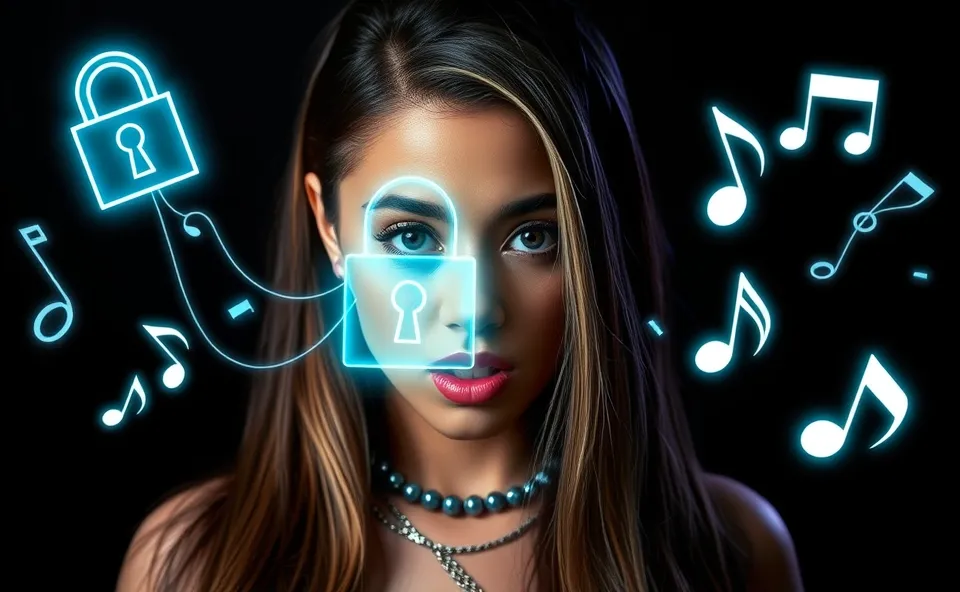
Ariana Grande Battles Hackers Over Years of Stolen Music and Videos
It turns out even global pop superstars like Ariana Grande aren’t immune to the pesky problem of digital theft. Recently, we’ve seen news about Ariana Grande filing a hacking lawsuit. This isn’t just about a one-off incident; it’s about years of what looks like a systematic effort to steal and leak her unreleased music and private videos. She’s essentially going after “John Doe” hackers – meaning she doesn’t know their specific identities yet, but she’s determined to find them and hold them accountable for content theft.
Why This Ariana Grande Hacking Lawsuit Is a Big Deal Right Now
You might be wondering why this story is buzzing now. The reason is simple: the lawsuit itself. When a public figure with such a massive following takes legal action, it naturally grabs attention. This Ariana Grande hacking lawsuit brings the issue of cybercrime and intellectual property protection into the spotlight in a very personal way. It reminds everyone, from fans to other artists and businesses, that digital security is a constant battle. The sheer volume of stolen songs and videos mentioned in the filings has also caught people’s interest, highlighting the significant breach of privacy and creative work involved.
A Look Back at What Led to This Legal Fight
To really get what’s going on, we need a little background. For years, fans have been privy to snippets or even full versions of Ariana Grande’s music that weren’t officially released. Similarly, private videos have also surfaced online that were clearly never meant for public consumption. This isn’t new; unauthorized leaks have been a thorn in the side of the music industry for a long time. However, the scale and duration of these alleged leaks concerning Ariana Grande suggest a persistent and targeted attack. The hacking lawsuit is the pop star’s way of saying enough is enough to these ongoing violations of her digital security and her creative output.
The Real Impact of This Kind of Content Theft
This Ariana Grande hacking lawsuit isn’t just a celebrity problem; it has broader implications for all of us, especially in the digital age. For artists like Ariana Grande, leaked unreleased music can disrupt carefully planned album rollouts, potentially devaluing their official releases before they even hit the market. Imagine spending months or years crafting an album, only to have parts of it out there for free, without your consent. It’s a huge blow to their creative control and their livelihood.
Beyond the music industry, this situation shines a light on the vulnerabilities of our digital lives. We all store personal information and creative works online. This hacking lawsuit serves as a stark reminder that robust digital security measures are crucial. For businesses, it emphasizes the constant need to protect sensitive data and intellectual property from cybercrime. It’s a clear demonstration of how devastating content theft can be, impacting not just the victim’s reputation but also their financial stability and personal privacy.
Think about it from a fan’s perspective too. While some might enjoy getting early listens, the way this material is obtained is illegal and unethical. It crosses boundaries and invades privacy. The pursuit of these “John Doe” hackers, therefore, is not just about recovering stolen assets; it’s about setting a precedent for how we value and protect digital creations and personal boundaries in an increasingly interconnected world.
What Might Happen Next in the Wake of This Lawsuit
So, where does this leave us? The filing of this John Doe lawsuit is just the beginning. The next steps will likely involve attempts to identify the hackers. This often involves working with internet service providers and other entities to trace the origins of the leaks. If the hackers are identified, the case could move towards a more traditional lawsuit against specific individuals.
We might also see Ariana Grande and her legal team seeking court orders to take down infringing content online. This is a common tactic in intellectual property cases. The outcome could also influence how other artists and companies approach similar situations, potentially leading to stronger calls for better digital security practices across the board. The music industry, in particular, will be watching closely, as the battle against unauthorized sharing and cybercrime is an ongoing one. The focus will remain on protecting intellectual property and ensuring that artists have control over their work.
Frequently Asked Questions About the Ariana Grande Hacking Lawsuit
What is the main reason for Ariana Grande’s hacking lawsuit?
The primary reason for Ariana Grande’s hacking lawsuit is the alleged unauthorized access and distribution of her unreleased music and private videos over several years. She is suing unidentified hackers, referred to as “John Doe,” to hold them accountable for this extensive content theft.
How does this hacking lawsuit affect the music industry?
This hacking lawsuit brings the issue of cybercrime and the protection of intellectual property to the forefront of the music industry. It highlights the significant financial and creative damage that stolen songs and unreleased music can cause, potentially leading to stronger digital security measures and legal precedents.
What is a “John Doe” lawsuit in this context?
A “John Doe” lawsuit means that Ariana Grande has filed the legal action against individuals whose identities are currently unknown. This is a common practice when dealing with cybercrime, allowing legal proceedings to begin while efforts are made to uncover the actual perpetrators behind the hacking and leaking of her content.
What kind of content has been stolen in relation to this lawsuit?
The data suggests that a significant amount of content has been stolen, including numerous unreleased songs and private videos. This represents a substantial breach of Ariana Grande’s personal and creative assets, leading to widespread unauthorized distribution online.
What are the potential consequences of this type of content theft for artists?
Content theft, such as the alleged hacking and leaking of Ariana Grande’s music and videos, can have severe consequences for artists. This includes disruption of album releases, financial losses, damage to reputation, and a violation of their privacy and control over their intellectual property. It underscores the importance of robust digital security for everyone.











