

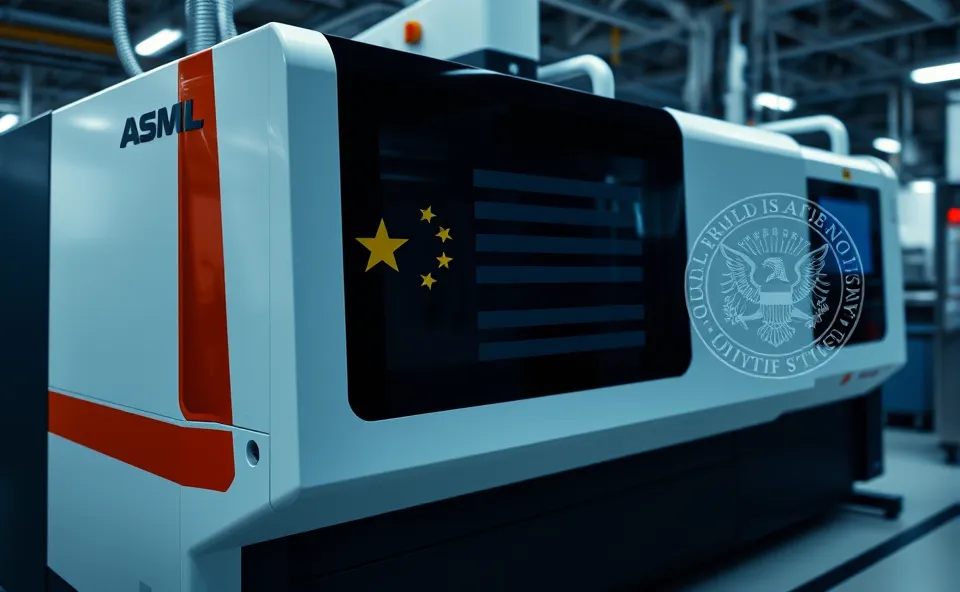
The US Says a Key ASML Chip Tool is in China, But ASML Says Hold On
So, there’s been some buzz lately about ASML, the big Dutch company that makes the super important machines used to create computer chips. The United States government has apparently pointed a finger, saying that one of ASML’s top chip tools has made its way to China. This is a pretty big deal because these machines are at the forefront of semiconductor manufacturing, and there are a lot of rules about who can get them, especially due to US sanctions and the ongoing technology dispute. However, ASML itself has stepped in to say, “Whoa there, not so fast.” They’re pushing back against these claims, and it makes a lot of sense when you think about it from their perspective.
Why the Fuss About ASML and China Right Now?
This story is hitting the headlines because the global semiconductor supply chain is incredibly complex and sensitive. Every little hiccup can send ripples across the tech world. With the ongoing geopolitical tensions and the intense focus on who controls advanced technology, any suggestion that China is getting its hands on highly restricted semiconductor manufacturing equipment like ASML’s is bound to grab attention. People are searching for this because it directly relates to the future of chip production, national security concerns, and the ongoing trade war between the US and China. It’s a story that touches on powerful forces shaping our digital lives.
A Little Background on the Chipmaking Race
To really get why this ASML and China situation is so spicy, we need to understand a bit about the chipmaking world. ASML is practically a magician in this field. They create the incredibly sophisticated machines that use light to etch tiny patterns onto silicon wafers, which eventually become the brains of our phones, computers, and pretty much everything else electronic. One of their most advanced technologies is called EUV lithography, which stands for Extreme Ultraviolet. These EUV machines are like the holy grail of chip manufacturing, allowing for the creation of the smallest, most powerful chips. The US, along with some allies, has been working hard to control the export of such advanced technology, particularly to China. This is all part of a broader strategy to maintain a technological edge and prevent rivals from developing equally advanced military or civilian capabilities. ASML has been navigating a tricky path, trying to balance its business interests with these international regulations. They’ve had to comply with export license requirements, which means they can’t just sell their best gear to anyone, anywhere, without permission. The US allegations suggest a breach of these controls, which could have serious consequences.
What This Means for Everyone
This whole ASML, China, and US technology dispute is more than just a headline. For ASML, it’s potentially a massive risk. If the US proves their top chip tool is indeed in China in violation of export rules, ASML could face severe penalties. The most impactful consequence would be the revocation of their export license. Imagine ASML, the world leader in lithography machines, being unable to sell their most advanced products to major chipmakers worldwide. That would cripple their business and significantly disrupt the global semiconductor manufacturing landscape. For chipmakers, especially those reliant on cutting edge technology, this could mean supply chain disruptions and delays in getting the latest chips. It could also lead to a scramble for alternative solutions, though frankly, there aren’t many direct replacements for ASML’s EUV machines. For the US and China, it just adds another layer to their ongoing trade war and competition for technological dominance. It highlights the deep interconnectivity of the global economy and how technology has become a major battleground in international relations. Users might eventually see the impact in terms of the availability and cost of electronic devices if the supply chain is significantly hampered. It’s a reminder that the tiny chips powering our lives are part of a much larger, more complex global game.
Where Do We Go From Here?
Looking ahead, the situation with ASML and China is likely to remain a closely watched development. ASML’s strong denial suggests they have a strong case, or at least enough doubt to warrant a thorough investigation. The company’s primary concern will be protecting its crucial export licenses. For ASML, risking its ability to sell its advanced chip tools to major players worldwide would be a catastrophic business decision. It’s highly improbable they would knowingly jeopardize their entire global operation for one sale, especially one that carries such immense political risk. We’ll likely see continued diplomatic discussions and possibly further investigations from both the US and potentially ASML’s home country, the Netherlands. ASML will undoubtedly be working hard to demonstrate its compliance with all export regulations. The outcome could influence future export control policies and further shape the dynamics of the global semiconductor supply chain. It’s a story that will continue to unfold as all parties try to navigate these complex geopolitical and technological waters.
Frequently Asked Questions About ASML, China, and Chip Tools
What exactly is the US alleging about ASML and China?
The US government is reportedly claiming that one of ASML’s top chip tools, crucial for advanced semiconductor manufacturing, has ended up in China. This is significant because such technology is subject to strict export controls.
Why is ASML so important in chipmaking?
ASML is essential because it designs and manufactures highly complex lithography machines, particularly its EUV systems. These machines are the only ones capable of producing the most advanced and smallest chips currently in demand.
What are US sanctions in this context?
US sanctions related to ASML and China refer to restrictions imposed by the United States government on the export of certain technologies, including advanced chipmaking equipment, to China. The goal is often to limit China’s technological advancement in sensitive areas.
Could ASML lose its export license?
Yes, that is a potential consequence. If ASML is found to be in violation of export license requirements, particularly concerning advanced chip tools and specific countries like China, its ability to export its products could be suspended or revoked.
How does this ASML chip tool dispute affect the global supply chain?
Any disruption in the supply of ASML’s cutting edge chip tools can have a cascading effect on the entire semiconductor manufacturing supply chain. It could lead to production delays, impact the availability of next generation electronics, and intensify competition for advanced chip technology.











