

Cars to Cannons A New Mobilization?
You know how sometimes you hear about companies shifting gears to tackle big national needs? Well, there’s a fascinating development happening right now where the Trump administration is reportedly talking to major automakers, like General Motors and Ford, about ramping up their capabilities for weapons production. Think of it as a modern call to arms, asking the same giants that build our everyday cars to potentially build vital military hardware.
It sounds like a scene straight out of history, doesn’t it? The idea is to get these companies ready to pivot quickly if the country’s defense needs dramatically increase. This isn’t about immediate mass production, but more about making sure the industrial might is there, ready to be flexed. It’s a move that’s definitely got people talking and has us looking back at similar moments in our past.
Why the Buzz Now?
The reason this is making waves and people are searching for it now is multifaceted. For starters, there’s the inherent drama of bringing together historic rivals in the automotive world and the powerful U.S. military, specifically the Pentagon, for such a significant undertaking. It’s a story that taps into our sense of national security and industrial strength. Plus, with ongoing global tensions, discussions about defense readiness naturally gain traction.
This kind of industrial mobilization effort is not a daily occurrence. When it’s even hinted at, it sparks curiosity about what it truly means for the economy, for jobs, and for the nation’s ability to respond to crises. The parallel to World War II is almost immediate for many, conjuring images of assembly lines churning out more than just cars. This historical echo amplifies the public’s interest and the need to understand the current situation.
Echoes from a Pivotal Past
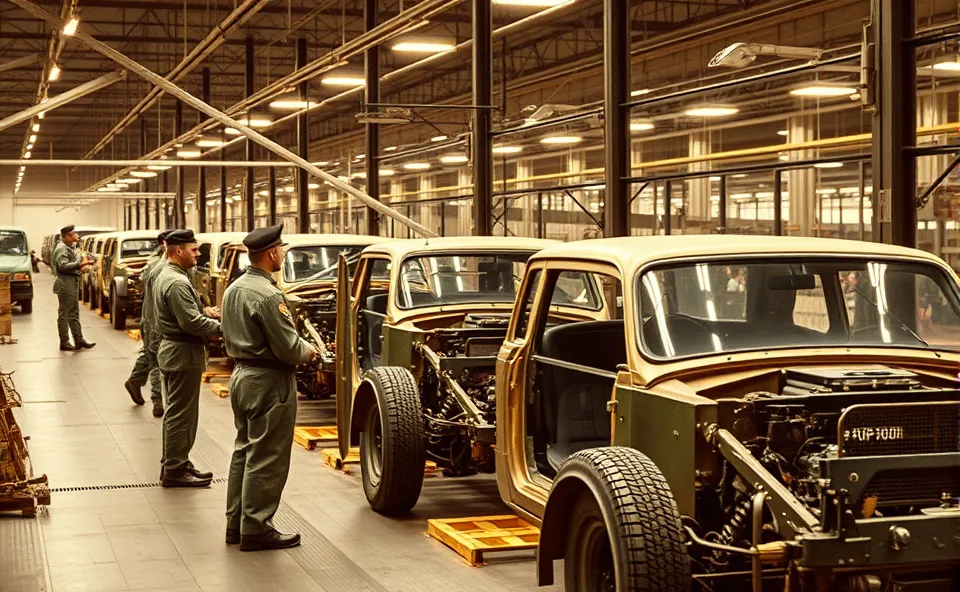
To really get a handle on what’s happening today, we need to take a trip back in time to World War II. Imagine the United States at war. The demand for planes, tanks, ships, and guns was immense. Our manufacturing sector, which was primarily focused on civilian goods, had to undergo a radical transformation. This period is often referred to as industrial mobilization or wartime production.
Companies like Ford, General Motors, and Chrysler, which were famous for their cars, switched their entire focus. Their assembly lines were reconfigured. Factories that once produced sedans and trucks began to churn out bombers, jeeps, and artillery. It was a monumental effort, a true testament to American ingenuity and manufacturing power, all driven by government contracts and the urgent need to support the war effort. This wasn’t just about building things; it was about retooling an entire economy for a singular, critical purpose. The scale was unprecedented, turning everyday factories into arsenals.
What This Means for Us All
So, what’s the big deal when today’s automakers are being considered for weapons production? For starters, it signals a significant shift in how we think about national defense and industrial readiness. It’s about ensuring we have the capacity to produce critical military equipment quickly if needed, reducing reliance on foreign suppliers or lengthy production ramp-ups during a crisis. This could mean substantial government contracts for these auto giants, potentially impacting their bottom lines and strategic planning.
From a technological standpoint, it could spur innovation. Applying automotive manufacturing techniques and expertise to weapons production might lead to more efficient processes, new materials, or even design improvements. For the workforce, this could translate into new job opportunities, requiring different skill sets but tapping into the existing manufacturing base. On a broader market level, it suggests a heightened focus on defense spending and the industrial capacity to support it.
Think about the ripple effects:
- Economic Impact: Increased government spending in the defense sector could boost economic activity.
- Technological Advancement: Cross-pollination of ideas between automotive and defense manufacturing could lead to breakthroughs.
- Job Creation: Potential for new roles in manufacturing and related industries.
- National Security: Enhanced capability to respond to threats through robust domestic production.
It’s a complex web, but at its core, it’s about ensuring America’s ability to defend itself and project strength when necessary, leveraging the very industries that have shaped our daily lives.
Where Do We Go From Here?
Looking ahead, the conversation about automakers and weapons production is likely to continue. The immediate future will probably involve more detailed discussions between the Trump administration and the automotive companies. This could lead to specific agreements, pilot programs, or the development of more robust plans for industrial mobilization. We might see further investment in specialized manufacturing capabilities within these companies.
It’s also possible that this trend will encourage other industries to assess their own roles in national defense. The emphasis on strengthening domestic manufacturing and ensuring readiness is a significant theme. While we are not in a declared war like World War II, the proactive steps being discussed suggest a strategic foresight regarding potential future challenges. The goal seems to be building a more resilient and responsive defense industrial base. It’s about preparedness, about having the tools and the factories ready to serve the nation’s security needs.
Your Questions Answered
What is the Trump administration asking automakers to do regarding weapons production?
The Trump administration has reportedly engaged with major automakers to explore their capacity and willingness to ramp up weapons production. This isn’t about immediate, full-scale manufacturing but rather about preparing these companies to shift their industrial capabilities towards defense needs if required, much like the industrial mobilization seen in the past.
How does this current situation compare to World War II style weapons production?
The comparison to World War II is drawn because that era saw a massive industrial mobilization where automakers famously converted their factories from producing civilian cars to manufacturing aircraft, tanks, and other military equipment. The current discussions echo that historical precedent by looking to leverage the vast manufacturing infrastructure of the automotive industry for defense purposes, albeit in a potentially different context and scale.
What is the Pentagon’s role in this initiative involving automakers and weapons production?
The Pentagon, as the U.S. Department of Defense, plays a crucial role in setting the defense requirements and priorities. Their involvement would be in defining the types of weapons or military components needed, setting technical specifications, and likely managing the government contracts that would facilitate this transition for automakers into weapons production.
What are the potential impacts of automakers focusing on weapons production for the economy?
If automakers significantly shift towards weapons production, it could lead to substantial economic impacts. This includes the potential for large government contracts, job creation or shifts within the manufacturing sector, and a boost to industries that supply components for both automotive and defense manufacturing. It also highlights a strategic focus on domestic industrial capacity for national security.
Is this a sign that the U.S. is preparing for a major conflict, given the focus on weapons production by automakers?
While the conversations about automakers and weapons production do bring to mind wartime efforts like those during World War II, they can also be viewed as a proactive measure to ensure national readiness and bolster the defense industrial base. It reflects a strategic approach to maintaining a robust capacity to respond to potential threats or geopolitical challenges, rather than an immediate indication of impending conflict.











