

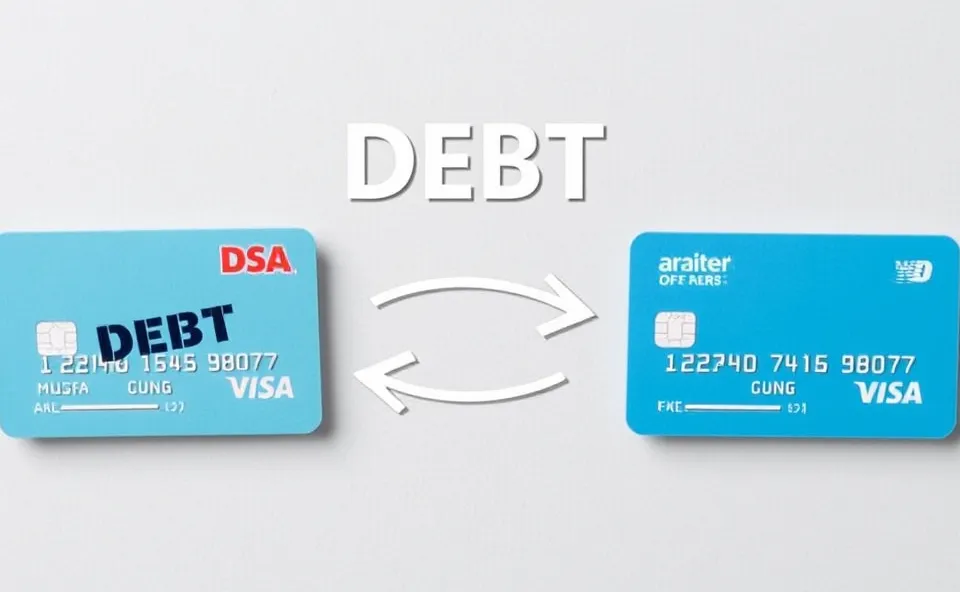
So, What Exactly is a Credit Card Balance Transfer?
You know that nagging feeling when you look at your credit card statements and see a big number? That’s your credit card debt. Now, imagine you could take all that debt from one or even multiple cards and move it to a new card, usually with a much lower interest rate, for a certain period. That’s the core idea behind a credit card balance transfer. Think of it like moving your belongings from a really expensive storage unit to a cheaper one for a while. You’re not getting rid of the stuff, but you’re definitely saving money on the rent while you figure things out.
Essentially, a balance transfer credit card allows you to consolidate your existing credit card balances onto a new card. The magic often happens with a special introductory offer, most commonly a 0 APR balance transfer period. This means for a set number of months, you won’t be charged any interest on the amount you transferred. It’s a powerful tool for tackling high interest charges that can make paying down debt feel like an uphill battle.
Why Are So Many People Talking About Balance Transfers Right Now?
The buzz around balance transfers isn’t random. In today’s financial climate, with rising costs and varying economic pressures, people are actively looking for ways to manage their money more effectively. High credit card interest rates can quickly eat away at your payments, making it tough to see progress. When people feel the pinch of interest charges, they start searching for solutions. A balance transfer offers a clear, tangible way to reduce those costs and gain some breathing room. It’s about taking control of your finances and finding a smarter path forward, which naturally drives interest in topics like what is a balance transfer and how balance transfer works.
This search for financial relief is amplified when economic uncertainty makes budgeting a priority. Consumers are keenly aware of how much those monthly interest payments add up, and the promise of a 0 APR balance transfer is incredibly appealing. It represents a significant opportunity to redirect money that would have gone to interest straight back into paying down the principal debt. This makes it a hot topic for anyone looking to improve their financial health.
A Little History: How Did We Get Here?
Credit cards themselves have evolved dramatically over the decades. Initially, they were more like charge cards, requiring payment in full each month. As they became more mainstream, the concept of revolving credit emerged, allowing users to carry a balance from month to month. This is where interest charges became a significant factor in how credit cards operate. Over time, financial institutions began offering incentives to attract new customers and to help existing customers manage their debt.
The balance transfer offer itself is a relatively modern innovation, stemming from the competitive nature of the credit card industry. Banks realized that offering a low or 0 APR period on transferred balances could be a compelling draw. It wasn’t just about getting new customers; it was also a way to help people manage their existing debt more affordably, which in turn can lead to more responsible financial behavior. This evolution has made the balance transfer credit card a common and understood financial tool for many.
What Does This Mean for Your Wallet and Your Financial Future?
For individuals, the impact of a successful balance transfer can be profound. The most immediate benefit is savings on interest. If you have a significant amount of high-interest debt, moving it to a 0 APR balance transfer card can save you hundreds, if not thousands, of dollars in interest over the promotional period. This allows you to pay down your principal debt much faster, accelerating your journey towards becoming debt free. It’s a powerful form of debt consolidation, simplifying your payments and making your financial life more manageable.
Beyond just saving money, strategically using a balance transfer can also have a positive effect on your credit score. By consolidating debt onto fewer cards and paying down balances, you can improve your credit utilization ratio. This ratio, which measures how much credit you’re using compared to your total available credit, is a major factor in credit scoring. A lower utilization ratio generally signals to lenders that you’re managing your credit responsibly, which can help improve your credit score over time. It’s a way to proactively manage your credit card debt and potentially boost your financial standing.
- Reduced Interest Costs: The most significant immediate benefit is avoiding high credit card interest rates.
- Faster Debt Payoff: With less money going to interest, more of your payments go towards the principal.
- Simplified Payments: Consolidating multiple bills into one can make managing your finances easier.
- Potential Credit Score Improvement: Lowering credit utilization can positively impact your score.
What’s Next on the Horizon for Balance Transfers?
As the financial landscape continues to shift, we can expect balance transfer offers to remain a key strategy for both consumers and credit card issuers. For consumers, the drive to find cost-effective ways to manage debt will likely keep balance transfers in high demand. We might see credit card companies continuing to refine their offers, perhaps adjusting the length of 0 APR periods or the specific fees associated with them, all while competing for market share. The underlying principle of helping consumers manage their debt more affordably is likely to persist as a core offering.
From a broader perspective, the continued availability and promotion of balance transfer credit cards reflect a recognition of the ongoing challenge of credit card debt for many households. As financial technology evolves, there could be even more integrated tools and platforms that simplify the process of comparing and executing balance transfers, making it an even more accessible financial strategy. The focus will likely remain on providing a valuable service that helps individuals gain control over their financial situations.
Frequently Asked Questions About Balance Transfer Credit Cards
What is a balance transfer credit card and how does it work?
A balance transfer credit card lets you move debt from one or more existing credit cards to a new card, often with a special introductory offer like 0 APR balance transfer for a period. You pay off the debt on the new card, saving on interest while you do. It’s a way to consolidate and manage credit card debt transfer more efficiently.
Are there any fees involved with a balance transfer?
Yes, most balance transfer offers come with balance transfer fees, typically a percentage of the amount you transfer, often between 3% and 5%. It’s important to factor this fee into your calculations when deciding if a balance transfer is worthwhile, alongside the potential savings on credit card interest rates.
When is a balance transfer a good financial strategy?
A balance transfer is a great financial strategy when you have high-interest credit card debt and can realistically pay off a significant portion of it during the 0 APR balance transfer period. It’s also beneficial if you’re looking for debt consolidation to simplify payments and aim to improve your credit score by reducing credit utilization.
What are the pros and cons of a balance transfer?
The balance transfer pros cons are quite clear. Pros include saving money on interest, simplifying payments, and potentially improving your credit score. The cons involve balance transfer fees, the risk of accumulating new debt on the new card, and the potential for a higher APR after the introductory period ends. Managing credit card debt wisely is key.
Can a balance transfer help me improve my credit score?
Yes, a balance transfer can help improve your credit score, primarily by lowering your credit utilization ratio if you consolidate debt onto a card with a higher credit limit or pay down your balances. This demonstrates responsible management of credit card debt transfer, which lenders view favorably.











