

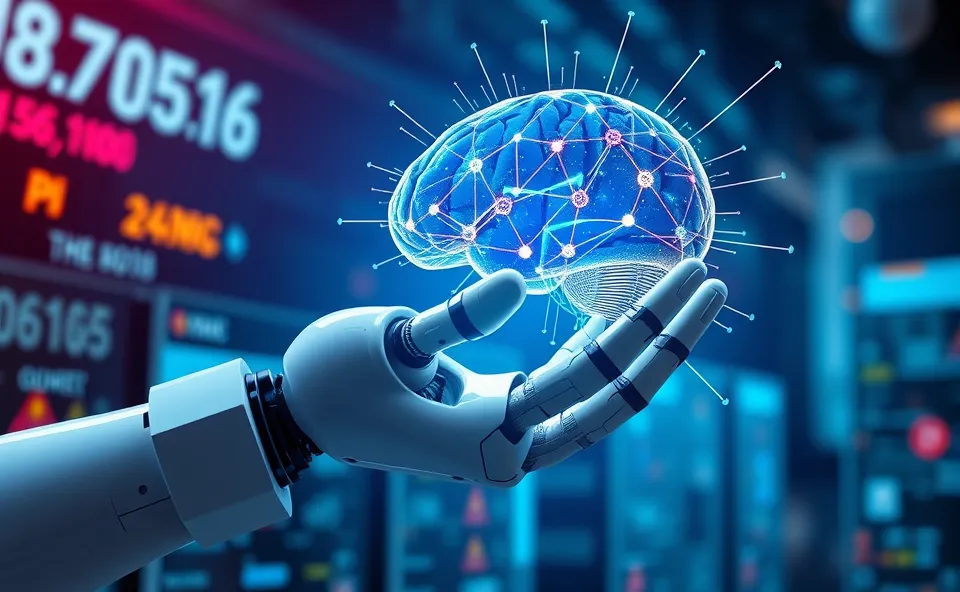
Bernstein Points to a Game Changer: The Rise of Physical AI
Imagine artificial intelligence not just living in the digital realm, crunching numbers or generating text, but actually moving, seeing, and interacting with the physical world around us. This isn’t science fiction anymore. It’s the exciting frontier of Physical AI, and a recent outlook from Bernstein, a leading research firm, has really shone a spotlight on its immense potential. They’ve expressed a remarkably optimistic view on a major company’s deep dive into this space, suggesting we are on the cusp of something truly transformative.
Bernstein’s analysis highlights that this particular company isn’t just dabbling; they are making significant strides in developing AI systems that can learn, adapt, and perform complex tasks in physical environments. This isn’t about simple automation; it’s about intelligent machines that understand context, react to unforeseen circumstances, and collaborate with humans in ways we’re only beginning to imagine. It’s a clear signal that the world of AI innovation is expanding far beyond our screens and into our everyday lives, driven by a vision for smarter, more capable machines.
Why Physical AI Is Capturing the World’s Attention Now
So, why is this particular form of artificial intelligence suddenly a hot topic? We’ve been talking about AI for decades, but the focus has largely been on software intelligence. What makes Physical AI a trending reason for discussion right now is the convergence of several powerful forces.
- Technological Maturity: Advances in robotics, sensor technology, and machine learning algorithms have reached a point where combining them for sophisticated physical interaction is no longer just theoretical.
- Real-World Problems: Businesses and societies face complex challenges that digital solutions alone cannot fully address. From enhancing manufacturing productivity to delivering goods autonomously or assisting in healthcare, the need for intelligent physical systems is growing.
- Investment and Innovation: Major tech players, backed by significant tech investment, are pouring resources into this field. Their breakthroughs are accelerating the pace of development, making what once seemed futuristic surprisingly near.
- Demand for Automation: The global demand for increased automation and efficiency across various sectors is pushing companies to explore new ways intelligent machines can perform tasks that are dangerous, repetitive, or require high precision. This push is a major driver behind the excitement surrounding Physical AI and its potential to revolutionize industries.
People are searching for Physical AI because it represents the next big leap in how technology integrates with our lives. It’s the moment when AI steps out of the cloud and into the factory floor, the warehouse, and even our homes, promising to change how we work and live in profound ways.
From Code to Choreography: The Background of Physical AI’s Evolution
To fully grasp the excitement around Physical AI, it helps to understand its journey. For many years, artificial intelligence primarily existed as code, as algorithms living within computers. Think of search engines, recommendation systems, or even early expert systems; they processed information, made predictions, and solved problems, but they didn’t have a body to interact with the world.
The concept of robotics has, of course, been around for a long time, bringing machines into physical spaces. However, traditional robots are often programmed for very specific, repetitive tasks. They lack the adaptability and learning capabilities that define modern AI. If something unexpected happens, they stop. They aren’t truly “intelligent” in the way we understand it today.
The magic of Physical AI comes from merging these two worlds. It’s about infusing robots and other physical systems with advanced machine learning capabilities, allowing them to perceive their environment, understand context, make decisions, and execute actions with a high degree of autonomy and flexibility. This means a robot isn’t just following pre-programmed steps; it’s learning from its experiences, just like a human, to perform tasks more effectively. This shift from rigid programming to dynamic learning is a crucial part of the background that makes current Physical AI innovation so groundbreaking. It moves us from simple mechanical automation to truly intelligent interaction.
The Profound Impact of Physical AI on Our World
Bernstein’s optimistic outlook isn’t just about a single company’s success; it signals a tidal wave of impact that Physical AI is set to unleash across various facets of our lives. This isn’t just another tech trend; it’s a fundamental shift in how we approach work, commerce, and even our daily routines.
- For Businesses: The impact will be revolutionary. Imagine factories where intelligent robots adapt to changes in production lines on the fly, optimizing efficiency and reducing waste. Think of logistics companies using autonomous systems to sort, pack, and deliver goods with unprecedented speed and accuracy. Physical AI will drive productivity gains, create safer working environments by handling dangerous tasks, and unlock entirely new business models focused on personalized automation and intelligent service delivery. This will fuel significant tech investment in advanced manufacturing, supply chain optimization, and specialized service robotics.
- For Technology Development: This sector will see an explosion of innovation. The need for more sophisticated sensors, energy-efficient actuators, and robust AI hardware will push boundaries. Developing algorithms that allow machines to learn from diverse physical interactions and transfer that learning to new tasks will become a major focus. It will accelerate advancements in areas like computer vision, haptic feedback, and natural language understanding, as these systems need to interpret and respond to the real world effectively.
- For Users and Society: While the initial applications might seem industrial, Physical AI will inevitably filter into our daily lives. From smarter home assistants that can perform physical tasks to advanced medical robots assisting in surgeries or elderly care, the benefits are immense. It promises to free up human capacity from mundane or dangerous jobs, allowing us to focus on more creative and meaningful endeavors. However, it also brings important discussions about job displacement and the ethical implications of increasingly autonomous machines, requiring thoughtful development and policy alongside the technological advancements. The market outlook for services powered by Physical AI is incredibly promising, creating new opportunities and challenges simultaneously.
The insights from Bernstein underscore that we are at an inflection point. The capabilities that Physical AI brings will redefine industries, create new markets, and fundamentally alter our relationship with technology, marking a significant era of AI innovation.
The Next Frontier: What Lies Ahead for Physical AI
Looking ahead, the future outlook for Physical AI is incredibly dynamic and full of potential. While wild speculation is tempting, a logical progression points to several key developments that we can reasonably expect to see unfold in the coming years, building on the current momentum highlighted by Bernstein’s optimism.
- Wider Adoption Across Industries: We’ll see Physical AI move beyond pilot programs and into mainstream operations in sectors like manufacturing, agriculture, healthcare, and retail. Expect intelligent robots and autonomous systems to become common sights in warehouses, farms, hospitals, and even public spaces, performing a diverse range of tasks.
- Increased Collaboration and Dexterity: Future Physical AI systems will become even more adept at working alongside humans, understanding complex commands, and performing tasks that require fine motor skills and nuanced interaction. This means robots that can not only pick up objects but also assemble intricate components or assist with delicate medical procedures.
- Enhanced Learning and Adaptability: The ability of Physical AI to learn and adapt will grow exponentially. Instead of being programmed for every scenario, these systems will leverage advanced machine learning techniques to acquire new skills from demonstrations, simulations, and real-world interactions, making them more versatile and resilient. This continuous learning will be a hallmark of future technology in this space.
- Focus on Ethical and Safety Standards: As Physical AI becomes more pervasive, there will be an even greater emphasis on developing robust ethical guidelines and safety protocols. Ensuring these intelligent machines operate responsibly, prioritize human well-being, and respect privacy will be paramount.
- New Breakthroughs in Energy and Materials: The demands of Physical AI will drive innovation in related fields, leading to more efficient power sources for robots and the development of new materials that enhance their durability, flexibility, and sensing capabilities.
The journey of Physical AI is just beginning. The insights provided by Bernstein give us a glimpse into a future where artificial intelligence isn’t just a digital assistant but a physical collaborator, reshaping our world in tangible, impactful ways. The relentless pace of AI innovation suggests that many of these advancements could arrive sooner than we think, marking a truly exciting chapter for emerging tech.
Your Questions About Physical AI Answered
What exactly is Physical AI and how is it different from regular AI?
Physical AI refers to artificial intelligence systems that can perceive, understand, and interact with the real, physical world through sensors, actuators, and robotics. Unlike traditional artificial intelligence, which primarily operates in digital environments like processing data or generating text, Physical AI directly influences and responds to its surroundings, allowing it to perform tangible tasks and collaborate in physical spaces. It’s AI with a body.
Why is Bernstein so positive about this particular area of AI innovation?
Bernstein’s positive market outlook stems from the belief that a leading company’s strategic focus and significant investment in Physical AI are poised to unlock unprecedented value. They see it as the next frontier for growth, where intelligent machines solve complex real-world problems, drive efficiency, and create new economic opportunities across various industries. It’s about moving from potential to tangible impact through cutting-edge AI innovation.
How will Physical AI change industries like manufacturing or logistics?
In manufacturing, Physical AI will lead to highly adaptive factories where robotics powered by artificial intelligence can reconfigure production lines dynamically, improve quality control, and handle diverse tasks with greater precision. For logistics, it means more efficient warehouses with intelligent automation, autonomous delivery systems, and optimized supply chains that can react to real-time changes, significantly boosting productivity and reducing costs across the board.
What are some examples of Physical AI we might see soon?
Soon, we could see more advanced humanoid robots assisting in elderly care or performing intricate tasks in hazardous environments. Autonomous delivery drones and vehicles will become more common for last-mile delivery. In homes, intelligent devices might not only respond to voice commands but also physically tidy up or fetch items. These are all part of the exciting wave of future technology, driven by emerging tech in Physical AI.
Is there a lot of tech investment flowing into Physical AI right now?
Yes, absolutely. There’s a significant amount of tech investment flowing into Physical AI. Major technology companies, venture capitalists, and even governments are recognizing the transformative potential of this sector. This influx of capital is fueling research and development, accelerating the creation of new hardware and software, and driving the market outlook for Physical AI to be incredibly strong as companies race to capture a slice of this burgeoning market.











