

Turning Your Finances Into A Winning Game
Most of us have tried to save money by staring at a spreadsheet or watching our bank balance shrink at the end of the month. It usually feels like a chore, and honestly, it is rarely fun. That is exactly why the bingo savings challenge has taken off lately. It takes the dull task of setting aside cash and turns it into a game where every filled square feels like a small victory.
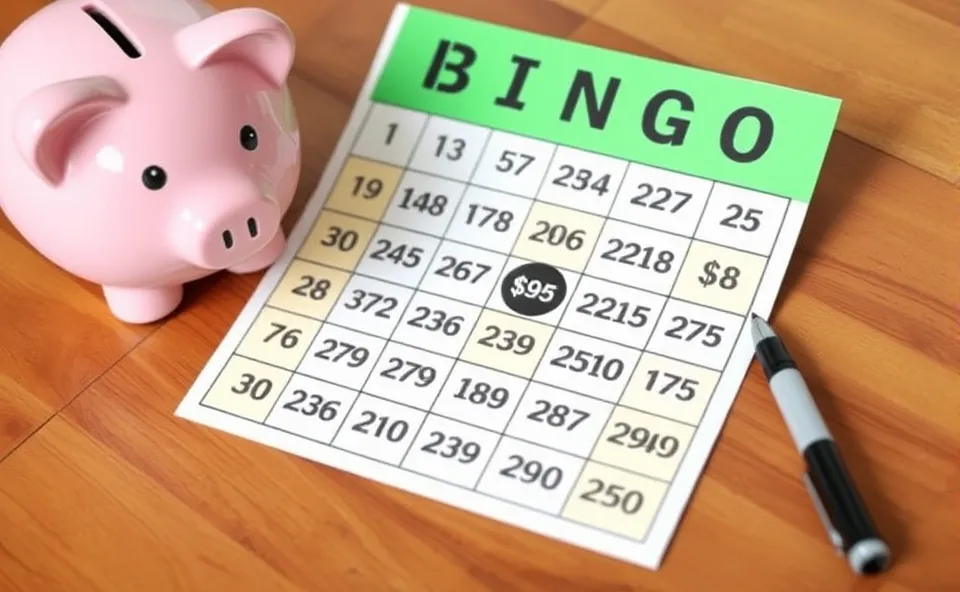
At its heart, the bingo savings challenge is a simple visual tool to gamify your financial goals. You create a grid, usually five by five, where each square represents a specific dollar amount. As you save that amount, you mark the square off. The goal is to fill the board until you hit bingo, or even better, until the entire sheet is covered in checkmarks. It moves your savings journey from a vague idea in your head to a concrete, visual plan sitting on your desk or stuck to your fridge.
Why Everyone Is Playing The Savings Game Right Now
You might notice more people talking about this lately, and there is a good reason for that. We live in an era of digital everything. Our money is just a number on a screen, and that makes it feel abstract. When you do not physically interact with your savings, it is easy to spend that extra twenty dollars without a second thought.
People are craving tangible progress. Between rising costs and the stress of modern life, the bingo savings challenge offers a sense of control. It turns a large, intimidating savings goal into tiny, manageable steps. By breaking a goal of five hundred dollars into smaller chunks of five or ten dollars, you get a quick dopamine hit every time you save. It is a brilliant way to build momentum, and in a world where everything feels overwhelming, that small sense of accomplishment is incredibly addictive.
From Budget Trackers To Paper Boards
This method did not appear out of thin air. It grew out of a long history of personal finance hacks that emphasize manual tracking. Decades ago, people used envelope systems to manage their cash. They would label envelopes for groceries, rent, and savings. If the envelope was empty, the spending stopped. That concept of cash stuffing evolved as people realized that physical engagement with money changes how we perceive it.
Over time, these analog systems merged with modern gamification techniques. People began moving away from boring budget trackers that just list numbers and toward creative, visual tools. The bingo board is the evolution of that desire for clarity. It combines the old school discipline of physical money management with the modern understanding that human beings respond better to visual goals than to abstract digital digits. It is not just about hoarding pennies; it is about building a better relationship with your money by making the process visible.
The Real Impact On Your Wallet
The impact of this challenge goes beyond just having more cash in your account. It changes your behavior. When you have a bingo savings challenge board in front of you, you start looking for ways to fill those squares. Maybe you decide to skip that daily coffee out or prepare a meal at home instead of ordering in. Suddenly, you are not just saying no to a purchase, you are saying yes to a game.
For businesses, this trend shows a shift in how consumers interact with their finances. People are actively looking for tools that provide autonomy. They do not want to be told how to save by a rigid bank app. They want to set their own rules and feel like they are winning at their personal goals. This indicates that financial literacy is becoming more self-directed and social. People share their boards on social media to hold themselves accountable, turning a private struggle into a community event. It is a powerful shift that suggests people want to be active participants in their financial health rather than passive observers.
The Path Ahead For Financial Gamification
Looking ahead, we can expect to see more digital tools integrating these visual savings models. While the paper version is charming and effective, technology will likely start mimicking this behavior more closely. Imagine a banking app that does not just show you a graph of your spending, but gives you an interactive board where you can watch your progress unfold in real time.
However, the core of the bingo savings challenge will remain the same. Its success is rooted in simplicity. Even as technology advances, the psychological need for clear, incremental goals will stay constant. You can expect more people to adopt these creative budget methods as they look for ways to reach their financial milestones without feeling deprived. It is a sustainable approach because it relies on the pleasure of winning rather than the pain of restriction.
Common Questions About The Bingo Savings Challenge
How do I start a bingo savings challenge for the first time?
Start by drawing a five by five grid on a piece of paper. Pick a total goal amount, like five hundred dollars, and divide that across twenty-five squares. You can make the amounts varied, like putting smaller values in the corners and larger ones in the middle. Whenever you have that amount of cash spare, set it aside in a dedicated jar or account and mark off the square. You are now officially participating in the bingo savings challenge.
Are there effective money saving tips to help fill the board faster?
Yes, consistency is key. Look for small, recurring expenses you can cut, like unused subscriptions or impulse snack purchases. Treat the spare change you find in your pockets as a way to tick off the lower-value squares. By focusing on these small, frequent actions, you keep the momentum alive and ensure you are always making progress.
Can this game help me with my long-term financial goals?
Absolutely. While it starts as a simple game, the bingo savings challenge acts as a training ground for better financial habits. It teaches you to prioritize savings over minor spending. Once you master the habit of setting aside money, you can scale the game up to help with larger objectives, like building an emergency fund or saving for a vacation.
How does this compare to traditional digital budget trackers?
Digital trackers are excellent for analyzing past spending, but they can be cold and impersonal. The bingo savings challenge is proactive. It is a goal-oriented tool that keeps you motivated by focusing on the future. Many people find that using both—a digital tool for oversight and a bingo board for motivation—gives them the perfect balance of discipline and excitement.
Is this method effective for saving money fast?
It is very effective for accelerating your savings because it makes you hyper-aware of your spending. When you have a goal pinned to your wall, you find yourself getting creative with how you can save money fast. You might start selling things you do not need or finding ways to earn extra cash just to fill that next square on your board. The game provides the focus needed to move quickly.











