

How the BitTorrent Magic Actually Works
Imagine you want a giant puzzle with a thousand pieces. In the old days of the internet, you had to go to one single store to get that puzzle. If a hundred other people wanted the same puzzle at the same time, the store would get crowded, the line would get long, and eventually, the store might just crash. This is how most downloads used to work. You downloaded a file from one central server, and if too many people tried to do it, the whole thing slowed down to a crawl.
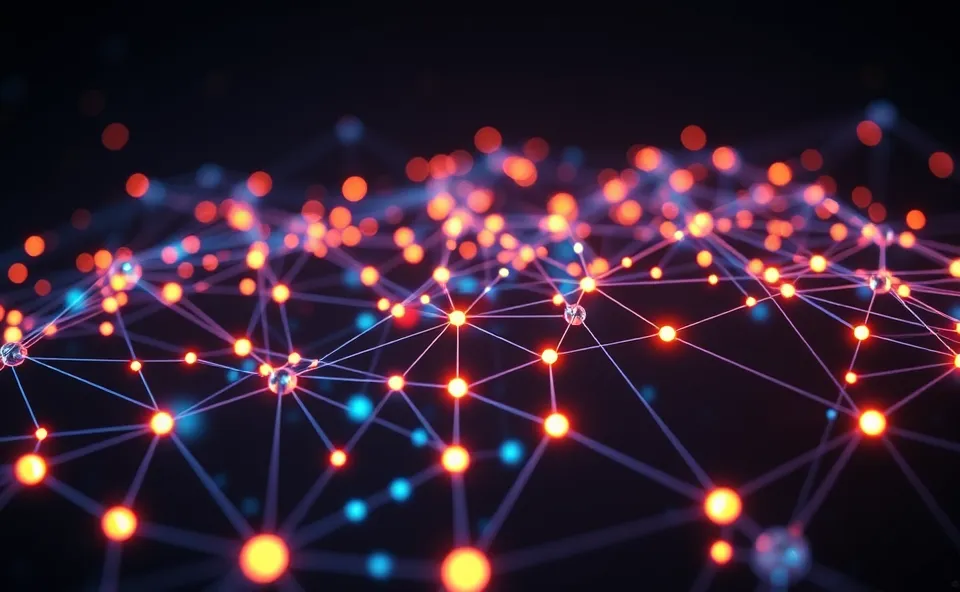
BitTorrent changed the game by turning every person who downloaded the file into a mini store. Instead of getting the whole puzzle from one place, you get a few pieces from one person, a few more from someone else, and some from a third person. As soon as you get a piece, you start giving that piece to others who still need it. This is the core of peer to peer technology.
The beauty of this system is that it gets faster as more people join. In a traditional setup, more users mean more lag. In the world of BitTorrent, more users mean more sources for the data. It turned the internet into a massive, collaborative web of sharing where no single computer had to carry the entire load. This shift made it possible to move massive files across the globe in a fraction of the time it used to take.
Why We are Still Talking About File Sharing Today
You might wonder why we are diving into BitTorrent history in an era of Netflix, Spotify, and iCloud. The reason is that our current digital world was built on the ruins of the file sharing wars. We now take for granted that we can stream a 4K movie instantly, but that convenience only exists because the industry was forced to evolve.
Recently, there has been a renewed interest in how data moves. With the rise of decentralized networks and blockchain, people are looking back at P2P file sharing as the original blueprint for a web that does not rely on giant corporations. We are seeing a cultural shift where people value ownership and decentralization again. Understanding how BitTorrent broke the old system helps us understand how the next version of the internet might be built.
Moreover, the conversation around digital ownership is heating up. As streaming services remove content or change their terms, the idea of having a local, permanent copy of a file feels more appealing. The ghost of the file sharing controversy still lingers because the tension between creators and consumers has not gone away. It has only changed shape.
The Vision of Bram Cohen and the Birth of a Revolution
To understand where this all started, we have to look at Bram Cohen. In the early 2000s, the internet was struggling with distribution. Napster had already shaken the music industry, but it had a major flaw. Napster relied on a central server to keep track of who had which file. When the lawyers arrived and shut down those central servers, the whole system collapsed.
Bram Cohen wanted to create something that could not be killed so easily. He wanted a protocol that was efficient and scalable. In 2001, he released BitTorrent. Unlike previous attempts at sharing, Cohen focused on the mathematics of the transfer. He introduced the idea of choking and unchoking, which basically means the system rewards people who upload. If you share your pieces with others, the network shares pieces with you. If you just take and never give, you get slowed down.
This incentive system was a stroke of genius. It solved the problem of the leech, which is someone who downloads everything but contributes nothing. By making cooperation the fastest way to get a file, Cohen created a self sustaining ecosystem. This was a landmark moment in internet history because it proved that a decentralized network could outperform a centralized one in every meaningful way.
The Chaos and Change Brought to Hollywood
While the technology was a marvel, the digital piracy it enabled was a nightmare for content creators. BitTorrent became the engine for sites like The Pirate Bay, which acted as directories for torrent files. Suddenly, any movie, album, or piece of software could be distributed to millions of people globally within hours of its release.
The Hollywood impact was immediate and severe. Studios saw their DVD sales plummet and their movie theater numbers dip. They reacted with lawsuits and aggressive legal battles. They tried to sue the software creators and even the individual users. However, they quickly realized that you cannot sue a protocol. BitTorrent was just a way of moving data. It was not the content itself.
This clash forced the entertainment industry to make a hard choice. They could either keep fighting a losing battle against math, or they could change how they sold their products. This pressure led directly to the creation of legal digital storefronts and streaming platforms. The industry learned that if you make it easy and affordable for people to access content legally, they will choose that over the hassle of piracy. In a strange way, the chaos of BitTorrent paved the road for the convenience of the modern streaming age.
Where Peer to Peer Technology Goes From Here
The BitTorrent legacy is not just about piracy. Today, the same principles are used in ways that are completely legal and highly efficient. Many game developers use P2P technology to push huge updates to millions of players. Instead of the developer paying for massive server costs, the players help each other download the update.
Looking ahead, we can expect to see these decentralized ideas move into other parts of the web. We are moving toward a future where data is not stored in one giant warehouse owned by a single company. Instead, it will be spread across a global network of nodes. This makes the internet more resilient to outages and censorship.
We will likely see a tighter integration between P2P systems and secure encryption. As privacy becomes a bigger priority, the ability to share information without a middleman will become even more valuable. The goal will not be to steal movies, but to ensure that information remains free and accessible regardless of who controls the servers.
Common Questions About BitTorrent and Sharing
What is the main difference in BitTorrent history compared to Napster?
Napster used a central server to manage the index of files, which made it easy to shut down. BitTorrent used a decentralized approach where users shared pieces of files directly with each other, making it much harder to stop.
How did Bram Cohen change the way files are downloaded?
Bram Cohen introduced a system where the download speed increases as more people join the network. He created a protocol that encourages users to upload while they download, removing the bottleneck of a single central server.
What was the real Hollywood impact of P2P file sharing?
It forced the entertainment industry to abandon outdated physical media and move toward streaming and digital rentals. The widespread digital piracy caused by BitTorrent made the old business model unsustainable.
Is peer to peer technology still used for legal purposes?
Yes, many software companies and game developers use peer to peer technology to distribute large updates efficiently without overloading their own servers.
Why is the file sharing controversy still relevant today?
It is relevant because it started the debate over digital ownership, copyright law, and how creators should be paid in a world where copying data costs nothing.











