

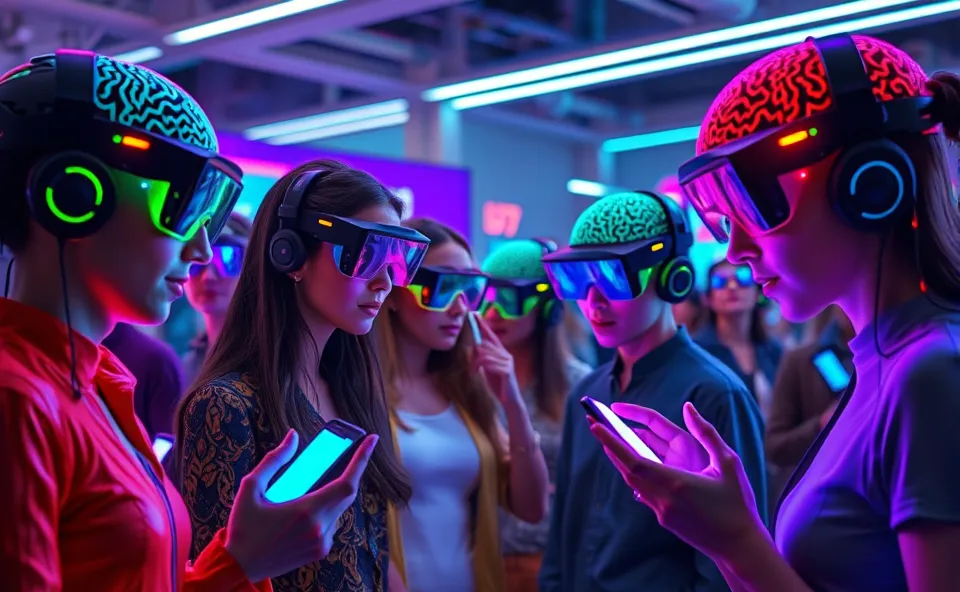
Your Mind is the New Remote Control
Imagine putting on a pair of headphones and having them automatically know when you are deeply focused or when your brain is starting to fry from too many meetings. You do not have to press a button or change a setting. The device just feels it. This sounds like something from a sci-fi movie, but it is becoming a reality thanks to some very clever engineering.
The big news in the world of wearable tech is that a company called Neurable is changing how we think about our gadgets. Instead of just making their own specific products, they have decided to start licensing their noninvasive BCI technology to other companies. In simple terms, Neurable has built the “brain” that can read neural signals, and now they are letting other hardware makers put that brain into their own consumer gadgets.
This is a huge deal because it means brain-scanning tech will not be limited to one expensive, niche headset. Instead, this technology could show up in your favorite brand of earbuds, your gym headphones, or even your smart glasses. By opening up their licensing model, Neurable is essentially providing the blueprint for a whole new category of brain-scanning gadgets that we can actually use in our daily lives.
Why Everyone is Talking About Brain Sensing Now
You might wonder why this is suddenly hitting the mainstream. We have had smartwatches and fitness trackers for years, so why is neurotechnology the new hot topic? The answer is simple: we have reached a limit with how we interact with our devices.
For decades, we have relied on keyboards, mice, touchscreens, and voice commands. While these work, they are all “middlemen.” You have a thought, you move your finger or speak a word, and then the computer does the task. There is a lag there. People are searching for a more direct connection. They want technology that understands their state of mind without needing a physical command.
There are a few reasons why this is trending right now:
- The Productivity Obsession: Everyone wants to optimize their focus. A gadget that can tell you exactly when you are in a “flow state” is an irresistible tool for workers and students.
- The Wearable Boom: We are already comfortable wearing tech on our wrists and ears. Moving the sensors from the wrist to the head is a small leap for the average user.
- Better Sensors: The hardware has finally become small and sensitive enough to work without needing a giant cap covered in sticky gel.
When Neurable announced they would work with third-party hardware creators, it signaled to the market that the tech is ready for prime time. It is no longer a lab experiment. It is now a feature that can be added to a product, just like noise cancellation or water resistance.
How We Got Here
To understand where we are going, we have to look at where we started. For a long time, a brain-computer interface was something you only saw in medical hospitals or high-end research universities. If you wanted to scan your brain, you usually needed an EEG machine, which involves wearing a cap with dozens of wires and electrodes attached to your scalp.
Then came the invasive era. You might have heard of companies putting chips directly into the brain. While that is amazing for helping paralyzed people regain movement, most of us are not exactly lining up to have surgery just to control our Spotify playlists.
This is where the innovation from companies like Neurable comes in. They focused on noninvasive methods. They figured out how to place sensors in the ear cushions of headphones, where they can pick up the electrical activity of the brain through the skin. This approach removes the fear factor and the discomfort. It turns BCI technology into something you can put on and take off as easily as a pair of sunglasses.
By moving the tech from the clinic to the consumer market, they have bridged the gap between complex science and everyday convenience. We went from giant machines to wearable sensors, and now we are moving toward integrated features in standard consumer gadgets.
What This Actually Means for Us
So, what happens when brain-scanning gadgets become common? It is not just about cool tricks. This shift has real implications for how we live and work.
For the average user, this means a massive leap in personalized technology. Imagine a pair of headphones that detects when you are getting stressed and automatically plays calming music. Or a computer that notices your focus is dipping and suggests you take a five minute break before you burn out. The device stops being a tool you operate and starts being a partner that understands you.
For businesses, the impact is even larger. Companies can now build products that respond to the user’s mental state. This opens up new doors for:
- Gaming: Games that change difficulty based on how frustrated or bored the player is.
- Accessibility: People with limited mobility can control their environment or communicate using their thoughts.
- Mental Health: Tools that help people track their anxiety or focus levels over time to find patterns in their well-being.
From a market perspective, the move toward licensing is a genius business play. Neurable does not have to fight a war against giants like Apple or Sony to sell hardware. Instead, they can let those giants use their tech. This accelerates the adoption of neurotechnology because the tech gets embedded into products people already love and trust.
Where Do We Go From Here
Looking ahead, the integration of BCI technology into future tech will likely happen in stages. We will probably see a wave of “performance” gadgets first. These will be marketed to athletes and high-achieving professionals who want to track their cognitive load and optimize their brain power.
After that, we will see the technology blend into the background. We will stop calling them “brain scanners” and just start calling them “smart devices.” You might have a pair of glasses that can highlight an object you are thinking about, or a home system that dims the lights because it senses you are falling asleep.
The goal is seamless interaction. The ultimate version of this is a world where the barrier between our intentions and the machine’s action disappears. We are moving toward a future where the “user interface” is simply the mind itself. While we are still a few years away from full telepathy, the foundation is being laid right now through these consumer gadgets.
Common Questions About Brain-Scanning Tech
What exactly are brain-scanning gadgets?
These are consumer gadgets equipped with sensors that can detect electrical activity in the brain. Unlike medical equipment, these are noninvasive, meaning they sit on the skin and do not require any surgery or implants. They use a brain-computer interface to translate brain waves into data that a computer can understand.
Is Neurable the only company doing this?
There are other players in the neurotechnology space, but Neurable is unique because of its focus on licensing. By allowing third-party hardware companies to use their BCI technology, they are making the tech available in a much wider variety of products than other companies that only sell their own devices.
Are these gadgets safe to use?
Since these are noninvasive brain-scanning gadgets, they do not send electricity into the brain. Instead, they only listen to the electrical signals the brain is already producing. This makes them generally safe for daily use, similar to how a heart rate monitor works on a smartwatch.
How does BCI technology actually work in headphones?
The headphones contain tiny sensors that touch the skin around the ears. These sensors pick up the electrical impulses from your neurons. The software then analyzes these patterns to determine if you are focused, stressed, or relaxed. This is the core of the innovation that allows for a hands-free experience.
When will I be able to buy these consumer gadgets?
Some early versions are already appearing, but the real wave will come as more companies sign licensing deals. Within the next few years, you will likely see this technology integrated into mainstream wearable tech from major electronics brands.











