

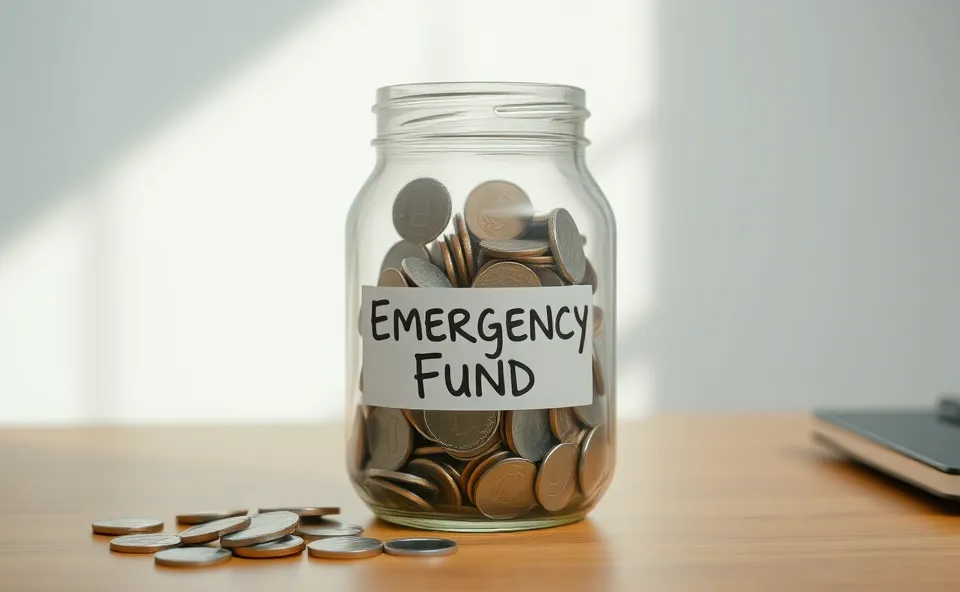
The Idea of a Financial Safety Net
Imagine you are walking outside and it suddenly starts to pour rain. If you have an umbrella, you might get a few drops on your shoes, but you stay mostly dry. You keep moving toward your destination without a huge problem. In the world of money, an emergency fund is that umbrella.
Simply put, an emergency fund is a stash of money set aside specifically for life’s unexpected surprises. We are talking about the things you cannot predict, like a sudden car repair, a broken appliance, or an unexpected medical bill. When these things happen, most people without a fund have to rely on credit cards or loans, which often make the problem worse because of high interest rates.
Learning how to build an emergency fund on a low income is not about having a massive salary. It is about creating a system where you protect yourself from the shocks of daily life. It is not about becoming a millionaire overnight. Instead, it is about reaching a point where a flat tire does not mean you cannot pay rent this month. It is the difference between a minor inconvenience and a total crisis.
Why Everyone Is Talking About Saving Right Now
If you look at social media or news feeds, you will see a huge spike in people searching for savings tips. This is not a coincidence. The cost of living has climbed significantly over the last few years. Groceries, rent, and utilities are all more expensive, leaving many people feeling like their paychecks vanish the moment they hit the bank account.
Many people are realizing that living paycheck to paycheck is an exhausting way to exist. The mental stress of wondering if you can afford a surprise expense is heavy. This collective anxiety has led to a surge in interest regarding money management. People are no longer just looking for ways to make more money, they are looking for ways to keep and protect the money they already have.
There is also a growing awareness of how fragile the job market can be. When companies downsize or industries shift, having a financial safety net becomes a matter of survival rather than a luxury. This is why the conversation has shifted toward practical, small-scale saving habits that anyone can start, regardless of how much they earn.
Practical Steps for Saving on a Budget
When you do not have a lot of extra cash, the idea of saving can feel like a joke. You might look at your bank account and think there is simply nothing left to move. However, budgeting for low income is not about finding a giant pile of money. It is about finding the small leaks and plugging them.
The first step is to get a clear picture of where every cent goes. You cannot manage what you do not measure. For one month, track every single purchase. You might find that small, unnoticed habits are eating away at your ability to save.
Here are some practical ways to start saving on a budget:
- The Micro-Saving Method: Do not try to save hundreds of dollars at once. Start with an amount that feels almost too small to matter, like five or ten dollars a week. The goal here is to build the habit, not the total.
- The Envelope System: Use physical envelopes for different spending categories, like groceries or gas. Once the money in the envelope is gone, you stop spending in that category. This prevents you from dipping into your emergency fund for daily needs.
- Audit Your Subscriptions: Check for old streaming services or app subscriptions you no longer use. Canceling one ten dollar monthly subscription is an instant win for your savings.
- Round Up Your Change: Some people use apps or manual methods to round up their purchases to the nearest dollar and put that spare change into a separate account.
- Shop With a Strict List: Impulse buys at the grocery store are the biggest enemy of a low income budget. Stick to the list to ensure you only buy what you need.
Effective money management is less about willpower and more about the system you create. When you automate your savings, even if it is just a tiny amount every payday, you remove the temptation to spend it.
How a Small Buffer Changes Your Life
The impact of having an emergency savings plan goes far beyond the numbers in a bank account. The most immediate change is psychological. When you know you have a few hundred dollars tucked away, the way you experience the world changes. You stop living in a state of constant fight or flight.
For many, this leads to better financial stability. Without a fund, a small emergency often leads to a predatory loan or a high interest credit card balance. This creates a cycle of debt that is incredibly hard to break. By having a fund, you break that cycle. You pay for the problem in cash, and you move on.
This stability also affects your performance at work and your relationships. It is hard to be a present partner or a focused employee when you are terrified about how you will pay for a sudden dental bill. A financial safety net provides a sense of agency. You are no longer a victim of circumstance. You have a plan, and you have the means to execute it.
The Path Toward Long Term Security
Once you have mastered the habit of saving small amounts, the momentum begins to shift. You will likely find that as you get better at budgeting for low income, you discover more areas where you can optimize your spending.
The logical next step is to scale your fund. Most experts suggest eventually aiming for three to six months of basic living expenses. While that may seem impossible now, remember that you started with ten dollars. The process is a ladder. First, you aim for a small starter fund of five hundred dollars. Once that is hit, you aim for one thousand.
In the future, this habit of disciplined saving becomes the foundation for everything else. Once the fear of emergencies is gone, you can start looking at other goals, such as paying down debt or investing in new skills to increase your income. The emergency fund is the bedrock. Without it, any other financial progress is built on sand.
As you grow more comfortable with money management, you will realize that the most valuable thing you built was not the money itself, but the discipline and confidence to handle whatever life throws at you.
Common Questions About Saving on a Low Income
How do I build an emergency fund on a low income when I have no extra money?
Start by tracking every single expense for thirty days. Look for small areas where you can cut back, even by just a few dollars. Begin by saving a very small, manageable amount, like five dollars a week. The key is to prioritize the habit over the amount.
Where is the best place to keep my emergency savings plan money?
Keep your emergency funds in a separate account from your daily spending. A high yield savings account is often a good choice because it keeps the money accessible but separate, and it earns a little bit of interest over time.
What should I consider a real emergency when using my fund?
A real emergency is something that is unexpected, necessary, and urgent. Examples include a job loss, an essential car repair needed for work, or an urgent medical expense. A sale on a new TV or a holiday gift is not an emergency.
How much should I aim for when budgeting for low income?
Start with a small, achievable goal, such as five hundred dollars. This covers most minor crises. Once you reach that, slowly work your way up to covering one month of expenses, and eventually three to six months.
What are some quick money management tips for beginners?
Use a simple tracking tool or a notebook to record spending. Automate your savings so the money moves before you can spend it. Always shop with a list, and try the envelope method to keep your spending categories in check.











