

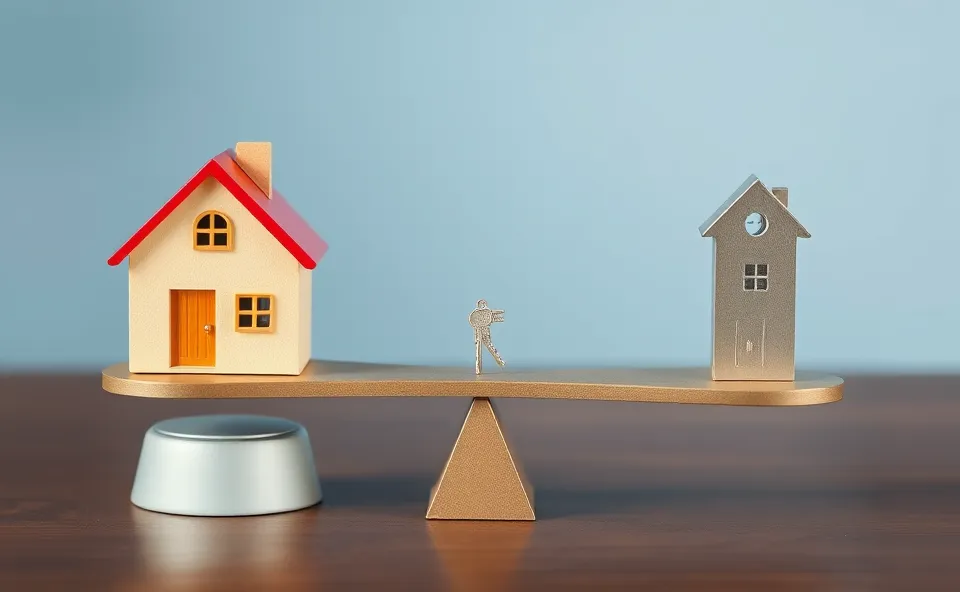
Hey there! We’re diving into a really common, but super important, question that pops up for a lot of us: buying vs. renting. It’s the classic debate, and figuring out which path is right for you can feel like a puzzle. Let’s break it down together, exploring the nitty gritty of renting vs. buying so you can make the best choice for your situation.
Why Are So Many People Talking About Buying vs. Renting Right Now?
It feels like everywhere you turn, people are discussing whether to put down roots with homeownership or stick with the flexibility of renting. This isn’t just a passing fad; it’s a conversation driven by big shifts in the housing market and the economy. Interest rates have been playing musical chairs, the cost of homes has been on a rollercoaster, and job markets are constantly evolving. All these factors make people pause and really think about their living situation. Are they looking for a stable place to build equity and long-term wealth, or do they need the freedom to move easily for career opportunities or a change of scenery? This widespread uncertainty and the significant financial stakes involved naturally lead to more searches for “buying vs. renting explained” and “renting vs. buying pros and cons.”
A Look Back: How Did We Get Here?
For generations, the dream of homeownership was a cornerstone of the American (and many other cultures’) ideal. Owning a home was often seen as the ultimate symbol of success and a reliable way to build financial security. The idea was simple: you pay your mortgage, build equity, and eventually, you own a valuable asset outright. Renting, on the other hand, was often viewed as throwing money away, a temporary solution until you could afford to buy. However, the landscape has been shifting. In recent years, we’ve seen periods of incredibly low interest rates making mortgages more accessible, followed by rapid price increases in many areas that put homeownership out of reach for many. Simultaneously, the rental market has also seen its ups and downs, with rising rents in some cities making the math for buying seem more attractive, while in others, renting remains the more budget-friendly option. Understanding this historical context—the aspirational value of owning and the changing economic realities—is key to grasping why the buying vs. renting decision is so complex today.
What Does This Decision Mean for You?
Deciding between buying vs. renting has a huge impact on your finances, your lifestyle, and your future. Let’s unpack the core differences:
The Case for Buying: Building Your Own Corner of the World
When you buy a home, you’re not just getting a place to live; you’re making a significant real estate investment. The biggest draw is building equity. Every mortgage payment you make, a portion goes towards paying down your loan, and that’s money you “own” in your home. Over time, this equity can grow, especially if your property values increase. This is how many people build substantial long-term wealth.
- Financial Pros:
- Equity Building: You’re essentially paying yourself over time.
- Potential Appreciation: Homes can increase in value, adding to your net worth.
- Tax Benefits: Homeowners can often deduct mortgage interest and property taxes (though this varies).
- Stability & Customization: You can paint that accent wall, renovate the kitchen, and know you won’t have to move on short notice.
- Financial Cons:
- Large Upfront Costs: You’ll need a down payment, closing costs, and money for moving.
- Ongoing Expenses: Beyond the mortgage, you’re responsible for property taxes, homeowners insurance, and unexpected repairs.
- Maintenance Costs: Leaky faucets, new roofs, or HVAC issues all fall on your shoulders.
- Less Flexibility: Selling a home can be a lengthy and costly process, making it harder to relocate quickly.
The Case for Renting: Freedom and Predictability
Renting offers a different set of advantages, primarily centered around flexibility and predictable monthly costs. When you rent, your monthly payment usually covers your housing and not much else. Your landlord handles major repairs and maintenance, which can be a huge relief and a significant cost saver.
- Financial Pros:
- Lower Upfront Costs: Typically, you only need a security deposit and the first month’s rent.
- Predictable Monthly Expenses: Your rent is usually fixed for the lease term, making budgeting easier.
- No Repair Bills: Your landlord is responsible for most maintenance and repairs.
- Flexibility: Moving is generally easier when your lease is up, ideal for job changes or a desire for a new city.
- Financial Cons:
- No Equity Building: Your monthly payments don’t contribute to owning an asset.
- Rent Increases: Landlords can raise rent at the end of your lease term.
- Limited Customization: You usually can’t make significant changes to the property.
- No Tax Benefits: Rent payments are typically not tax deductible.
Beyond the numbers, consider your lifestyle. Do you travel a lot? Are you planning to move for a job in the next few years? Do you want the freedom to adopt that large dog without asking permission? These personal considerations are just as important as the financial implications when deciding between buying vs. renting.
What’s Next on the Horizon for Renting vs. Buying?
Looking ahead, the dynamic between buying vs. renting is likely to continue evolving. We might see more innovative housing solutions emerge, like co-living spaces or fractional ownership models, offering alternatives that blend elements of both. The housing market will always have its cycles, and economic conditions will continue to influence mortgage rates and home prices. What’s certain is that the decision of whether to rent or buy will remain a deeply personal one, influenced by individual financial goals, life stages, and local market conditions. Technology might also play a role, with more digital tools helping buyers and renters navigate the process more efficiently. Ultimately, the focus will likely remain on finding stable, affordable housing solutions that meet diverse needs.
Got Questions About Buying vs. Renting?
Is buying vs renting always a clear choice for building long-term wealth?
Generally, homeownership is often considered a key way to build long-term wealth due to equity building and potential property appreciation. However, renting can also allow you to invest the money you save on down payments and other homeownership costs into other assets, which could also lead to wealth creation. The best path depends heavily on market conditions, individual financial discipline, and how long you plan to stay in a place.
What are the biggest financial implications of buying vs renting?
For buying, the biggest financial implications involve the large upfront costs like a down payment and closing fees, ongoing expenses like property taxes and insurance, and the responsibility for all repair and maintenance costs. For renting, the primary financial implication is that your monthly payments do not build equity, and you may face unpredictable rent increases at lease renewals. It’s a trade-off between asset building and predictable cash outflow.
How does the current housing market affect the renting vs. buying decision?
A hot housing market with rapidly increasing prices and high demand can make buying seem challenging due to affordability issues and competition for properties. Conversely, high rents in that same market might push people towards buying. If the market cools with stable or declining prices, buying might become more attractive. Understanding local housing market trends is crucial for making an informed choice on renting vs. buying.
Can I afford to buy a home, or is renting a better option for my budget right now?
This depends entirely on your personal financial situation, including your income, savings for a down payment and closing costs, monthly debt obligations, and the cost of housing in your desired area. Many online calculators can help you estimate what you might afford for a mortgage, but comparing that to current rental rates for similar properties is key to deciding if buying or renting is more budget-friendly for you.
What is equity and how does it relate to buying vs renting?
Equity is the portion of your home that you truly own. When you buy a home with a mortgage, you start with little to no equity. As you make mortgage payments, a part of each payment reduces the principal loan amount, increasing your equity. Renting, on the other hand, does not allow you to build any equity because you are not purchasing the property. The concept of equity is a fundamental differentiator in the financial implications of buying vs. renting.











