

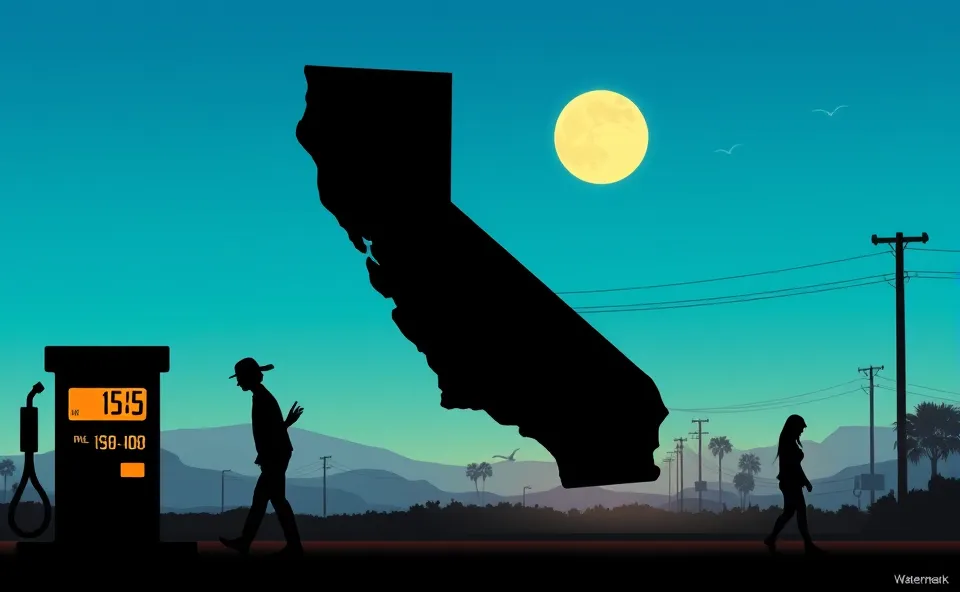
California’s Tightening Grip: What It Means for Your Wallet
Let’s talk California. It’s a state many dream of, a place of innovation and opportunity. But lately, a lot of folks are talking about something else entirely: how the state’s political landscape seems to be impacting the everyday lives of middle-class families, especially when it comes to the sheer cost of just living there. Critics point to a few key areas, and one that keeps coming up is the price at the pump, heavily influenced by what many see as high gas taxes. This isn’t just about filling up your car; it’s about how this affects everything from your commute to the grocery bill.
Why Are We Talking About This Now?
The reason this topic is buzzing right now is pretty straightforward. People are feeling the pinch. Inflation has been a global conversation, but in California, the rising cost of living feels particularly acute for many middle-class families. When you combine general economic trends with specific state policies, like those affecting fuel prices, the impact becomes very real, very fast. It’s a cycle where every dollar stretches a little thinner, and people are naturally looking for reasons and answers, often focusing on the economic policy decisions made at the state level. The ongoing discussions about the California economy and its political governance are heating up because the effects are being felt in daily life.
A Little Bit of History: How Did We Get Here?
To understand the current situation, it helps to look back a bit. California has a long history of being a trendsetter, not just in technology but also in policy. For a significant period, the state has seen a dominant political party shape its laws and budget. This kind of consistent political governance, critics argue, can lead to a concentration of policy decisions that might not always align with the immediate financial needs of all its residents. For instance, initiatives aimed at environmental protection or funding state infrastructure often come with significant costs, and these costs are frequently passed on through various taxes and fees. The gas tax, in particular, has been a point of contention for years, with successive administrations facing pressure to fund road repairs and transportation projects, often leading to higher fuel prices for drivers. This background is crucial because it shows that the current economic challenges aren’t entirely sudden; they’re often the result of long-standing approaches to state budget and economic policy.
The Real World Impact: What Does This Mean for You?
So, what’s the actual fallout from these policies and the general economic climate in California? For middle-class families, it often translates into difficult choices. Let’s break down some of the key impacts:
- Daily Commutes Get Pricier: That drive to work, to school, or to the grocery store becomes a more significant expense. Higher fuel prices mean less money for other essentials or discretionary spending. This is a direct consequence of fuel prices that are often higher than in other states, a situation many attribute to the state’s gas tax structure.
- Ripple Effect on Goods and Services: When it costs more to transport goods, those costs get passed on. Everything from the food on your table to the clothes you buy can see price increases. This contributes to the broader inflation picture, making everyday items less affordable.
- Strained Household Budgets: With higher costs for transportation, housing, and goods, many families find their budgets stretched thinner than ever. This can mean cutting back on activities, delaying purchases, or dipping into savings. The rising cost of living becomes a constant source of stress.
- Impact on Small Businesses: It’s not just families. Small businesses in California also face higher operating costs due to transportation expenses and other fees. This can make it harder for them to compete and grow, which in turn affects local economies and job markets.
- Potential for Economic Slowdown: When a significant portion of the population has less disposable income, consumer spending can decrease. This can have a dampening effect on the overall California economy, potentially slowing down growth and innovation.
Critics of California’s current political governance often highlight these factors as direct results of specific economic policies, particularly the consistent approach to taxation and regulation that drives up the cost of living. The one-party rule, as some see it, allows for sustained implementation of certain policies without significant pushback, leading to these long-term economic effects for middle-class families.
Looking Ahead: What Might the Future Hold?
Predicting the future is always tricky, especially in politics and economics. However, we can look at trends and understand potential trajectories. If the current political governance in California continues with its existing economic policy framework, it’s reasonable to expect that the cost of living pressures for middle-class families might persist, particularly concerning transportation costs influenced by gas taxes. However, there’s also the possibility of shifts in policy. Increased public pressure or changing economic conditions could lead to adjustments. For example, policymakers might explore different ways to fund infrastructure without relying so heavily on per-gallon fuel taxes, or they might introduce new initiatives to ease the financial burden on families. The health of the broader California economy will also play a significant role. A booming economy can absorb higher costs better than a struggling one. Ultimately, the future outlook depends on the state’s ability to balance its policy goals with the economic realities faced by its residents.
Frequently Asked Questions
What is the primary concern regarding California’s political governance and its economic impact?
The primary concern for many middle-class families in California revolves around the rising cost of living, which critics link to the state’s political governance and specific economic policies, particularly high gas taxes and their impact on daily expenses.
How do gas taxes specifically affect the cost of living in California?
California’s gas taxes are among the highest in the nation. These taxes directly increase fuel prices, making it more expensive for families to drive. This cost then ripples through the economy, as it costs more to transport goods, leading to higher prices for everyday items and services, thus increasing the overall cost of living.
Is California’s one-party rule directly responsible for inflation?
While one-party rule can influence economic policy, inflation is a complex issue with global factors at play. However, critics argue that specific state economic policies, often enacted under consistent political governance, can exacerbate inflationary pressures or contribute to a higher cost of living for residents, especially when it comes to things like fuel prices.
What are the main challenges faced by middle-class families in the California economy?
Middle-class families in the California economy are often challenged by a combination of high housing costs, increased fuel prices due to gas taxes, and the general rising cost of living. This puts a strain on household budgets, making it harder to save and manage expenses.
What role does the state budget play in the economic impact on families?
The state budget reflects the priorities and economic policies of the government. Decisions made regarding taxation, spending, and revenue collection directly influence the financial landscape for individuals and businesses. For instance, how the state budget allocates funds for infrastructure or social programs can indirectly affect the cost of living and the economic well-being of middle-class families.











