Why Drivers Are Craving Invisible Automotive Technology
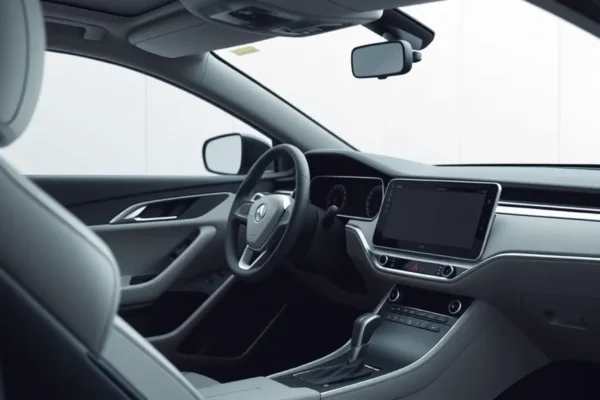
The sleek, minimalist dashboard has become a new frontier in automotive design. Gone are the days when complex arrays of buttons and dials were a sign of advanced engineering. Today, drivers are increasingly valuing a more intuitive and less distracting approach to in-car technology. This shift is clearly reflected in recent industry surveys, which highlight a growing preference for what can be termed “invisible” automotive technology over the often-criticized labyrinth of touchscreens and glitchy infotainment systems. This means technology that works seamlessly in the background, enhancing the driving experience without demanding constant attention.
The Shift Towards Seamless Integration
The core innovation here is the move from overt, screen-dependent interfaces to integrated systems that anticipate needs and respond intelligently. This isn’t about removing technology; it’s about making it more human-centric. The problem it solves is the growing complexity and distraction inherent in many modern car tech setups. For years, vehicle innovation has focused on packing more features, often leading to systems that are difficult to navigate, prone to errors, and detract from the primary task of driving. Companies like BMW with their iDrive system, and more recently Tesla, have experimented with centralized touchscreens. However, recent findings from JD Power’s U.S. Tech Experience Index (TXI) Study consistently show that while advanced features are desired, their implementation, particularly within infotainment systems, often leads to frustration. The latest findings continue to underscore that drivers want technology to assist, not overwhelm.
How Invisible Tech Works Its Magic
Invisible automotive technology operates on the principle of ambient intelligence. Instead of requiring direct manipulation, it uses a combination of sensors, artificial intelligence (AI), and sophisticated algorithms to understand the driver’s intent and the surrounding environment. Think of it like a skilled co-pilot who subtly adjusts the climate based on outside temperature, suggests a more efficient route based on real-time traffic, or activates driver assist features before you even realize you need them. Key technical elements include advanced sensor fusion, where data from cameras, radar, lidar, and ultrasonic sensors are combined to create a comprehensive understanding of the vehicle’s surroundings. Machine learning algorithms then process this data, learning driver preferences and predicting future actions. For example, driver assist systems that automatically maintain lane position or adaptive cruise control that adjusts speed based on traffic flow are prime examples. These systems work best when they are intuitive, requiring minimal input from the driver, thus creating a smoother and safer driving experience.
Invisible Tech on the Road Today
While the concept of fully “invisible” tech might sound futuristic, many elements are already present in mainstream vehicles. Advanced Driver Assistance Systems (ADAS) are a prime example. Features like blind-spot monitoring, automatic emergency braking, and cross-traffic alerts are designed to work quietly in the background, intervening only when necessary. Companies like Volvo have long championed safety through integrated systems, and today their vehicles are equipped with a suite of ADAS features. Tesla’s Autopilot, despite its name, relies heavily on sophisticated sensor arrays and AI for lane keeping and adaptive cruise control. The automotive trends clearly indicate a move towards more integrated driver assist features. These are no longer niche offerings; they are increasingly standard on mid-range and premium vehicles, becoming a key selling point in car sales across the globe.
The Competitive Race for Intuitive Interiors
The quest for superior user experience in automotive technology is a fiercely competitive arena. Traditional automakers like General Motors with its Super Cruise and Ford with its BlueCruise are investing heavily in developing their own advanced driver assistance systems and refining their infotainment interfaces. Tech giants are also entering the fray. Apple’s CarPlay and Google’s Android Auto aim to bring familiar smartphone interfaces into the car, but the challenge lies in integrating them seamlessly with vehicle hardware and avoiding the “glitchy software” issues that plague some proprietary systems. Competitors are differentiating themselves by focusing on the depth of integration and the intuitiveness of their AI. Those that can achieve a true sense of predictive assistance, where the car understands and acts on the driver’s needs with minimal explicit command, will gain a significant advantage. The key differentiator is moving beyond simply displaying information to proactively enhancing the driving journey.
Reshaping How We Drive and Interact
The rise of invisible automotive technology has profound implications. For consumers, it promises a safer, less stressful, and more enjoyable driving experience. It could democratize advanced safety features, making them accessible to a wider range of drivers. Economically, it fuels innovation in AI, sensor technology, and software development, creating new job markets and business models focused on in-car services and data analytics. Socially, it has the potential to reduce road accidents and improve overall traffic flow. However, concerns about data privacy and the reliance on complex software systems that could be vulnerable to cyber threats are also part of the conversation. In the short term, we’ll see an increasing adoption of sophisticated ADAS. In the long term, this could pave the way for fully autonomous driving, fundamentally altering urban mobility and car ownership.
Navigating the Hurdles to True Invisibility
Despite the promise, significant limitations and challenges remain. The primary hurdle is the complexity of real-world driving environments. AI systems can struggle with unpredictable scenarios, such as erratic pedestrian behavior or extreme weather conditions, leading to occasional malfunctions. The “glitchy software” problem persists; updates can introduce new bugs, and the integration of numerous electronic control units (ECUs) in modern cars can lead to compatibility issues. Cost is another barrier; advanced sensors and processing power are expensive, often making these features standard only on higher trim levels. Furthermore, regulatory frameworks are still evolving to keep pace with the rapid advancements in vehicle autonomy and driver assistance, creating uncertainty for widespread adoption. Public trust also needs to be built, as drivers become more comfortable handing over certain driving tasks to the car.
The Horizon of Effortless Driving
The future trajectory of automotive technology is clearly towards greater integration and intuition. We can expect to see continued advancements in AI algorithms, enabling vehicles to better understand context and driver intent. Sensor technology will become more robust, affordable, and capable, allowing for more comprehensive environmental awareness. The development of over-the-air (OTA) updates will become even more critical, allowing manufacturers to improve software performance and introduce new features remotely, addressing the “glitchy software” concerns. Key developments to watch include enhanced predictive capabilities in driver assist systems, more sophisticated in-cabin monitoring to gauge driver attention, and a deeper integration of vehicle systems with smart city infrastructure. The timeline for truly pervasive “invisible” technology is ongoing; many foundational elements are here, but the seamless, predictive experience described is still several years away from being a universal standard.
Frequently Asked Questions
What is “invisible” automotive technology?
“Invisible” automotive technology refers to in-car systems that work seamlessly in the background, enhancing the driving experience without requiring constant driver interaction, unlike complex touchscreens or distracting infotainment systems. This is a key aspect of modern vehicle innovation.
Are driver assist systems considered invisible technology?
Yes, advanced driver assist systems (ADAS) like adaptive cruise control and blind-spot monitoring are prime examples of invisible automotive technology because they operate autonomously to enhance safety and comfort without direct driver input.
Why do drivers dislike current infotainment systems?
Drivers often dislike current infotainment systems due to their complexity, poor user interface design, and the prevalence of glitchy software that can lead to frustrating user experiences, as noted in car tech surveys.
Is this technology available in cars today?
Many elements of invisible automotive technology, particularly driver assist features, are available in a wide range of new vehicles today, with increasing adoption across different segments.
What are the benefits of invisible automotive technology for drivers?
The primary benefits include enhanced safety through proactive intervention, reduced driving stress, and a more intuitive and enjoyable user experience, moving beyond the limitations of traditional car tech surveys focused on feature count.
What are the limitations of this technology?
Current limitations include the AI’s ability to handle highly unpredictable situations, the persistence of glitchy software, the high cost of advanced sensors, and the need for regulatory frameworks to catch up with the pace of smart vehicles and automotive trends.
Please note that the development and deployment of advanced automotive technology are ongoing. Capabilities and timelines can vary significantly between manufacturers and specific vehicle models. This analysis is based on current industry trends and research findings, including reports from JD Power.