

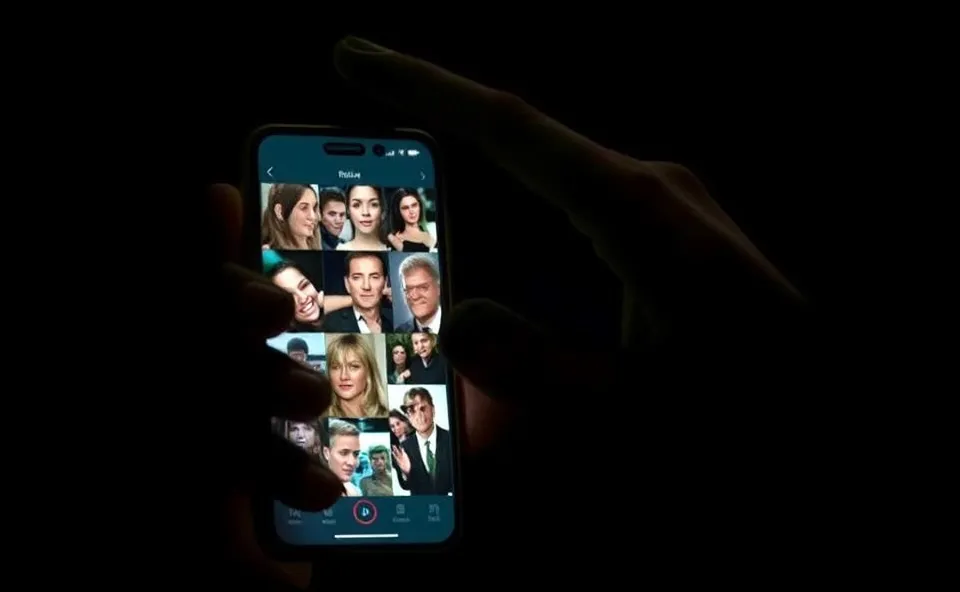
A Digital Nightmare for the Famous
Imagine waking up to find that your most private conversations, your secret photos, and your daily habits are being watched in real time. For one European celebrity, this became a living reality. A researcher recently uncovered a disturbing case where a high profile individual was targeted by something far more sinister than a simple hack. They were the victim of stalkerware.
In this case, the attacker did not use a complex piece of government grade code. Instead, they used a commercially available app designed to track people. Once the software was on the phone, the attacker had a front row seat to everything. This led to the leak of sensitive phone screenshots that revealed intimate details of the celebrity’s life. These were not just random leaks. They were curated snapshots of private messages and intimate photos meant to cause maximum emotional damage and public embarrassment.
This is a classic privacy breach, but it feels personal because it happens on the device we trust most. The smartphone is like a digital diary. When that diary is stolen and read aloud to the world, the psychological impact is devastating. The researcher who flagged the issue noted that the level of access granted to the attacker was absolute. They could see who the victim was talking to, what they were saying, and where they were at any given second.
Why This Story Is Everywhere Right Now
You might wonder why this specific incident is trending. On the surface, people are naturally curious about the lives of a celebrity. However, the real reason this is sparking so many conversations is the realization that these tools are available to almost anyone. This is not just a story about a famous person. It is a warning for everyone with a smartphone.
The internet is currently buzzing because the line between parental monitoring and digital stalking has blurred. Many of the apps used in these attacks are marketed as tools for parents to keep their children safe. But in the wrong hands, they become weapons. When people see celebrity phone screenshots floating around, they start to ask if their own devices are compromised.
There is also a growing fascination and fear regarding online security. We spend our entire lives on our phones. We bank, we love, and we work there. The idea that a hidden piece of spyware could be recording our every move is a nightmare scenario that resonates with the general public. It turns a celebrity gossip story into a broader conversation about digital autonomy and safety.
The Hidden World of Stalkerware
To understand how this happens, we need to look at what stalkerware actually is. It is a specific type of spyware that is designed to be invisible. Unlike a virus that might slow down your phone or show you weird ads, stalkerware wants to stay hidden. Its only goal is to collect data without the user ever knowing.
Most of the time, this software requires physical access to the phone for a few minutes. An attacker might borrow a phone under a false pretense or use a passcode they already know. Once installed, the software works in the background. It can:
- Capture phone screenshots of any app being used.
- Log every single keystroke, including passwords.
- Read private messages from encrypted apps.
- Track the GPS location in real time.
- Activate the microphone or camera remotely.
For a long time, the tech industry treated this as a niche problem. But as these apps became cheaper and easier to install, the scale of the problem grew. The European celebrity mentioned earlier was simply a high profile example of a trend that affects thousands of people, often in domestic abuse situations. The tools are designed to empower a controller and strip the victim of their privacy.
The Real Cost of Data Exposure
When we talk about a privacy breach, we often think about credit card numbers or email addresses. But the impact of this kind of data exposure is much deeper. When intimate photos and private messages are leaked, the damage is not financial. It is emotional and social.
For the victim, the feeling of being watched is a form of psychological torture. Knowing that someone has access to your phone screenshots means you have no safe space left. Even if you change your passwords, the spyware is still there, watching you change them. This creates a state of constant anxiety and paranoia.
Beyond the individual, this trend impacts the wider tech market. It puts immense pressure on companies like Apple and Google to build better defenses. For years, mobile operating systems focused on blocking external hacks. Now, they have to figure out how to protect users from someone who has physical access to the device. This shift in focus is changing how online security is developed, leading to more aggressive notifications when an app uses the camera or microphone in the background.
Where Do We Go From Here
Looking ahead, we are likely to see a major crackdown on the companies that sell this software. For too long, these developers have hidden behind the excuse of parental control. However, governments are starting to realize that these apps are primary tools for harassment. We can expect stricter regulations and potentially criminal charges for those who sell spyware without clear, transparent consent from the device owner.
Technologically, we will see more built in safety features. We are already seeing the start of this with safety checks and privacy dashboards that tell you exactly which apps have access to your data. In the future, phones might use AI to detect the specific behavioral patterns of stalkerware, such as unusual data uploads to an unknown server in the middle of the night.
The most important change, however, will be in user awareness. The more we talk about these nightmare scenarios, the more people will realize that a passcode is not enough. We will likely see a rise in the use of hardware security keys and more sophisticated biometric locks to ensure that physical access to a phone does not mean total access to a life.
Common Questions About Digital Privacy
What exactly is stalkerware and how is it different from a virus?
While both are types of spyware, a virus usually wants to steal money or crash a system. Stalkerware is designed specifically to monitor a person. It stays hidden and sends data like phone screenshots and location history to a specific person rather than a random hacker.
How can I tell if my phone has spyware on it?
Look for warning signs such as your battery draining much faster than usual, the phone feeling hot when you are not using it, or seeing strange apps that you do not remember installing. Some phones now have privacy indicators, like a small dot at the top of the screen, that show when the mic or camera is active.
Can a celebrity prevent their phone screenshots from being leaked?
No one is 100 percent safe, but they can reduce the risk. Using strong, unique passcodes, keeping software updated, and avoiding letting others use their device unattended are key. Some also use specialized secure folders for intimate photos and private messages.
Is a privacy breach only a problem for famous people?
Not at all. While a celebrity gets the headlines, stalkerware is frequently used in domestic abuse cases. Anyone can be a victim if someone they trust gains physical access to their device for a short period.
What should I do if I think I am a victim of stalkerware?
The first step is to avoid alerting the attacker. If they know you found the software, they may try to wipe the phone remotely to hide their tracks. It is best to go to a professional security researcher or a trusted tech expert to document the evidence before performing a factory reset.











