

Changan is Building Cars in Brazil: What’s the Big Deal?
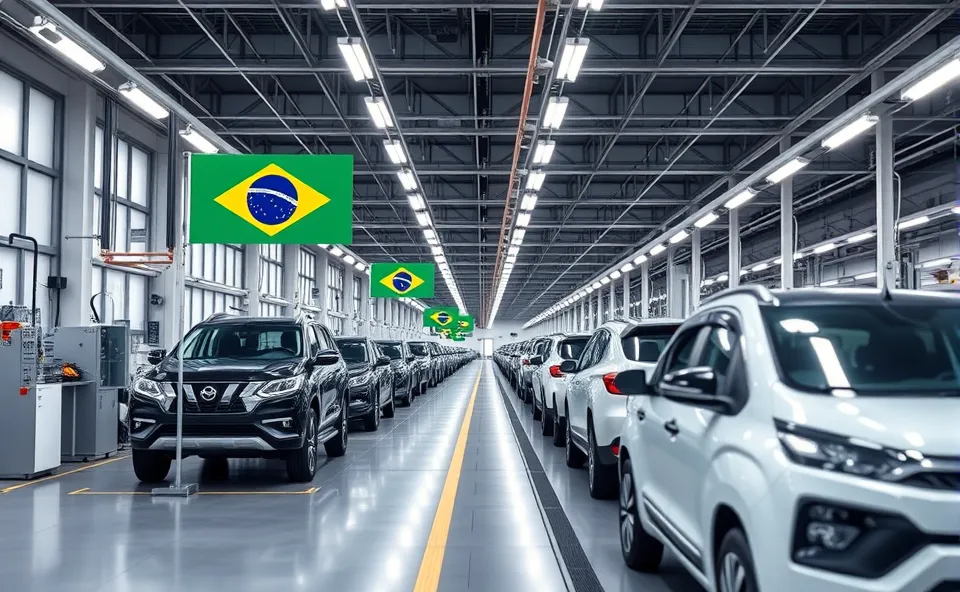
Hey there, ever hear about big companies from far away deciding to set up shop and start making things right here at home? Well, that’s exactly what’s happening with Changan, a major player in the global automotive world. They’re kicking off new vehicle production in Brazil, and it’s a move that’s catching a lot of eyes. Instead of just shipping cars into Brazil from other countries, Changan is now going to be building them on Brazilian soil. This isn’t just a small change; it’s a huge step for Changan Motors and a significant moment for the automotive industry in South America. Think of it as a clear signal that Changan is doubling down on its commitment to the region, moving from an importer to a local manufacturer with its own manufacturing plant.
This decision means more than just a new factory. It’s about jobs, local supply chains, and a whole new dynamic for how cars are made and sold in the country. It shows a deeper investment, planting roots that will allow Changan to tailor its vehicles specifically for the Brazil auto market, making them more competitive and appealing to local drivers. It’s a big, bold step, and one that could shake up the established order of things.
Why Everyone’s Talking About Changan’s Brazil Move Right Now
You might be wondering why this particular piece of news about Changan starting vehicle production in Brazil is making waves right now. It’s because it perfectly fits into several bigger trends that are shaping our world. For starters, there’s a huge shift happening in the global automotive industry. New players are emerging, especially from China, and they’re bringing fresh ideas, technologies, and competitive pricing to markets that have long been dominated by traditional brands.
Brazil, with its massive economy and large population, is a hugely attractive market for automakers. It’s a place where many people are looking for reliable, affordable, and feature-rich cars. Changan’s decision to build vehicles locally means they can better tap into this demand. It also reflects a broader trend of foreign investment flowing into developing economies, aiming to create local production bases rather than relying solely on imports. This kind of direct investment creates local jobs and helps boost the country’s economic development, making it a win-win situation that garners a lot of attention.
People are also fascinated by the idea of new competition. When a major player like Changan Motors decides to ramp up its South American expansion by building a manufacturing plant, it signals potential changes for consumers and existing car companies alike. Everyone wants to know what this will mean for car prices, choices, and even the types of technology we’ll see in new vehicles. It’s not just a business decision; it’s a story about global ambition meeting local opportunity.
A Quick Look Back: Changan’s Journey to Brazilian Shores
To really understand the significance of Changan’s new vehicle production launch, it helps to rewind a little. Changan Motors isn’t some small startup. It’s one of China’s “Big Four” state-owned automobile manufacturers, with a history stretching back over 160 years, though its automotive roots are more recent. They’ve grown into a giant, producing millions of vehicles annually for their home market and increasingly for export around the globe.
For quite some time, Changan, like many other international brands, approached the Brazil auto market primarily through imports. This strategy allowed them to test the waters, introduce their models, and build brand recognition without the massive upfront cost of setting up a local manufacturing plant. However, importing vehicles comes with its own set of challenges, including tariffs, logistical complexities, and less control over local market adaptation.
Brazil itself has a long and storied history in the automotive industry, having been a major production hub for global brands for decades. But the market is always evolving. As Chinese automakers gained more global experience and scale, and as the Brazilian economy showed signs of resilience and growth, the logic of deeper foreign investment became clearer. For Changan, the transition from simply selling cars in Brazil to actually producing them there is a natural evolution, marking a maturity in its global strategy and a greater commitment to its South American expansion. It’s about moving closer to the customer and becoming a more integrated part of the local economic fabric.
What Changan’s Local Vehicle Production Means for Everyone
So, what’s the real impact of Changan beginning vehicle production in Brazil? This isn’t just another news headline; it has tangible effects across various sectors.
For Brazilian Consumers
- More Choice: Get ready for an expanded range of vehicles. Changan Motors is known for offering modern designs and features, often at competitive price points. This means more options when you’re looking for a new car.
- Competitive Pricing: Producing vehicles locally helps avoid import taxes and reduces logistics costs. This savings can often be passed on to the consumer, potentially driving down prices across the Brazil auto market as other brands respond to the increased competition.
- Tailored Vehicles: With local manufacturing, Changan can better adapt its models to Brazilian roads, fuel types, and consumer preferences, offering vehicles that are a better fit for local needs.
For the Brazilian Economy
- Job Creation: A new manufacturing plant means new jobs – not just in the factory itself, but also in supporting industries, from parts suppliers to logistics and sales. This is a significant boost for economic development.
- Local Supply Chains: Changan will likely source many components locally, fostering growth in Brazil’s automotive supply chain and creating opportunities for local businesses.
- Foreign Investment: This move represents substantial foreign investment, signaling confidence in Brazil’s economic future and attracting further investments.
For the Automotive Industry
- Increased Competition: Existing automakers in Brazil will face intensified competition. This could lead to faster innovation, more aggressive pricing strategies, and better service across the board.
- Shifting Dynamics: Changan’s deepened presence further shifts the global automotive industry landscape, highlighting the growing influence of Chinese manufacturers in key emerging markets. It underscores a trend of South American expansion for Asian brands.
- Innovation and Technology Transfer: New manufacturing plants often bring modern production techniques and technologies, which can benefit the entire local automotive ecosystem.
What’s Next for Changan and the Brazil Auto Market?
Looking ahead, Changan’s new vehicle production in Brazil isn’t just a one-off event; it’s the start of a new chapter. We can expect several logical developments as Changan Motors solidifies its local presence. Firstly, Changan will likely focus on ramping up production efficiently at its manufacturing plant, ensuring quality and meeting initial market demand. This involves building a robust local workforce and refining supply chain logistics.
Following a successful launch, we might see Changan expand its model lineup produced in Brazil. This could mean introducing more vehicle segments, including a wider range of SUVs, sedans, and possibly electric or hybrid vehicles, catering to the evolving preferences of the Brazil auto market. They will also be working hard to build and strengthen their dealer network across the country, ensuring easy access to sales and after-sales service for consumers.
From a broader perspective, this move positions Brazil as a potential regional hub for Changan’s South American expansion. Once production is stable and efficient, Changan might consider exporting vehicles made in Brazil to neighboring countries, further leveraging its foreign investment and local production capabilities. This would not only boost Brazil’s export economy but also solidify Changan’s foothold across the continent. Competitors will surely be watching closely, potentially accelerating their own plans for new models or local investments to maintain their market share. All these factors contribute positively to Brazil’s economic development and its role in the global automotive industry.
Your Questions About Changan’s Brazil Vehicle Production Answered
Here are some common questions people have about Changan’s significant move:
What exactly does Changan’s new vehicle production in Brazil mean?
It means that Changan, a major Chinese automaker, will no longer just import cars into Brazil. Instead, they are setting up a manufacturing plant within Brazil to build vehicles locally. This represents a deeper commitment to the market and a significant foreign investment.
Why is Changan making this move to Brazil now?
Changan is investing in Brazil to better serve the Brazil auto market, avoid import tariffs, reduce logistics costs, and tailor vehicles specifically for local consumer preferences. It’s part of their broader South American expansion strategy and reflects the growing importance of local production for global automotive industry players.
How will this impact the automotive industry in Brazil?
Changan’s local vehicle production will intensify competition within the Brazil auto market, potentially leading to more competitive pricing and a wider range of vehicle choices for consumers. It will also create jobs, boost local supply chains, and contribute to Brazil’s overall economic development.
What types of vehicles can we expect from Changan’s manufacturing plant?
While specific models will be announced by Changan Motors, it’s highly probable they will focus on popular segments such as SUVs and compact cars, which have strong demand in Brazil. Over time, their lineup could expand to include various powertrain options, including electric or hybrid models, aligned with global automotive industry trends.
Will this Changan Brazil vehicle production affect car prices?
Yes, it’s quite possible. By manufacturing locally, Changan can potentially offer more competitive pricing due to savings on import duties and shipping. This increased competition could put pressure on other brands to adjust their own pricing strategies, benefiting consumers in the Brazil auto market.











