

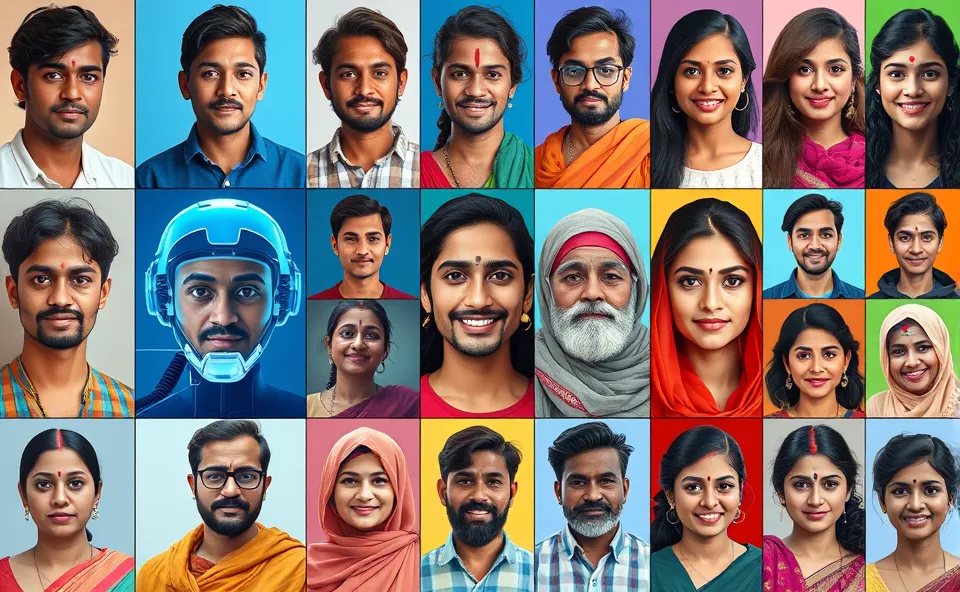
A Creative Spark in the Heart of India
Something exciting is happening in the digital spaces across India. If you have spent any time on social media lately, you might have noticed a surge of stunning, high quality visuals that look too good to be true. A large part of this trend comes from the arrival of ChatGPT Images 2.0. This latest update from OpenAI is not just a minor tweak. It is a full scale upgrade in how we turn a simple sentence into a piece of art.
In simple terms, ChatGPT Images 2.0 allows users to create vivid, detailed, and accurate images just by chatting with the AI. While we have seen AI art before, this version is different because it understands nuance much better. It handles complex requests with ease and produces images that feel more professional and less like an AI experiment. In India, this has triggered a wave of creativity. From small town entrepreneurs to big city designers, people are using it to visualize ideas that were previously too expensive or too difficult to create.
The beauty of this tool is its accessibility. You do not need to be a master of a complex software program or a professional artist. If you can describe what you want in plain English, the AI does the heavy lifting. This shift is turning the smartphone in every pocket into a powerful design studio.
Why Everyone is Talking About It Now
You might wonder why ChatGPT Images 2.0 has specifically exploded in India right now. The answer lies in the unique mix of a young population and a massive digital shift. India has one of the highest rates of mobile internet adoption in the world. People are always connected, and they are always looking for ways to stand out online.
There are a few key reasons why this is trending so heavily:
- The Rise of Solopreneurs: Thousands of people are starting small online businesses. They need high quality logos, product backgrounds, and social media posts but cannot always afford a full time graphic designer.
- Visual Storytelling: India has a rich culture of storytelling. Generative AI gives people a way to visualize traditional stories or modern concepts in a way that feels fresh and exciting.
- Low Barrier to Entry: Previous creative tools required a steep learning curve. Now, the conversational nature of the tool means anyone can start creating immediately.
- Content Hunger: With the boom of short form video and image based platforms, the demand for a constant stream of new visuals is at an all time high.
When you combine these factors, you get a perfect storm. The tool arrived exactly when the India market was hungry for a way to democratize design. It is no longer about who has the most expensive software, but who has the most imaginative prompts.
The Journey to Smarter Visuals
To understand why this is such a big deal, we have to look at where we started. For a long time, AI image generation felt like a niche hobby. Early versions of these tools often struggled with the basics. They might give a person six fingers or make a background look like a melting painting. While they were impressive, they were not always practical for real world business use.
OpenAI has been working steadily to bridge this gap. By integrating generative AI directly into a chat interface, they removed the friction. You no longer have to jump between different apps or learn a specific coding language to get a good result. The evolution from earlier versions to ChatGPT Images 2.0 is marked by a better understanding of lighting, texture, and human anatomy.
In the past, if you wanted a specific image for a project, you had two choices. You could spend hours searching through stock photo websites for something that almost fits, or you could hire a professional. Now, there is a third option. You can collaborate with an AI to iterate on an idea in real time. This history of rapid improvement has built a level of trust with users, making them more willing to integrate these tech trends into their daily workflows.
How This Changes the Game for Everyone
The ripple effects of this technology go far beyond just making pretty pictures. The impact on the India market and the broader creative economy is significant. For businesses, this means a massive reduction in the time it takes to go from an idea to a visual prototype. A marketing manager can now create ten different concepts for an ad campaign in ten minutes, rather than waiting days for a first draft.
For digital art, the conversation is shifting. Some fear that AI will replace artists, but many are finding that it actually enhances their work. It acts as a mood board on steroids. An artist can use ChatGPT Images 2.0 to quickly test compositions and color palettes before they start their own manual work. It is becoming a partner in the creative process rather than a replacement.
Looking at the broader market, we are seeing a shift in user adoption. People are moving away from static templates and toward custom, AI generated content. This means the internet will soon be filled with more unique imagery. The ability to generate a hyper specific image that reflects local culture, clothing, and architecture is a huge win for regional representation in digital spaces.
Moreover, this technology is pushing other companies to innovate. When a tool becomes this popular, it forces the entire industry to improve. We are seeing a race to make creative tools more intuitive and powerful, which ultimately benefits the end user.
Where We Go From Here
The success of ChatGPT Images 2.0 in India is likely a blueprint for global expansion. India is often a bellwether for tech adoption because of its scale and diversity. If a tool can capture the imagination of millions of Indian users, it is well positioned to succeed in other emerging markets like Brazil, Indonesia, or Nigeria.
As we move forward, we can expect a few logical developments. First, we will likely see better localization. The AI will get even better at understanding specific cultural nuances, such as the intricate details of a traditional festival or the specific layout of a local city street. This will make the tool feel even more personal and relevant.
Second, we can expect deeper integration with other tools. Imagine an AI that not only generates the image but also suggests the caption and schedules the post across different platforms. The goal is a seamless flow from thought to publication.
Finally, the focus will shift toward precision. We are moving from the era of surprising results to the era of controlled results. Users will want more power to tweak a single detail in an image without changing the whole thing. As OpenAI refines these capabilities, the line between AI generated art and human created design will continue to blur, leading to a new hybrid form of creativity.
Common Questions About AI Art
How does ChatGPT Images 2.0 differ from older AI tools?
The main difference is the level of understanding and integration. ChatGPT Images 2.0 is more conversational and better at following complex instructions. It produces higher resolution images with fewer errors in anatomy and lighting compared to earlier generative AI models.
Is AI image generation useful for small businesses in India?
Yes, it is incredibly useful. Many small businesses use it to create logos, social media graphics, and product mockups. This helps them maintain a professional look without needing a large budget for a design agency.
Can digital art professionals use these creative tools?
Absolutely. Many professionals use ChatGPT Images 2.0 for brainstorming and rapid prototyping. It helps them explore different visual directions quickly before they commit to a final, hand crafted piece of digital art.
Will this technology expand to other countries soon?
The strong user adoption seen in India suggests that global expansion is the next logical step. OpenAI typically rolls out features in stages, and the success in diverse markets often leads to a wider worldwide release.
What are the most common tech trends related to this?
The biggest trends include the rise of multimodal AI, where one tool can handle text, image, and voice, and the democratization of design, where high quality creative tools are available to non designers everywhere.











