

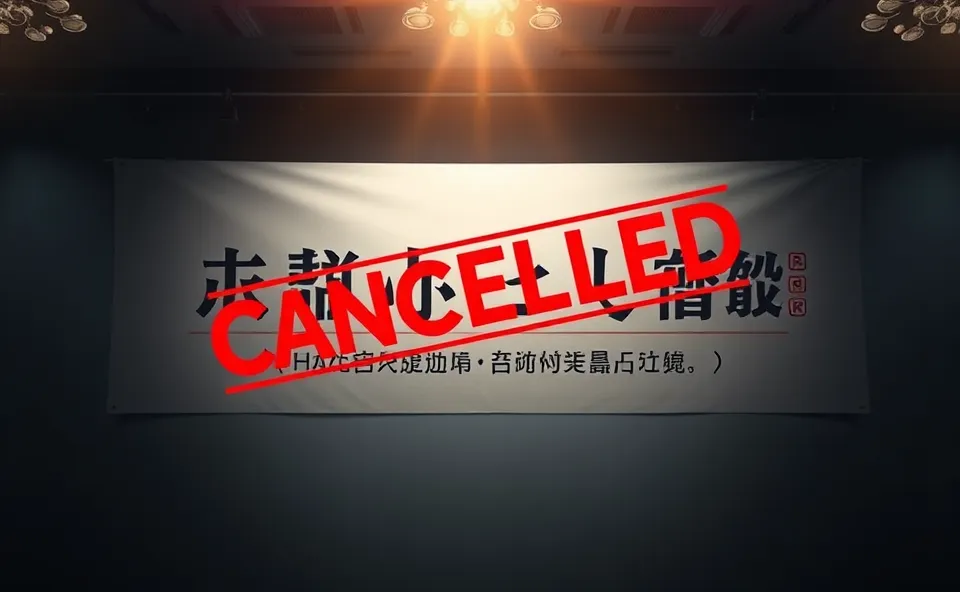
A sudden stop for a global conversation
Imagine you are planning the biggest gathering in the world for people who care about the internet. You have experts, activists, and tech leaders all ready to fly into Zambia for a massive event called RightsCon. This is the world’s leading Digital Rights Conference, where people talk about how to keep the web open, safe, and free for everyone. Everything is set. The venue is ready. The speakers are booked.
Then, out of nowhere, the event is canceled. The reason is not a lack of funding or a venue problem. Instead, it is because of a geopolitical tug of war. The Chinese government put immense pressure on the Zambian government to shut things down. The core of the conflict was not even about the technology being discussed. It was about who was invited. Specifically, China was unhappy that participants from Taiwan were included in the guest list.
Because China views Taiwan as part of its own territory, it does not want Taiwan represented as an independent entity at international events. To ensure this, China used its influence over Zambia to make sure the Digital Rights Conference could not move forward as planned. In the end, Zambia gave in to the pressure, and a vital space for discussing digital freedom was silenced.
Why everyone is talking about this now
This story is trending because it reveals a scary pattern in how the modern world works. It is not just about one canceled meeting in Africa. It is about how a superpower can reach across the globe to decide who gets to speak and what topics are off limits.
People are searching for this because it highlights the intersection of money, power, and tech policy. Many countries in Africa have deep financial ties with China through loans and infrastructure projects. When China exerts government pressure, these countries often feel they have no choice but to comply to protect their economic stability.
The tech community is particularly worried. If a Digital Rights Conference can be shut down because of a diplomatic disagreement, it means that the fight for digital freedom is no longer just about fighting a local dictator. It is about fighting a global system of censorship that follows the money. It shows that the internet is not as borderless as we once hoped.
The history behind the tension
To understand why this happened, we have to look at a few different pieces of the puzzle. First, there is RightsCon. Organized by the group Access Now, RightsCon is more than just a tech meetup. It is a place where human rights defenders and engineers collaborate to stop governments from spying on citizens or shutting down the internet during protests.
Then, we have the complex relationship between China and Taiwan. This is one of the longest running tensions in international relations. China maintains a strict policy that there is only one China, and Taiwan is part of it. This means China often pressures other countries to cut official ties with Taiwan.
Finally, there is the role of Zambia. Zambia has become a key partner for China in Africa. Through various investment programs, China has built roads, bridges, and power plants in Zambia. However, this comes with a price. When China wants a political favor, Zambia is in a vulnerable position.
When Access Now tried to bring the Digital Rights Conference to Zambia, they were following the principle of inclusivity. They wanted people from all over the world, including Taiwan, to share their experiences with censorship. For China, this inclusivity was a red flag. They saw the invitation of Taiwanese participants as a political statement that challenged their authority.
What this means for our digital future
The cancellation of this event is a warning sign. It tells us that digital freedom is becoming a bargaining chip in international diplomacy. Here is how this impact ripples through different sectors:
- For users: It suggests that our ability to access information or participate in global movements may depend on which country owns the infrastructure of our local government. If a government is heavily indebted to a country that practices heavy censorship, that censorship model might be exported.
- For tech policy: We are seeing the rise of the splinternet. Instead of one global web, we are moving toward a world where different regions have different rules based on political alliances. The pressure put on Zambia is a blueprint for how other nations might be forced to block certain voices.
- For human rights: When a Digital Rights Conference is blocked, activists lose a safe space to coordinate. This makes it harder to fight against surveillance and internet shutdowns, as the people who know how to stop these tools are prevented from meeting and sharing knowledge.
- For businesses: Tech companies operating in these regions face a dilemma. Do they follow the rules of the local government to keep their licenses, or do they stand up for the digital rights of their users? This event proves that the pressure to conform is growing.
Basically, the impact is a chilling effect. Other countries may now be too afraid to host international tech events if there is any risk that the guest list might offend a powerful ally.
Looking ahead at the global landscape
So, where do we go from here? It is unlikely that China will stop using its economic leverage to influence tech policy in other nations. If anything, this approach will likely become more common.
We can expect to see a shift in how these conferences are organized. Organizers like Access Now will have to be even more strategic about where they hold events. They may move toward hybrid models, combining small physical gatherings with large virtual spaces that are harder for a single government to shut down.
We might also see a stronger push for digital sovereignty that is not tied to a single superpower. More countries may start seeking diverse partnerships so they are not dependent on one nation for their infrastructure, which would give them more room to breathe when it comes to human rights and free speech.
In the long run, this conflict will likely accelerate the divide between the open web and the controlled web. The fight for digital freedom is no longer just about software and code. It is now a battle of diplomacy and economics.
Common questions about the event
What is the Digital Rights Conference?
The Digital Rights Conference, often known as RightsCon, is a global summit where activists, tech experts, and policymakers meet. They discuss how to protect human rights in the digital age and fight against online censorship and surveillance.
Why did China interfere with the event in Zambia?
China exerted government pressure because the organizers invited participants from Taiwan. China does not recognize Taiwan as an independent state and views its participation in international forums as a violation of its political policies.
How does this relate to digital freedom?
Digital freedom is the ability to access information and communicate without unfair government interference. When a country is pressured to cancel a conference on these topics, it shows that the freedom to organize and speak is being restricted by outside political forces.
Who is Access Now?
Access Now is the organization that runs RightsCon. They are a global non profit that works to ensure that the internet remains a tool for empowerment rather than a tool for government control and spying.
Will this affect how we use the internet?
While it may not change your daily browsing today, it signals a trend toward more censorship. If governments are pressured to exclude certain voices from conferences, they may eventually be pressured to block certain websites or apps from their citizens entirely.











