

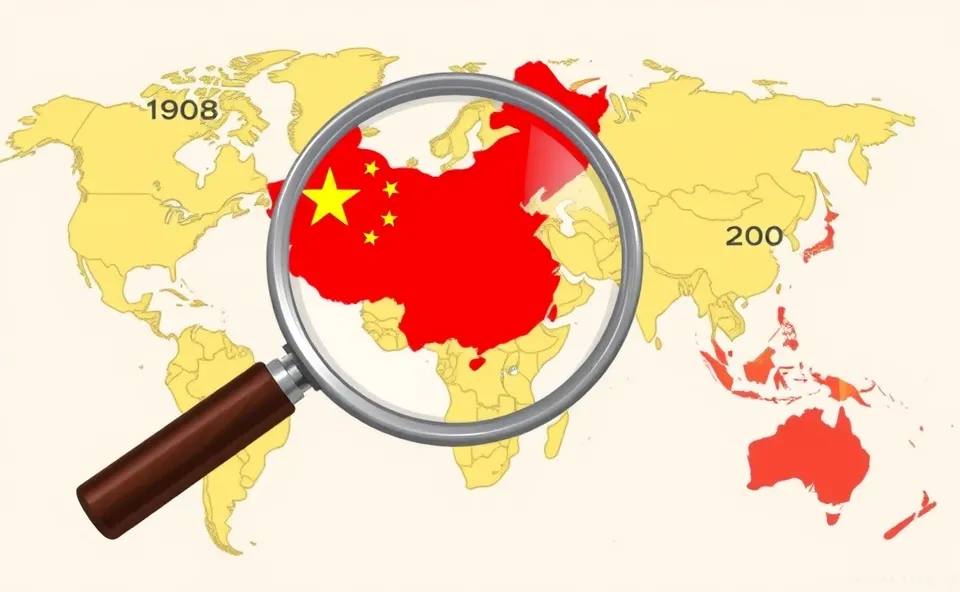
Beijing’s Broadening Tax Net Catches Global Attention
Imagine you’re running a business, maybe even one that spans borders. Suddenly, you hear that China is getting serious about its taxes, and not just for today, but for years past. That’s the gist of what’s happening. China is stepping up its game in a big way when it comes to tax investigations. They’re not just looking at what people owe right now; they’re digging back, looking at past tax filings, and making sure everything is in order. This isn’t a small, localized effort either; it’s a wide-reaching campaign that’s starting to make waves internationally. On top of this, there’s a noticeable tightening of controls on money moving out of the country. It’s like a country is saying, “We need to make sure our books are balanced, and the money stays where it belongs.”
Why the Buzz Around China’s Tax Hunt Right Now?
So, why is this suddenly a hot topic? It’s a combination of things, really. For starters, governments worldwide are facing their own financial pressures. After a period of significant global spending, many are looking for ways to boost their revenue. China is no different. Adding to this is the ongoing shift in how countries view global finance and the importance of tax compliance. Companies and individuals with international dealings have always had to navigate different tax rules, but the current focus on a proactive, even retroactive tax campaign in China brings this issue to the forefront. It’s a clear signal that the era of loose oversight is fading, and rigorous tax investigation is the new normal. This shift creates a sense of urgency for anyone involved in cross-border business, making the China tax hunt a trending subject.
A Bit of History: Why This Matters Now
To truly get why China is intensifying its tax investigations and capital controls, we need a little background. For a long time, China’s economy was growing at an astonishing pace. The focus was often on encouraging investment and expansion. In such a rapidly developing environment, tax collection and enforcement might not have been the absolute top priority, especially compared to fostering growth. There were also less stringent rules on moving capital in and out of the country, which is common in economies opening up. However, as China’s economy matures and faces new challenges, like global economic uncertainties and the need for stable domestic funding, the government’s priorities are shifting. This retroactive tax campaign is part of a broader strategy to strengthen its financial foundations. Think of it like a household that, after years of busy activity, decides it’s time to do a thorough clean-out and make sure all the bills are paid and the savings are secure. This evolution in economic policy means that past practices are now being scrutinized under a much brighter, more focused light.
What This Means for Businesses and Individuals
The impact of this expanded tax investigation and offshore capital controls is significant and far-reaching. For businesses, especially those with operations or significant financial ties to China, this means a heightened need for meticulous record-keeping and absolute tax compliance. Companies can no longer afford to overlook past tax obligations. The risk of facing penalties, interest, and even more severe consequences from a tax investigation is now very real. This financial crackdown also affects how money moves. If you’re planning to transfer funds out of China, or if your business relies on easy movement of capital across borders, you’ll likely encounter more scrutiny and tighter restrictions. This could mean longer processing times, more documentation required, and a general slowdown in international financial flows. For individuals, particularly those with assets or income related to China, it’s a reminder to ensure all tax affairs are in order. The era of capital flight becoming easier is certainly being challenged by these new economic policies.
Looking Ahead: What’s Next in Global Taxation?
What does the future hold? This intensified China tax hunt suggests a global trend. As countries grapple with their own fiscal pressures, we are likely to see more nations adopt similar approaches to revenue collection and capital management. This means greater emphasis on transparency and tax compliance across the board. For businesses, this isn’t a temporary blip. It’s a fundamental shift in the landscape of international taxation. Companies will need to invest more in their tax departments, perhaps even using advanced technology to manage their global tax liabilities proactively. For individuals, it’s a clear signal to stay informed and compliant with tax laws wherever they operate. The tightening of offshore capital controls in China also points to a future where governments are more assertive in managing their national economies, potentially leading to more coordinated global efforts to curb tax evasion and illicit financial flows. This is about creating a more stable and predictable financial environment, even if it means more administrative hurdles in the short term.
Your Questions About the China Tax Hunt Answered
What exactly is the China tax hunt?
The China tax hunt refers to the recent and intensified efforts by the Chinese government to conduct thorough tax investigations, including looking back at previous tax periods. This also involves new controls on offshore capital flows, aiming to ensure domestic tax compliance and manage financial stability.
Why is China suddenly focusing on retroactive tax investigations?
China is experiencing fiscal pressure, similar to many countries globally. This retroactive tax campaign is a strategic move to boost government revenue, ensure fair tax contributions from all entities, and strengthen its overall economic policy by bringing more assets and income under the tax net.
How do new offshore capital controls relate to the tax investigation?
The new offshore capital controls are a complementary measure to the tax investigation. By restricting capital flight, China aims to keep more financial resources within its borders, which can then be subject to domestic taxation and contribute to the national economy, reinforcing the broader financial crackdown.
What is the impact of this global tax hunt on international businesses?
International businesses operating in or with ties to China must pay closer attention to their tax compliance. A tax investigation could lead to unexpected liabilities and penalties. Understanding and adhering to both current and past tax obligations is crucial for smooth operations in global finance.
Are other countries likely to follow China’s lead with similar tax campaigns?
Given the widespread fiscal pressures and the increasing focus on tax compliance globally, it’s plausible that other countries may also ramp up their tax investigations and consider stricter capital controls. This signifies a broader shift in international taxation and economic policy.











