

The Robot Uprising: Why China is Betting Big on Humanoids
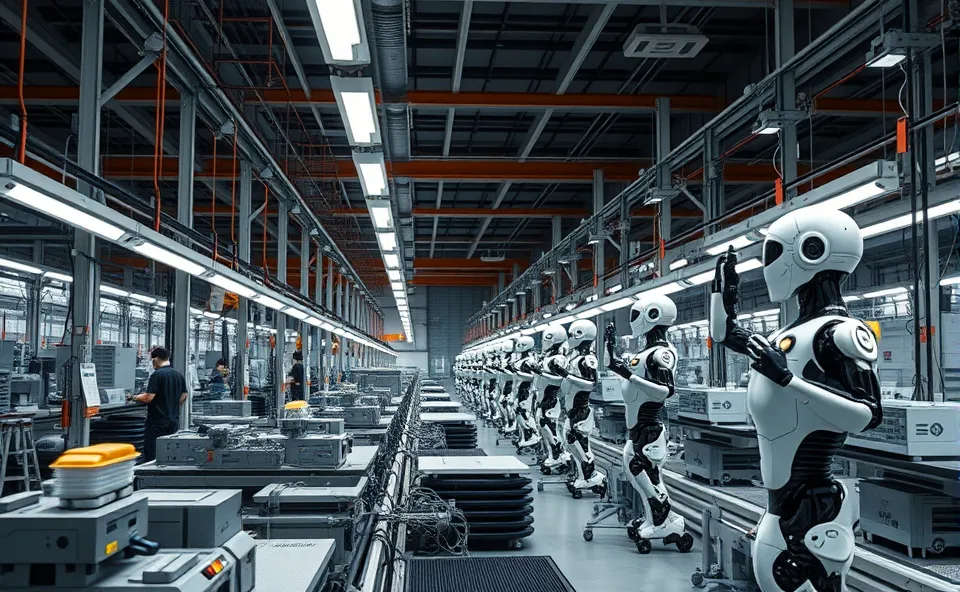
Something pretty fascinating is happening in China, and it’s got a lot to do with robots, specifically the humanoid kind. Imagine factories buzzing not just with machines, but with life-like robots that can move, sense, and even learn. That’s the direction China is aggressively heading. We’re seeing a massive push towards developing and deploying these advanced robots, not just for show, but to tackle some really serious economic challenges. It’s a story about an aging population, a shrinking workforce, and a government with a clear vision for the future of manufacturing.
Why All the Buzz Now About China’s Robots?
You’re probably hearing more about China robots and their push into humanoid robotics because the situation is reaching a critical point. The demographics are undeniable: fewer young people are entering the workforce, and the existing workforce is getting older. This creates a huge labor shortage across many industries, from manufacturing to elder care. At the same time, China’s government has been very clear about its ambition to lead in advanced technology, especially AI and robotics. This combination of necessity and strategic focus means that the development and adoption of humanoid robots are accelerating at an unprecedented pace. It’s no longer a distant sci-fi dream; it’s a present-day economic strategy gaining serious momentum.
The Seeds of Automation: A Look Back
To truly understand this shift, we need to look back a bit. For decades, China has been the world’s factory, largely powered by a vast and relatively inexpensive labor pool. This fueled incredible economic growth. However, as China’s economy matured and its population started to age, the cost of labor began to rise, and the supply of workers started to dwindle. This wasn’t a sudden event but a gradual trend that Beijing has been watching closely. Recognizing this demographic shift, the government began to pivot its industrial policy, moving away from being solely a low-cost manufacturing hub towards becoming a leader in high-tech industries. This included a significant focus on robotics and artificial intelligence, with policies designed to encourage domestic innovation and manufacturing. The idea was to automate tasks, increase efficiency, and maintain economic competitiveness as the workforce changed.
More Than Just Machines: The Real Impact
The implications of this rapid development in humanoid robots are far-reaching. For businesses, particularly in manufacturing, these robots offer a solution to the persistent labor shortage. They can perform repetitive, physically demanding, or dangerous tasks, freeing up human workers for more complex roles or allowing companies to maintain production levels despite fewer employees. This isn’t just about replacing people; it’s about augmenting human capabilities and ensuring the continued smooth operation of crucial industries. For the technology sector, this is a massive catalyst. The demand for sophisticated humanoid robots fuels innovation in AI, machine learning, advanced sensors, and new materials. We’re seeing incredible progress in areas like dexterity, mobility, and human-robot interaction. Think about the potential: robots assisting in elder care, performing complex surgical procedures, or even exploring hazardous environments. The impact extends beyond the factory floor and into many aspects of daily life.
What’s Next on the Robot Horizon?
Looking ahead, the trajectory for humanoid robots in China seems set for continued acceleration. We can expect to see more sophisticated and versatile models entering the market. The focus will likely be on improving their ability to learn and adapt to new tasks, making them more flexible than current industrial automation solutions. Beijing’s ongoing investment in research and development, coupled with the clear economic need, will keep pushing the boundaries of what these machines can do. We might also see a greater integration of humanoid robots into service industries and logistics, not just heavy manufacturing. The goal is to create a synergistic relationship where humanoids handle specific tasks, allowing humans to focus on supervisory, creative, and interpersonal roles. It’s a future where advanced manufacturing technology and a changing workforce find a common ground through intelligent automation.
Frequently Asked Questions About China’s Robot Future
What is driving the rapid development of humanoid robots in China?
The primary drivers are China’s shrinking workforce due to an aging population and declining birth rates, combined with strong government industrial policy focused on advancing robotics and AI to fill critical labor gaps and boost economic competitiveness.
How will China robots impact the global manufacturing industry?
The proliferation of advanced China robots, including humanoids, could lead to increased efficiency and lower production costs, potentially reshaping global supply chains and intensifying competition among manufacturers worldwide as industrial automation becomes more sophisticated.
Are these humanoid robots capable of complex tasks?
Developers are continuously working to enhance the capabilities of humanoid robots, with a strong focus on AI automation to enable them to perform increasingly complex tasks, including those requiring dexterity, problem-solving, and interaction with dynamic environments.
What role does Beijing tech policy play in the robotics industry?
Beijing tech policy is instrumental, with government investment, strategic planning, and incentives directly supporting research, development, and adoption of advanced manufacturing technology like robotics, aiming to position China as a global leader.
Can humanoid robots truly solve the labor shortage in China?
While not a complete replacement for human labor, humanoid robots are seen as a vital solution to mitigate the effects of the workforce decline. They are designed to take on roles that are becoming harder to fill, supporting rather than entirely supplanting human workers in addressing the labor shortage.











