

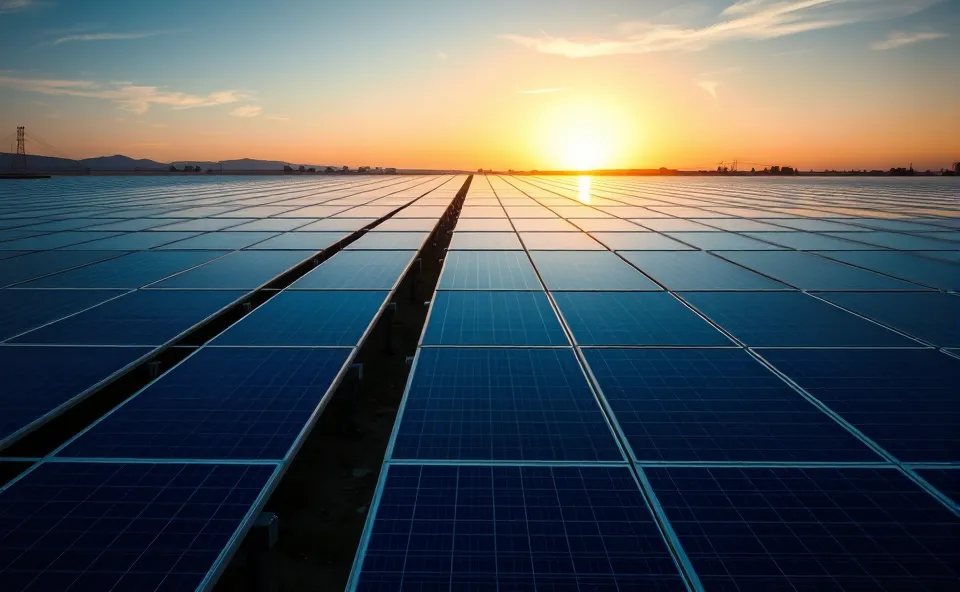
The Great Solar Flood: Too Much Power for the World’s Demand
Imagine a factory churning out solar panels day and night, working at full throttle, creating a mountain of clean energy hardware. Now imagine that mountain is far bigger than anyone actually needs right now. That’s essentially the situation with China’s massive solar panel production. They’ve built an incredible capacity to make solar panels, the kind that power our homes and businesses with green energy, but a significant chunk of this production is sitting idle. It’s like having the world’s best baking ingredients and ovens, but not enough hungry customers to eat all the bread. This surplus, while impressive on the surface, is actually creating a bit of a roadblock for the global green energy transition.
Why Everyone’s Talking About This Solar Flood Now
You’ve probably seen headlines or heard chatter about China’s solar panel surplus, and there’s a good reason why it’s trending. The world is in a race against time to adopt renewable energy sources to combat climate change. Solar power is a huge part of that solution, and China is the undisputed king of solar manufacturing. So, when we hear about their massive production capacity and then realize a lot of it isn’t being used, it raises eyebrows. People are curious: why is so much solar power tech being made if it’s not being installed? What does this mean for the cost of clean energy? And how does this impact our ability to switch to greener power sources faster? It’s a puzzle with big implications for the future of our planet and our economies.
From Humble Beginnings to Solar Superpower
To understand today’s China solar panel surplus, we need a little rewind. For years, China has made a strategic bet on solar manufacturing. They invested heavily in factories, technology, and skilled labor. This wasn’t just about making panels; it was about becoming a global leader in a crucial clean energy technology. Driven by supportive government policies and the sheer scale of their ambition, they built a solar supply chain that is unmatched. This led to a dramatic drop in solar panel prices over the last decade, making solar power more accessible than ever before. It was a boom time, with production capacity growing rapidly to meet what was expected to be a surging global demand for renewable energy. However, the pace of that growth, both in production and in demand, has created this current imbalance.
The Ripple Effect: Idle Factories and Slowing Progress
So, what happens when you have way more solar panels than the world is currently installing? It’s not just about factories sitting empty. This China solar panel surplus creates a few key issues. Firstly, it can depress prices even further, which might seem good for buyers, but it can also make it harder for smaller manufacturers, or even newer ones in other countries, to compete. This consolidation can sometimes slow down innovation in the long run.
More importantly, this bottleneck affects the speed of the green energy transition. While China’s manufacturing prowess has made solar affordable, the underutilization of this capacity points to other limitations. These might include slower than expected grid upgrades in many countries, a lack of skilled installers, or complex permitting processes that slow down projects. Essentially, we have the hardware ready to build a cleaner future, but the infrastructure and systems to deploy it at the required speed are lagging behind. This means that the potential of clean power, even with an abundance of solar panels, isn’t being fully realized as quickly as we need it to be. The photovoltaic industry is capable of so much more.
What Lies Ahead for the Solar Market?
Looking forward, this situation is likely to evolve. The massive China solar panel surplus will probably continue to drive down costs, making solar even more attractive. However, the focus will likely shift from pure production capacity to the efficiency and speed of deployment. We might see more efforts globally to streamline installation processes, invest in grid modernization, and train more workers in the renewable energy sector.
China itself might look for new markets or find ways to stimulate domestic demand. Furthermore, advancements in energy storage solutions, like batteries, will become even more critical. As storage becomes cheaper and more widespread, it can help absorb the variable nature of solar power, making it easier to integrate larger amounts of solar energy into the grid, thereby utilizing more of that existing solar manufacturing capacity. It’s a complex interplay between production, infrastructure, policy, and technology.
Frequently Asked Questions About Solar Power and Production
What exactly is the China solar panel surplus?
The China solar panel surplus refers to the situation where China’s factories are producing solar panels at a much higher rate than the current global demand for installation. This means there is more solar manufacturing capacity than is being utilized by countries looking to adopt renewable energy.
How does the China solar panel surplus impact global renewable energy goals?
While the surplus can make solar panels cheaper, making clean power more accessible, the underutilization points to bottlenecks elsewhere in the solar supply chain and deployment. This can indirectly slow down the pace of the green energy transition if the infrastructure or policies to install these panels aren’t ready.
Is the photovoltaic industry in China facing any challenges due to this surplus?
Yes, while China dominates solar manufacturing, a significant idle production capacity can put pressure on manufacturers’ profitability. It also raises questions about the long term sustainability of such rapid expansion if demand doesn’t catch up, potentially leading to consolidation within the industry.
Will the solar panel surplus lead to a significant drop in the cost of solar energy?
It is likely to contribute to continued price reductions for solar panels themselves. However, the overall cost of a solar energy system includes installation, permits, and grid connection, which are not directly impacted by the manufacturing surplus. So, while the hardware might get cheaper, the total cost of going solar may not drop as dramatically.
What can countries do to better utilize this abundance of solar manufacturing capacity?
Countries can focus on improving their energy policy, investing in grid infrastructure to better integrate solar power, simplifying permitting processes for renewable energy projects, and training a larger workforce for solar installation. Addressing these deployment challenges will help absorb more of the available solar supply.











