

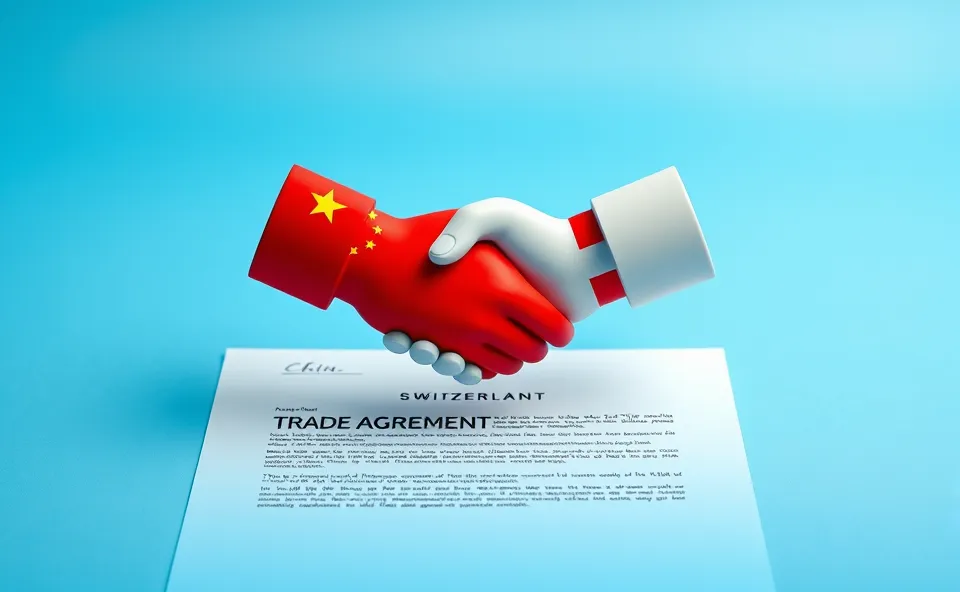
China Signals Openness to Boosting Trade Ties with Switzerland
Here’s an interesting development in the world of global commerce: China has let it be known that it’s ready to move forward with talks to upgrade its existing trade agreement with Switzerland. This isn’t just a minor tweak we’re talking about; it signals a willingness from China’s ministry to deepen the economic cooperation between these two nations. Think of it as a more robust handshake, building on a relationship that already has a solid foundation.
Why This Trade Talk Is Gaining Traction Now
You might be wondering why this news is making waves right now. Well, the global trade landscape is constantly shifting, and countries are always looking for ways to secure their economic future. For China and Switzerland, both players in the international market, strengthening their bilateral trade ties makes a lot of sense. As economies around the world navigate new challenges and opportunities, proactive steps like upgrading a trade pact become highly relevant. This move reflects a broader trend of countries seeking more resilient and beneficial trade partnerships in an increasingly interconnected, yet sometimes uncertain, global economy. People are interested because it highlights how nations are actively shaping their trade relationships for future growth.
A Look Back at the China-Switzerland Trade Journey
To truly appreciate the significance of this potential upgrade, it helps to understand where the China-Switzerland trade relationship started. Back in 2013, these two countries signed a groundbreaking free trade agreement. This was a big deal at the time, as Switzerland was one of the first European nations to ink such a comprehensive pact with China. The agreement aimed to reduce tariffs, simplify customs procedures, and create a more predictable environment for businesses from both sides. Since then, trade and investment between China and Switzerland have seen considerable growth. This existing framework has paved the way for increased economic cooperation, making the idea of an upgraded agreement a natural next step in this evolving partnership.
What This Means for Business and Beyond
So, what’s the big deal about upgrading this China trade pact with Switzerland? For starters, it suggests a potential for even smoother sailing for businesses involved in bilateral trade. Think about it: an upgraded agreement could mean lower tariffs on more goods, fewer bureaucratic hurdles, and perhaps even expanded market access for Swiss products in China and vice versa. This is great news for companies looking to import or export, as it can lead to lower costs and greater competitiveness.
Beyond just tariffs, an upgrade could also touch upon areas like intellectual property protection, investment rules, and digital trade. These are crucial aspects for modern businesses, especially those operating in innovative sectors. For Switzerland, known for its precision engineering, pharmaceuticals, and financial services, a more robust trade agreement with a massive market like China could unlock significant opportunities.
For China, it signifies a continued commitment to opening up its economy and fostering stronger ties with developed nations, attracting further investment and technology. This also has implications for global trade dynamics. As major economies solidify their partnerships, it can influence trade flows and create new patterns of economic cooperation worldwide.
The ministry statement itself is a key indicator. It shows that the official channels are open and that there’s a political will to move forward. This kind of government endorsement is vital for building business confidence and encouraging long-term investment decisions.
Charting the Course Ahead
Looking ahead, the readiness indicated by China suggests that we can anticipate more concrete steps toward these trade negotiations. While the exact timeline isn’t specified, the intention is clear. The focus will likely be on identifying areas where the current agreement can be enhanced to reflect the current economic realities and future aspirations of both nations.
We might see discussions centered on modernizing aspects like sustainable trade practices, digital services, and possibly even greater collaboration in research and development. For businesses, this means a period of potential anticipation and preparation. It would be wise for companies involved in China-Switzerland trade to stay informed about the ongoing discussions, as any changes could directly impact their operations.
The process of upgrading a free trade agreement is not usually a quick one. It involves detailed discussions, often complex negotiations, and the eventual ratification by both governments. However, the initial signal from China’s ministry is a strong positive one, indicating a shared desire to build on the success of their existing trade pact and foster deeper economic cooperation.
Frequently Asked Questions About China and Switzerland’s Trade Pact
What is the current status of the China trade pact with Switzerland?
Currently, China and Switzerland have an existing free trade agreement signed in 2013. China has now indicated its readiness to advance negotiations for an upgraded version of this pact, suggesting a desire to deepen their economic cooperation.
Why is China interested in upgrading its trade pact with Switzerland?
China is likely interested in upgrading its trade pact with Switzerland to further enhance economic cooperation, potentially gain better market access for its products, attract more Swiss investment, and align its trade relationship with Switzerland with its broader economic strategies in Europe and globally.
What are the potential benefits of an upgraded China-Switzerland trade agreement?
An upgraded agreement could lead to reduced tariffs on more goods, simplified customs procedures, improved market access for businesses from both countries, stronger intellectual property protection, and enhanced opportunities for investment and economic cooperation in areas like technology and services.
How might this impact bilateral trade between China and Switzerland?
This development could significantly boost bilateral trade by creating a more favorable and predictable business environment. It may encourage more companies to engage in trade and investment, leading to increased volumes and potentially new avenues for economic exchange.
What are the next steps in the trade negotiations for the China trade pact upgrade?
Following China’s indication of readiness, the next steps would typically involve formal discussions and detailed negotiations between officials from both countries to identify specific areas for enhancement and to draft the terms of an upgraded free trade agreement.











