

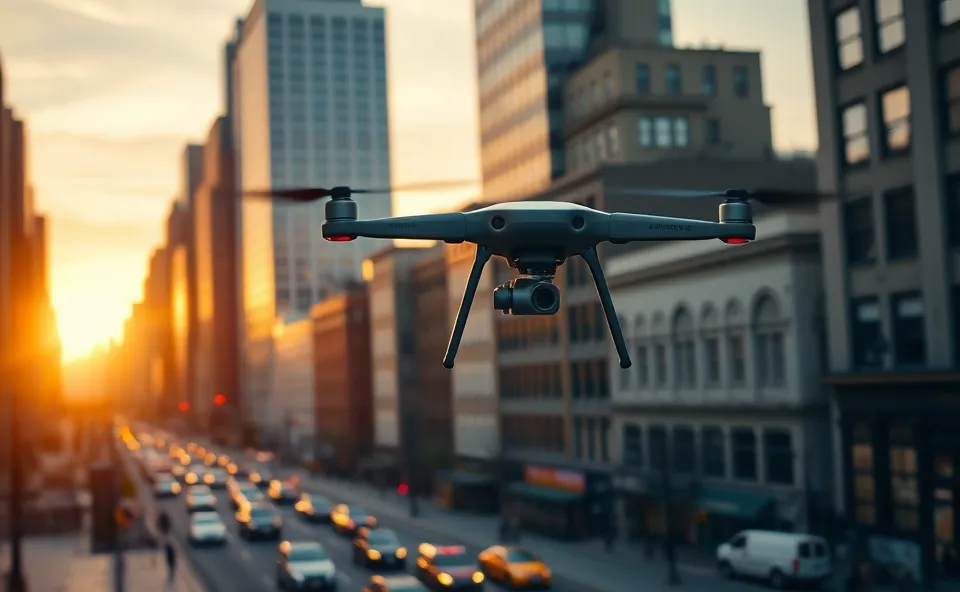
The Sky’s the Limit? Exploring Drone Delivery in Bustling Cities
Imagine getting your coffee or a forgotten charger dropped off by a quiet hum overhead, landing right at your doorstep. That’s the promise of city delivery drones, a concept that’s been buzzing around for a while now, and one that’s particularly fascinating when we think about a place like New York City. It’s not just about speed; it’s about rethinking how goods move in some of the most crowded places on Earth. This idea of autonomous delivery, using drone technology to bypass traffic jams, is gaining serious traction. But is it truly ready for prime time in a concrete jungle?
Why Are We Talking About Drones in Cities Now?
You’ve probably seen headlines or heard whispers about drone delivery trials and the ongoing discussions around them. This surge in interest isn’t random. It’s fueled by a few key things. First, drone technology has gotten significantly better. They’re more reliable, can carry more weight, and are safer than ever before. Second, businesses are constantly looking for ways to make last-mile delivery faster and cheaper, especially in dense urban environments where traditional methods face major hurdles. Think about the traffic in NYC, the limited parking, and the sheer volume of packages. Businesses see drones as a potential game-changer for urban logistics. Plus, as consumer tech becomes more integrated into our daily lives, the idea of a drone bringing us our goods feels less like science fiction and more like a plausible next step.
A Little Background on the Buzz
The dream of aerial package delivery isn’t entirely new. Back in the day, we imagined futuristic cities with mail chutes and flying vehicles. But the technology simply wasn’t there. Now, with advancements in battery life, navigation systems, and miniaturization, drones are finally capable of fulfilling some of these early visions. Companies have been testing drone delivery in more suburban or rural settings for years, proving their basic capabilities. However, moving from open fields to the complex, tightly controlled NYC airspace is an entirely different ballgame. This involves navigating buildings, avoiding obstacles like helicopters and planes, and ensuring aviation safety for everyone on the ground and in the air. It’s a complex puzzle that requires both cutting-edge drone technology and smart planning.
What Does This Mean for You and Your City?
The potential impact of successful city delivery drones is pretty huge. For consumers, it could mean incredibly fast delivery times. Imagine ordering a prescription and having it arrive within minutes, or getting that urgent office supply without leaving your desk. This could redefine convenience. For businesses, especially those involved in e-commerce and food delivery, it offers a way to cut down on delivery costs and improve efficiency in urban logistics. It could open up new business models and make operations in congested cities more manageable. On a larger scale, it could even help reduce traffic congestion and the associated pollution if a significant number of deliveries shift from vans to drones. However, there are also significant considerations regarding noise pollution and public perception. The integration of commercial drones into our daily lives needs careful thought to ensure it benefits the community.
Looking Ahead: The Road to Urban Drone Delivery
The path to widespread drone delivery in places like New York City is paved with challenges, but also with significant potential. The biggest hurdle is undoubtedly drone regulations. Aviation authorities are still developing comprehensive rules to ensure the safe operation of these vehicles in crowded airspace. This includes everything from flight path restrictions and altitude limits to pilot training and liability. Companies are working closely with regulators to establish clear guidelines. Another key factor is the ongoing development of drone technology itself. We need drones that are not only efficient and safe but also capable of handling various weather conditions and carrying a wider range of goods. Public acceptance is also crucial. People need to feel comfortable with drones flying overhead and understand the safety measures in place. It’s a phased approach; we’ll likely see more specialized drone delivery services emerge first, perhaps for medical supplies or specific business-to-business deliveries, before we see widespread consumer use for everyday items. The ultimate goal is a seamless integration of autonomous delivery into the fabric of our cities.
Got Questions About City Delivery Drones?
What are city delivery drones and how do they work?
City delivery drones are small, unmanned aerial vehicles designed to transport goods over short distances, typically within urban areas. They use advanced navigation systems, often GPS and onboard sensors, to fly autonomously from a pickup point, like a warehouse or store, to a delivery location, like a customer’s home or office. The primary goal of drone delivery is to offer a faster and more efficient alternative to traditional ground-based transportation for last-mile delivery.
Why are drone regulations so important for urban logistics?
Drone regulations are critical for urban logistics because they ensure the safety and security of the airspace and the public. In densely populated cities like NYC, the skies are already busy with various air traffic. Regulations help manage the introduction of commercial drones, preventing collisions, minimizing noise, and establishing clear operational boundaries. This is essential for the viability of widespread drone delivery.
What are the main challenges for drone delivery in NYC airspace?
Operating drone delivery in NYC airspace presents unique challenges. These include navigating around tall buildings, avoiding other aircraft such as helicopters, dealing with unpredictable weather patterns, and managing the sheer volume of potential drone traffic. Furthermore, ensuring aviation safety for people on the ground is paramount, requiring robust control systems and adherence to strict flight protocols. Understanding and navigating NYC airspace is a significant hurdle.
How is drone technology advancing for last-mile delivery?
Drone technology for last-mile delivery is rapidly advancing. Improvements include longer battery life for extended flight times, enhanced precision landing capabilities, more sophisticated obstacle avoidance systems, and increased payload capacity. Companies are also developing specialized drones designed for specific delivery needs, from carrying sensitive medical packages to delivering food orders. The ongoing innovation in drone technology is key to making autonomous delivery a reality.
What is the current operational status of commercial drones in major cities?
The current operational status of commercial drones for city delivery varies. While many companies have received approvals for testing and limited operations in specific areas, widespread, routine commercial drone delivery services in high-density urban environments like New York City are still in their early stages. Most operations are currently pilot programs focusing on proving the viability and safety of the technology and navigating the complex regulatory landscape for drone regulations.











