

A Big Bet on the Grocery Aisle
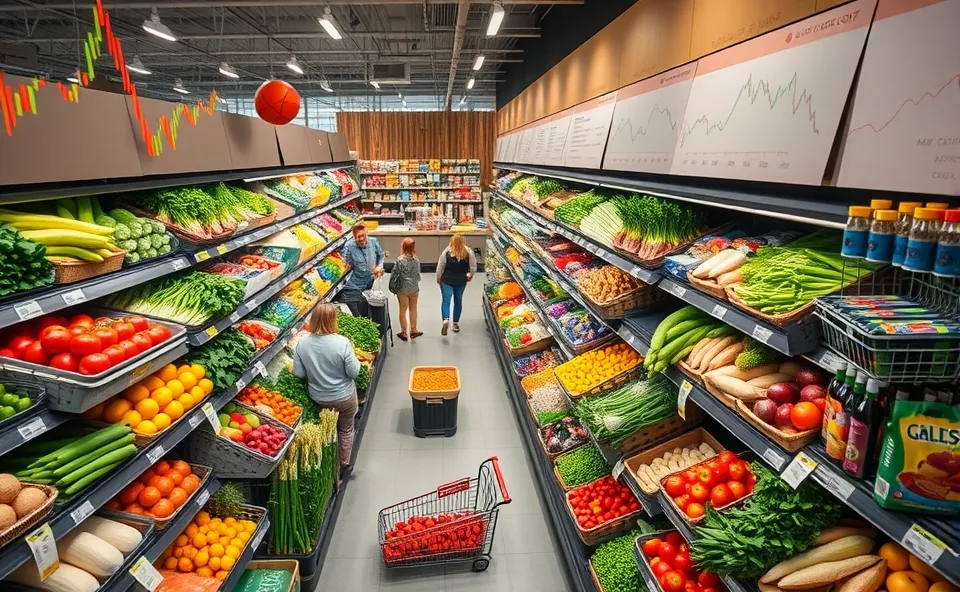
So, Mayor Mamdani in New York is rolling out a pretty ambitious idea: a $70 million city-owned supermarket initiative. The goal here is to tackle those pesky food deserts, those neighborhoods where fresh, healthy food is incredibly hard to find. Think about it – areas where you might have to travel miles just to get a decent apple or some fresh greens. This isn’t just about opening a few stores; it’s about directly challenging how things usually work in the grocery business and seeing if a public approach can make a real difference where private businesses haven’t stepped in.
Why Everyone’s Talking About City-Owned Groceries
It’s no surprise that a plan involving this much public money and aiming to shake up a major market is grabbing headlines. People are searching for information because it touches on so many big questions. Can the government actually run a successful business, especially one as competitive as selling groceries? What does this mean for existing grocery stores in New York? And, most importantly, will it actually help the people living in food deserts get the food they need? The sheer scale of the investment and the bold aim to reshape economic landscapes are what’s sparking all this curiosity.
The Story So Far: Why We Need This
To really get why Mayor Mamdani’s plan is making waves, we need to look at the reality of New York’s food scene. For years, communities have struggled with limited access to affordable, nutritious food. This isn’t an accident; it’s often a result of market economics. Big grocery chains tend to set up shop where the profits are easiest to come by, which often means wealthier areas. This leaves many low-income neighborhoods, particularly those further from prime real estate or with less foot traffic, without viable grocery stores. Residents in these so-called food deserts often rely on convenience stores with limited healthy options or face long commutes, impacting their health and quality of life. Existing zoning laws can also sometimes be a hurdle for new grocery stores to open in certain areas, creating further complexity. The mayor’s plan is a direct response to this long-standing issue, a public intervention designed to fill a gap that the market has, for whatever reason, failed to address.
What This Means for New York’s Food Landscape
This $70 million investment in city-owned supermarkets could have a ripple effect. On one hand, it offers a direct solution for communities struggling with food deserts. Imagine having a well-stocked, affordable grocery store right in your neighborhood. This could lead to better dietary habits, improved public health, and a stronger local economy with new jobs. For consumers, it promises more choice and better access to fresh produce. However, it also introduces a new dynamic of competition. How will these city-owned stores compete with established chains and independent grocery stores? Will they be able to achieve profitability without compromising on their mission of serving underserved communities? The economic theory behind public intervention in markets is complex, and its success often hinges on factors like efficient management, strategic pricing, and understanding consumer needs. This initiative challenges established market forces and raises questions about the balance between public good and commercial viability in the grocery sector.
The Road Ahead: Will This Big Gamble Pay Off?
Looking forward, the success of Mayor Mamdani’s city-owned supermarket initiative hinges on several critical factors. Can the city manage these operations effectively, ensuring efficient supply chains, fair pricing, and excellent customer service? A key challenge will be navigating the competitive landscape. These new stores will need to attract customers away from existing options, which means offering real value, whether through price, quality, or convenience. Furthermore, the sustainability of the model is crucial. While the initial $70 million provides a strong launchpad, long-term profitability will be essential for these city-owned supermarkets to thrive and potentially expand. The city will need to closely monitor consumer demand, adapt to market changes, and perhaps even explore innovative approaches to food distribution and community engagement. The outcome will be a fascinating case study in how public intervention can reshape market dynamics and address social needs.
Your Questions Answered About City-Owned Supermarkets
What is the main goal of Mayor Mamdani’s city-owned supermarkets plan?
The primary goal is to combat food deserts in New York by providing access to affordable, healthy food in underserved neighborhoods where established grocery stores are lacking. It’s an effort to directly challenge existing market forces.
How will city-owned supermarkets address the issue of food deserts?
By directly operating grocery stores in areas identified as food deserts, the city aims to fill the gap left by private businesses. This ensures residents have convenient access to fresh produce and other essential food items, promoting better nutrition and public health.
What are some potential challenges for these city-owned supermarkets against established market forces?
Challenges include competing with the pricing, efficiency, and established customer bases of private grocery stores. The initiative also needs to navigate consumer choice, ensure profitability without sacrificing its mission, and potentially overcome existing zoning laws or logistical hurdles.
Could this initiative impact existing grocery stores in New York?
Yes, the introduction of new, potentially well-supported city-owned grocery stores could increase competition for existing businesses. How consumers respond and whether the market can support both public and private ventures will be key.
What economic theory supports a mayor’s plan for public intervention in grocery markets?
This initiative draws on economic theory that suggests public intervention can be necessary when markets fail to provide essential services or goods, like affordable food in all communities. It aims to correct market inefficiencies and promote social equity.











