

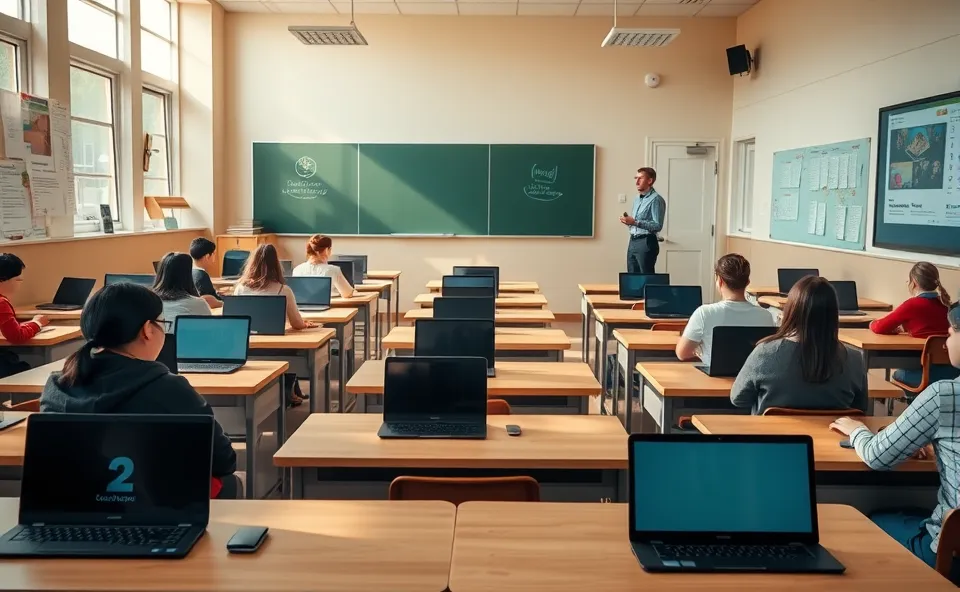
Did Classrooms Just Hit the Refresh Button on Technology?
You know how sometimes a big idea comes along, everyone jumps on board, and then later we realize it wasn’t quite what we expected? Well, something similar is happening in US schools with classroom tech. It turns out, many schools are starting to dial back on the screens and the whole tech-first approach that became super popular. They’re doing this because they’re seeing that too much of it might actually be getting in the way of students truly learning.
Think about it. For a while there, it felt like every school was racing to get the latest gadgets into every student’s hands. Chromebooks were everywhere, digital learning was the buzzword, and the idea was that more technology automatically meant better education. But now, there’s a noticeable shift. Instead of filling classrooms with more screens, some schools are actively choosing to use them less, and it’s sparking a lot of conversation about the real role of educational technology in student learning.
Why Are We Talking About This Right Now?
This whole classroom tech reversal is suddenly a hot topic because parents, teachers, and even some education researchers are noticing a pattern. They’re seeing that while technology has its place, simply having more of it doesn’t automatically lead to better learning outcomes. In fact, in some cases, it seems to be doing the opposite.
There’s a growing body of evidence and anecdotal stories emerging that highlight the downsides of excessive screen time in schools. This isn’t about saying all educational technology is bad, far from it. But it is about questioning the blanket assumption that more tech is always better. People are searching for this now because they want to understand what’s driving this change and what it means for their kids and the future of learning.
The conversations are getting louder. Parents are asking tougher questions about screen time in schools, and educators are sharing their experiences about how certain digital tools can distract rather than engage. This collective realization is pushing the topic of classroom tech from the background to the forefront of educational discussions.
Remember When Screens Became the New Blackboards?
To really get why this shift is significant, we need to cast our minds back a bit. For years, the trend in education was overwhelmingly towards digitalization. The idea of “digital learning” promised personalized experiences, access to vast amounts of information, and preparing students for a tech-driven world. Schools invested heavily in technology infrastructure, training teachers on new platforms, and equipping students with devices like Chromebooks.
This push was fueled by a belief that technology could revolutionize education, making it more efficient, engaging, and equitable. The narrative was often about closing the digital divide by ensuring all students had access to the same tools. Policies were enacted that favored a tech-first approach, sometimes prioritizing digital assignments over traditional methods. This era saw a rapid expansion of educational technology in classrooms, with many seeing it as the inevitable future of learning.
Early successes and the promise of innovation made this path seem logical and forward thinking. The focus was on the potential, on the possibilities that digital tools unlocked. It was a period of rapid adoption, where the focus was less on the potential downsides and more on the exciting new ways to teach and learn. This created a strong foundation for technology in education that many schools are now re-evaluating.
What Does This Mean for Our Kids and Schools?
So, what’s the big deal with schools stepping back from the tech-heavy approach? It means a potential return to more balanced learning environments. For students, this could translate into less passive screen time and more active, hands-on engagement with material. It might mean more opportunities for deep thinking, critical discussion, and the development of crucial social skills that can sometimes get sidelined when screens dominate.
For businesses in the edtech space, this trend could mean a recalibration of their strategies. Instead of pushing more devices and software, the focus might shift towards developing tools that genuinely enhance learning outcomes without becoming a distraction. The demand might evolve from “more tech” to “smarter tech” that supports specific pedagogical goals. This is an important moment for the educational technology market as it responds to real-world classroom experiences.
For schools and districts, it signals a need for thoughtful evaluation of their technology policies. It’s not about a complete rejection of digital tools, but rather a more deliberate integration. This means asking critical questions like:
- Does this technology truly improve student learning, or does it just occupy screen time?
- How does this tool contribute to deeper understanding versus superficial engagement?
- Are we providing enough balance between digital and non-digital learning experiences?
- What are the actual learning outcomes we’re seeing with this particular classroom tech?
This shift is about prioritizing effective teaching and learning over simply adopting the latest gadget. It’s about recognizing that some of the most valuable learning happens through direct interaction, discussion, and physical exploration, not always through a digital interface. The impact on how we think about technology in education is profound, prompting a more critical and evidence-based approach to its use.
What’s Next in the Classroom Tech Journey?
Looking ahead, it’s unlikely that US schools will completely abandon technology. The world is digital, and students still need to be prepared for that. However, the future of classroom tech will likely be more nuanced and purposeful. We’ll probably see a move towards blended learning models that intelligently combine the best of digital tools with traditional teaching methods.
Expect to see a greater emphasis on how technology can support specific learning objectives, rather than being an end in itself. This means educators and edtech developers will need to collaborate closely to ensure that digital tools are designed for genuine educational impact and not just engagement metrics. The focus will be on quality over quantity when it comes to classroom tech.
We might also see a renewed appreciation for the “analog” aspects of learning. Think more hands-on projects, more Socratic seminars, and more collaborative work that doesn’t necessarily require a screen. The goal will be to find that sweet spot where technology enhances, rather than detracts from, the core mission of educating students and fostering deep, meaningful learning outcomes. The conversation around screen time and its effect on student learning will undoubtedly continue to shape these future directions.
Common Questions About Classroom Tech Changes
What are the main reasons US schools are reducing classroom tech?
Schools are reducing classroom tech because they’ve observed negative impacts on student learning. This includes concerns about excessive screen time, distractions, and a feeling that some technology isn’t actually enhancing deeper understanding or engagement. The focus is shifting back to ensuring technology serves specific educational goals and leads to positive learning outcomes, rather than just being present.
Is educational technology being completely removed from schools?
No, educational technology isn’t being completely removed. Instead, many schools are re-evaluating their approach. They are aiming for a more balanced integration, using tech-first policies less rigidly and focusing on how specific tools can genuinely support student learning and improve learning outcomes, rather than blindly adopting every new piece of classroom tech.
What are the potential downsides of too much screen time in schools?
The potential downsides of too much screen time in schools can include reduced attention spans, less development of critical thinking and social skills, eye strain, and a tendency towards passive consumption of information. For some students, it can also lead to decreased motivation for hands-on learning experiences, impacting overall student learning.
How does this trend affect the edtech industry?
This trend is prompting the edtech industry to innovate more thoughtfully. Instead of simply creating more devices or software, companies are being pushed to develop solutions that demonstrate clear benefits to student learning and address specific pedagogical needs. The focus is on creating valuable educational technology that complements, rather than overwhelms, the classroom experience and leads to measurable improvements in learning outcomes.
What does this mean for parents concerned about their child’s learning?
For parents, this shift suggests that schools are becoming more aware of the complexities of integrating technology. It means that discussions about screen time and the effectiveness of different teaching methods, including digital learning, are becoming more common. Parents can feel more confident that schools are actively considering how classroom tech impacts student learning and are working towards approaches that foster robust student learning and positive learning outcomes.











