

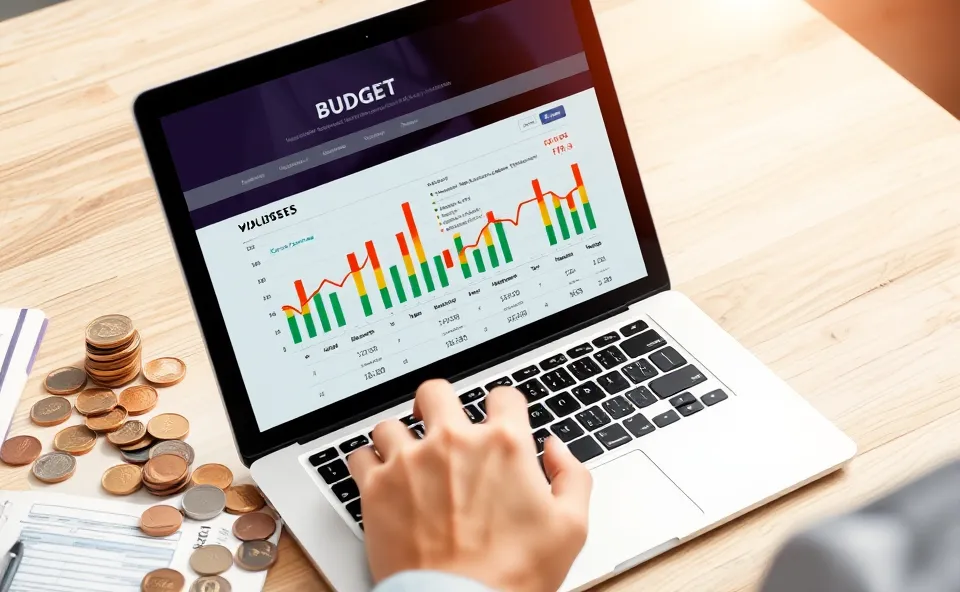
Getting Your Money Right: Your First Personal Budget
Let’s face it, talking about money can feel a little… intimidating. Maybe you’ve heard the word “budget” thrown around and pictured complicated spreadsheets or strict rules that zap all the fun out of life. But here’s a secret: creating your first personal budget is actually your superpower for taking control of your finances. Think of it not as a straitjacket, but as a roadmap. It’s about understanding where your money goes so you can decide where you want it to go. This guide will walk you through how to create a personal budget, step by step, making budgeting for beginners feel totally doable.
Why Everyone’s Talking About Budgeting Now
You might be wondering why suddenly everyone seems to be focusing on their personal budget. It’s a trend that’s been bubbling for a while, and it’s really picking up steam. In today’s world, understanding your income vs expenses is more important than ever. With economic shifts and rising costs, people are naturally looking for ways to feel more secure and less stressed about their money. This desire for financial clarity and peace of mind is driving more and more individuals to seek out effective money management strategies, and a personal budget is the cornerstone of that.
A Quick Look Back: The Evolution of Money Management
For generations, managing money was a simpler affair, often done with a physical ledger or just by keeping track in your head. As the world became more complex, so did our financial lives. Credit cards, online banking, and a dazzling array of spending options emerged. This made it easier to spend, but also easier to lose track. The rise of technology has been a game changer, offering new tools and approaches to personal finance. But at its heart, the goal remains the same: to make your money work for you. Creating your first budget today leverages these modern tools while sticking to the timeless principle of mindful spending and saving.
What This Means For You and Your Future
So, what’s the big deal about making your first budget? It’s huge! For you, it means gaining a real sense of control. No more wondering where your paycheck disappeared to. Instead, you’ll see exactly where every dollar is going. This understanding is the first step towards achieving your financial goals, whether that’s saving for a down payment, paying off debt faster, or simply having more breathing room each month. It empowers you to make informed decisions about your spending, aligning it with what truly matters to you. Good money management isn’t just about restriction; it’s about enabling your dreams. For businesses and technology, this trend fuels innovation in financial apps and services, making budgeting for beginners more accessible and user-friendly than ever before.
Looking Ahead: Your Budgeting Journey Continues
Once you create your first budget, it’s not a one-and-done task. Think of it as a living document. The next step is to regularly review and adjust it. Life happens, income can change, and expenses might shift. Your budget needs to adapt with you. As you become more comfortable with expense tracking and financial planning, you might explore more advanced techniques or set more ambitious saving money goals. The future of personal budgeting is likely to be even more integrated with technology, offering personalized insights and automated assistance, making this essential skill even easier to master. The key is consistency and a willingness to learn as you go.
Your Budgeting Questions, Answered
How do I actually create my first budget?
Creating your first personal budget involves a few straightforward steps. First, figure out your total monthly income after taxes. Then, track your spending for a month to see where your money is going. Categorize your expenses (like housing, food, entertainment) and compare them to your income. This income vs expenses comparison is the core of your personal budget. Adjust your spending to meet your financial goals, and you’ve got your starting point for budgeting for beginners!
What are the most important categories for a monthly budget?
When you create a personal budget, focus on the essentials first. These usually include housing (rent or mortgage), utilities, groceries, transportation, and debt payments. After covering these, look at your variable expenses like dining out, entertainment, and personal care. For effective money management, it’s crucial to be realistic about these amounts when setting up your monthly budget. Remember, the goal is to create a sustainable plan.
How often should I update my personal budget?
It’s a great idea to review your personal budget at least once a month. This helps you stay on top of your spending and catch any discrepancies early. Major life changes, like a new job or a significant purchase, might require more frequent adjustments. Consistent expense tracking is key to making your financial planning successful, ensuring your budget remains a useful tool for saving money and reaching your financial goals.
What if my expenses are more than my income?
This is a common challenge when people first start budgeting for beginners, and it’s exactly why creating a personal budget is so important! If your income vs expenses show a deficit, you’ll need to identify areas where you can cut back. Look at your variable expenses first – things like entertainment, dining out, or subscriptions. Small cuts in multiple areas can add up significantly over time, helping you balance your monthly budget and get back on track with your saving money goals.
Can budgeting really help me achieve my financial goals?
Absolutely! Creating your first budget is the foundation for achieving any financial goal. Whether you want to build an emergency fund, save for a vacation, or pay off student loans, a personal budget gives you the clarity and control to make it happen. By understanding your income vs expenses and consciously allocating funds towards your objectives, you transform vague desires into actionable plans, making your financial planning far more effective and empowering you to start saving money with purpose.











