

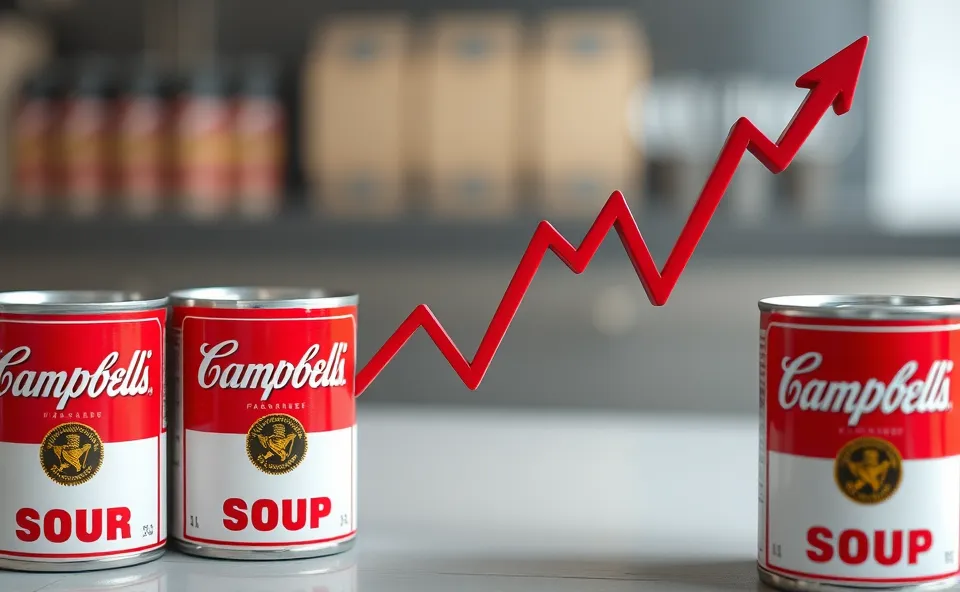
A Major Shift in the Market’s Appetite for CPG Stocks
Imagine a big financial institution, a real heavyweight like Deutsche Bank, suddenly changing its mind about a whole group of companies we all rely on. That’s essentially what happened recently, as Deutsche Bank took a more cautious, or “bearish,” stance on Consumer Packaged Goods, often called CPG stocks, back in March. This isn’t just a casual observation; it’s a significant shift in their investment analysis, sending ripples through the market. They’ve essentially signaled that they see tougher times ahead for some of the brands that fill our grocery carts.
At the heart of this updated stock market outlook was a specific move that caught many investors’ attention: Deutsche Bank downgraded Campbell’s, widely known by its ticker symbol CPB. Now, a “downgrade” isn’t a minor tweak. It means the bank believes Campbell’s stock might not perform as strongly as previously expected, or that its share price could face headwinds. For a company like Campbell’s, a household name synonymous with soup and snacks, this kind of assessment from a leading institution naturally makes people sit up and take notice. It suggests a re-evaluation of the company’s prospects in the current economic climate, and it’s a key part of their broader market prediction for the consumer staples sector.
Why Everyone’s Talking About This Financial Forecast Now
So, why is Deutsche Bank’s recent assessment of CPG stocks, and particularly the Campbell’s downgrade, such a hot topic right now? It largely boils down to timing and relevance. We’re currently in a period where investors are very sensitive to any signals about the health of the economy and consumer spending. Reports like this from Deutsche Bank provide a critical financial forecast, helping people understand where money might be flowing next.
This market prediction is especially impactful as we approach the thick of Q1 earnings season. Companies like Campbell’s will soon be reporting how they performed in the first three months of the year. Deutsche Bank’s bearish outlook effectively sets a lower bar, or at least raises questions, for what we might expect from those reports. If a major bank is already cautious, it suggests they believe the upcoming numbers might not be as robust as some hope, making investors scrutinize every detail. For anyone tracking consumer staples, this move by Deutsche Bank is a significant data point, guiding their thinking on how these typically stable companies might fare in the coming months.
The Evolving Story of Consumer Staples
To really grasp the weight of Deutsche Bank’s recent move on CPG stocks, we need a quick look at how these companies have typically been viewed. For a long time, CPG companies, often grouped under the “consumer staples” umbrella, were considered the reliable, steady performers of the stock market. Think about it: no matter the economic climate, people generally still buy food, toiletries, and cleaning supplies. This consistent demand made them attractive investments, especially during uncertain times or periods of high inflation. They were seen as safe havens, offering stability and often consistent dividends.
However, the past few years have brought new challenges. While inflation initially allowed many CPG companies to raise prices, consumers eventually began to push back. They started looking for cheaper alternatives, store brands, or simply cutting back where they could. This shift in consumer behavior, combined with rising input costs for businesses and ongoing supply chain complexities, began to squeeze profit margins. Even major players like Campbell’s, despite their strong brand loyalty, aren’t immune to these pressures. This changing landscape set the stage for financial institutions like Deutsche Bank to re-evaluate their long-held views on these companies, leading to a more cautious market prediction for the sector.
The Meaning for Your Investments and Beyond
When Deutsche Bank issues a bearish outlook on CPG stocks and specifically makes a downgrade on Campbell’s, it carries real weight. For individual investors, this kind of investment analysis can signal a potential shift in momentum for companies like CPB. A downgrade usually means analysts believe the company’s stock is likely to underperform its peers or the broader market, at least in the short to medium term. This could, in turn, influence the share price, potentially leading to downward pressure as some investors might decide to sell or hold off on buying.
But the impact isn’t just about Campbell’s or your personal portfolio. This market prediction from a major bank can also influence how other financial institutions view the entire consumer staples sector. It might prompt other analysts to review their own ratings, potentially leading to a broader re-evaluation across many CPG stocks. For the businesses themselves, a downgrade or a bearish sector outlook can make it tougher to attract investment or might push them to re-examine their strategies, focusing more intensely on cost-cutting, innovation, or finding new ways to connect with value-conscious consumers. It’s a signal that the traditional strengths of consumer staples might not be enough to guarantee strong performance in the current economic environment.
What the Future Might Hold for CPG Giants
Looking ahead, Deutsche Bank’s recent market prediction for CPG stocks, particularly the Campbell’s downgrade, suggests a period of closer scrutiny for the entire consumer staples sector. It’s unlikely this will be the last word on the matter. What we might see next is a reaction from other analysts and investment firms. Will they concur with Deutsche Bank’s financial forecast, or will they maintain a more optimistic view?
The upcoming Q1 earnings reports will be absolutely critical. These reports will provide fresh data on sales, profits, and future outlooks directly from companies like Campbell’s and its peers. These numbers will either validate Deutsche Bank’s bearish outlook or present a stronger counter-narrative. If earnings are weaker than expected, it could reinforce the cautious sentiment, potentially leading to further share price adjustments across CPG stocks. Conversely, if some companies manage to defy expectations, it could spark a renewed interest. CPG companies themselves will likely continue to adapt, focusing on strategies to manage inflation, streamline operations, and innovate to attract consumers who are increasingly mindful of their spending. The road ahead for consumer staples may involve more volatility than their traditionally stable reputation suggests, making careful investment analysis even more important.
Common Questions About the CPG Stock Market Shift
Why is Deutsche Bank’s view on CPG stocks important?
Deutsche Bank is a major global financial institution, and its investment analysis carries significant weight in the market. When it issues a financial forecast or a market prediction for a sector like CPG stocks, it often influences how other analysts and large institutional investors view those companies, potentially affecting their share price and investment strategies across consumer staples.
What exactly does a “downgrade” for Campbell’s CPB mean for its stock?
A downgrade means that Deutsche Bank, after its investment analysis, believes Campbell’s stock is likely to underperform its previous expectations or the broader market. This can lead to investors re-evaluating their positions in CPB, potentially causing its share price to experience downward pressure or slower growth compared to other stocks.
How might this market prediction affect other consumer staples?
Deutsche Bank’s bearish outlook on CPG stocks, while specifically highlighting Campbell’s, often indicates a broader sentiment about the consumer staples sector. This market prediction can prompt other analysts to review their own ratings on similar companies, potentially leading to a more cautious view across a range of CPG stocks as investors consider the implications of the broader financial forecast.
What factors are contributing to this bearish financial forecast for CPG stocks?
Several factors contribute to a bearish outlook, including concerns about persistent inflation impacting consumer spending habits, increased competition from private label brands, rising production costs for CPG companies, and a general expectation of slower growth in consumer staples as the economy adjusts. These elements influence the investment analysis and market prediction for the sector.
Should investors be concerned about the Q1 earnings for companies like Campbell’s?
Deutsche Bank’s downgrade of Campbell’s and its bearish outlook for CPG stocks suggest that upcoming Q1 earnings reports might reveal challenges for these companies. Investors should pay close attention to sales growth, profit margins, and forward-looking guidance in these reports, as they will provide crucial data to either confirm or challenge this market prediction and further inform the overall stock market outlook for consumer staples.











