

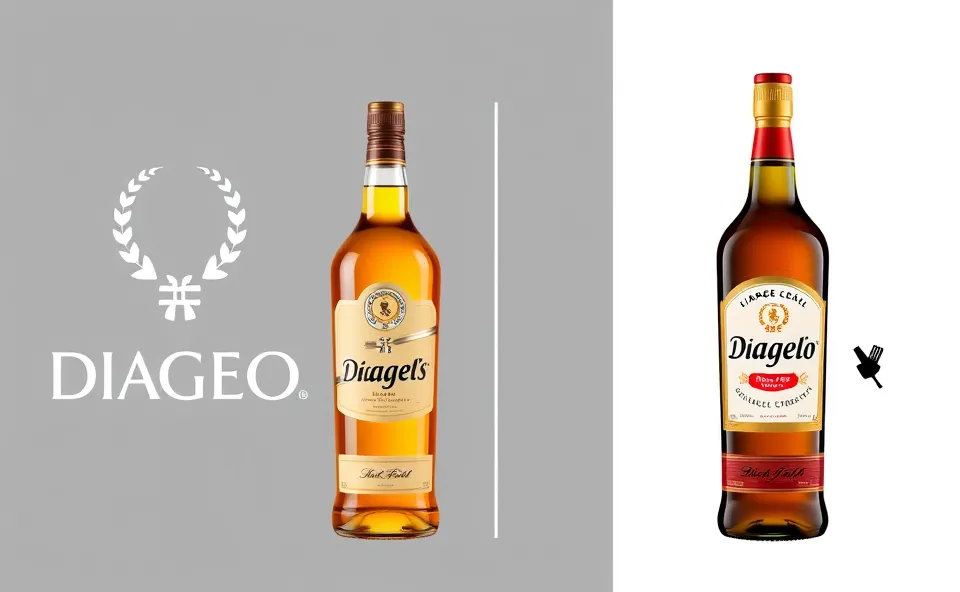
Diageo’s Big Shake-Up Moving Beyond Fancy Bottles
So, what’s the big news with Diageo? It looks like this giant in the drinks world is making a pretty significant strategic shift. For a while there, the buzz was all about premiumization – getting people to buy more expensive, fancier drinks. Think your small-batch whiskies and artisanal gins. Now, the focus seems to be turning towards the broader mass market and, perhaps more noticeably, a serious drive for cost cuts. It’s a move that’s turning heads in the beverage industry and beyond.
Why All the Chatter About Diageo’s Strategy Now?
You’re hearing about Diageo’s strategy pivot now because the company is actively communicating these changes and, importantly, starting to show some of the results. This isn’t just talk; it’s a realigning of their business to address current economic realities and evolving consumer trends. When a company of Diageo’s size makes a move like this, it signals a potential shift in how other major players in the global beverages market might approach their own strategies. It’s a case study in how established companies adapt to keep their profit margins healthy and maintain shareholder value.
Remembering the Days of Exclusive Sips
To really get why this shift is a big deal, we need a quick look back. For years, the big story in the spirits market and the wider beverage industry was all about moving upmarket. Brands were pushing their higher-end offerings, and consumers, especially in certain markets, were willing to spend more for perceived quality and exclusivity. Diageo, with its incredible brand portfolio, was a master of this premiumization trend. They invested heavily in marketing and developing these premium lines, which generally meant better profit margins and a stronger brand image. It was a winning formula for a good stretch of time, focusing on the discerning consumer who appreciated the craft and story behind a drink.
What This Means for Everyone
This strategic shift from a pure premiumization focus to a more balanced approach, emphasizing the mass market and cost cuts, has a ripple effect. For consumers, it could mean more accessible price points on some of their favorite brands, or perhaps a greater availability of popular choices. It might also mean a renewed focus on core, well-known brands that have broad appeal.
For Diageo itself, this means a significant overhaul of how they operate. Cost cutting isn’t just about trimming the fat; it’s about optimizing operational efficiency across their vast global operations. This could involve streamlining supply chains, re-evaluating marketing spend, and making tougher decisions about their brand portfolio. The goal is clear: to protect and improve profit margins even when economic conditions are uncertain. This focus on efficiency is crucial for maintaining shareholder value, especially when revenue growth might be harder to come by.
In the broader spirits market, this move signals that even leaders in premiumization are not immune to economic pressures. It suggests that a strong mass market presence, coupled with solid operational efficiency, is becoming just as, if not more, important than solely chasing the high end. Other companies in the beverage industry will likely be watching closely, potentially adapting their own market strategy. It’s a reminder that consumer trends are dynamic, and a company needs to be agile to stay ahead. This could also mean a reassessment of how brands are positioned, balancing the aspiration of premium with the reality of everyday consumption. The chase for market share in the mass market might see renewed vigor, with companies fighting for the everyday consumer’s wallet.
Looking Ahead: What Comes Next?
So, where does this leave Diageo and the broader industry? Looking ahead, we can expect Diageo to double down on balancing its premium offerings with a robust mass market strategy. This doesn’t necessarily mean abandoning premium altogether, but rather finding a more sustainable equilibrium. We might see more targeted marketing efforts that appeal to a wider audience, alongside continued innovation in existing popular categories.
The cost cutting measures are likely to be ongoing. Companies like Diageo are always looking for ways to improve operational efficiency. This could translate into smarter manufacturing processes, more efficient distribution networks, and potentially a more streamlined approach to brand management. The focus will be on doing more with less, without sacrificing the quality that consumers expect.
For the spirits market, this could mean a more competitive landscape across all price points. Companies that can effectively balance premium appeal with mass market accessibility and strong cost management will be best positioned. It’s a dynamic environment, and Diageo’s strategic shift is a clear indicator that adaptability and a keen understanding of consumer trends are paramount for long-term success in the global beverages sector. We could also see a renewed emphasis on core products that have proven resilience across different economic cycles.
Frequently Asked Questions About Diageo’s Changing Game
What is the main change in the Diageo strategy?
The primary shift in Diageo strategy involves moving beyond a sole focus on premiumization to embrace the mass market more broadly, alongside significant cost cutting measures. This means appealing to a wider range of consumers and improving operational efficiency to boost profit margins.
Why is Diageo focusing more on the mass market now?
The increased focus on the mass market is likely a response to evolving consumer trends and economic conditions. While premium drinks remain important, a strong presence in the mass market offers a larger customer base and can provide more stable revenue streams, contributing to overall shareholder value.
How are the cost cuts impacting Diageo’s brand portfolio?
The cost cuts are aimed at improving operational efficiency across the board. This could lead to a reevaluation of the entire brand portfolio, ensuring that resources are allocated to brands with the strongest market potential, both in the premium and mass market segments. The goal is to streamline operations and enhance profit margins.
What are the implications of Diageo’s market strategy for the beverage industry?
Diageo’s market strategy is significant for the beverage industry because it shows a leading company adapting to economic realities. It suggests that a balanced approach, combining mass market appeal with operational efficiency, is a key to navigating the current global beverages landscape and maintaining strong profit margins.
What does Diageo’s shift mean for consumers interested in premiumization?
For consumers interested in premiumization, this shift doesn’t necessarily mean an end to high-end offerings. However, it indicates a broader company focus. Consumers might still find premium options, but the company’s overall strategic direction is now more inclusive of the mass market, aiming for operational efficiency and broader appeal in the spirits market.











