

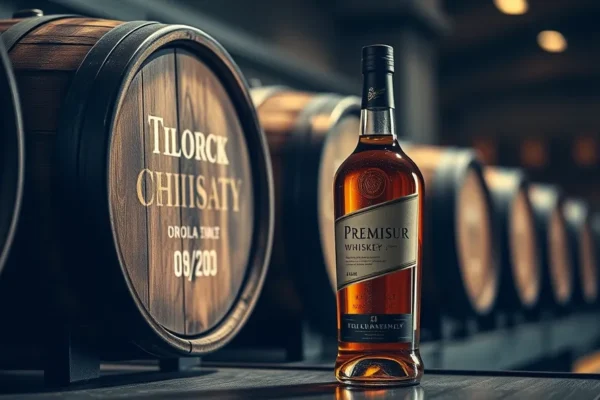
Whisky Casks, Clicks, and Confusion: The Diageo and India Labeling Rumble
So, there’s a bit of a kerfuffle brewing between Diageo, the global giant behind brands like Johnnie Walker and Royal Challenge, and India’s own liquor regulations. At the heart of it all is a claim on some whisky bottles: “matured in American oak casks.” While it sounds like a simple detail, it’s turned into a significant point of contention, with Indian authorities stepping in to raise questions about whether this marketing is really telling the whole story. This isn’t just about wood types; it’s a classic case of how marketing claims can sometimes run into the brick wall of strict government rules, especially in a market as huge and growing as India’s for alcoholic beverages.
Why This Whisky Tussle Is Suddenly Everywhere
You’re probably hearing about this now because the regulatory warning has become public, and it’s hitting the headlines. When a big player like Diageo faces a warning from a major market like India regarding its product labeling, it’s a signal flare for the entire industry. It highlights the delicate dance between creative marketing and unwavering compliance, especially concerning something as specific as whisky maturation standards. This issue touches on consumer protection, making sure shoppers aren’t misled by what’s on the bottle, and it’s sparking a lot of chatter among industry insiders, regulators, and even savvy consumers who care about the details of their favorite drinks.
A Sip of the Past: Why This Matters So Much
To truly get why this is a big deal, we need to rewind a bit. India has its own set of liquor labeling laws, which are designed to ensure clarity and prevent misleading consumers. For a long time, the regulations around whisky in India have been quite specific about what can and cannot be claimed, particularly when it comes to the origin and type of wood used for maturation. American oak casks are often prized for the distinct flavors they impart to whisky, like vanilla and spice. Companies like Diageo often highlight this in their marketing because it’s a perceived quality indicator. However, the Indian authorities seem to be pointing out that while some part of the maturation might involve American oak, the overall process or the specific whiskies being marketed might not exclusively or predominantly meet the criteria they expect based on such claims. This isn’t the first time a multinational has faced scrutiny over marketing claims in India, a market known for its detailed regulatory landscape.
The Ripple Effect: What This Means for Everyone
So, what’s the actual impact of this Diageo and India whisky regulations spat? For consumers, it’s a reminder to be a bit more critical about what they read on labels. It underscores the importance of clear and accurate information in consumer protection. If Diageo has to change its labeling, it could mean that bottles currently on shelves might get a facelift, or certain claims might disappear altogether. For Diageo India stock, while this is a specific product issue, any significant regulatory challenge can cast a shadow, prompting investors to watch closely how the company navigates these waters. For the broader alcoholic beverage industry in India and beyond, this serves as a sharp reminder about alcohol marketing compliance. It means that companies need to be extra diligent in ensuring their marketing messages align perfectly with local laws, especially in complex markets. This could lead to stricter internal reviews of labeling practices across the board. We might also see a push for more standardized whisky maturation standards globally, or at least clearer definitions within different regional regulations.
What’s Next on the Whisky Horizon?
Looking ahead, the most immediate next step will likely involve Diageo responding to the regulatory warning. This could mean engaging in dialogue with the authorities, providing more detailed information about their maturation processes, or agreeing to modify their labeling. If Diageo decides to challenge the ruling, it could lead to a longer, more public legal or regulatory battle. On the other hand, a swift agreement to comply might involve a quiet adjustment of labels and marketing. Regardless, this situation will likely encourage other companies operating in India to re-evaluate their own labeling strategies. It could also prompt Indian regulators to further refine or clarify their existing liquor labeling laws, especially as the premium alcohol market continues to grow. We might see a trend towards more transparency in whisky maturation claims, benefiting consumers in the long run.
Your Burning Questions Answered
What exactly is the issue with Diageo’s whisky labeling in India?
The core issue revolves around Diageo’s claim of whiskies being “matured in American oak casks.” Indian authorities are questioning if this claim accurately reflects the maturation process for the specific products being marketed, suggesting it might be misleading under their liquor labeling laws.
Why is the “matured in American oak casks” claim so important?
American oak casks are known for imparting specific desirable flavors and characteristics to whisky. Highlighting this in marketing is a way to signify quality and a particular taste profile. However, for this claim to be valid, the maturation process typically needs to align with certain standards, which is where the regulatory scrutiny comes in.
How might this affect Diageo India stock?
While this is a specific regulatory issue, significant challenges to a company’s operations or marketing can influence investor sentiment. The market will be watching how Diageo India handles this situation and its impact on sales and brand reputation. Consistent adherence to alcohol marketing compliance is key for stable stock performance.
What does this mean for other companies in the alcoholic beverage industry?
This incident serves as a strong reminder for all players in the alcoholic beverage industry to ensure their marketing and labeling practices are fully compliant with India’s specific liquor labeling laws. It highlights the need for thorough due diligence on claims, especially those related to production processes and ingredients, emphasizing consumer protection.
Could this lead to changes in whisky maturation standards in India?
It’s possible. Regulatory warnings like this can prompt authorities to review and potentially update or clarify existing whisky maturation standards. This could lead to more defined rules regarding what constitutes “matured in” a particular type of cask, ensuring greater consistency and transparency in the market.











