

The Tension in the Strait of Hormuz and the Global Ripple Effect
If you have been following the news lately, you have likely heard about the growing tension surrounding the Hormuz crisis. For those who might not be familiar, the Strait of Hormuz is one of the most critical maritime chokepoints in the entire world. It is a narrow waterway that connects the Persian Gulf with the Gulf of Oman and the Arabian Sea. Because so much of the world’s oil and liquefied natural gas passes through this tiny stretch of water, any sign of trouble there sends shockwaves through the global economy.
When we talk about the Hormuz crisis, we are talking about more than just regional politics. We are talking about the stability of the global energy market. When there is a threat to shipping or an increase in geopolitical risk, the cost of moving goods goes up, and the price of energy often follows suit. This creates a massive amount of uncertainty for businesses that rely on a steady flow of fuel and raw materials. However, while most people see this tension as a reason for concern, some parts of the market are finding ways to turn this instability into opportunity.
This brings us to a very interesting development in the world of industrial stocks. While many sectors are struggling with the unpredictability of global trade, certain large players are actually seeing their value soar. It is a strange paradox of the modern economy: sometimes, the very things that cause chaos for the general public can act as a catalyst for specific companies to thrive.
Why Everyone is Suddenly Talking About DOW Stock
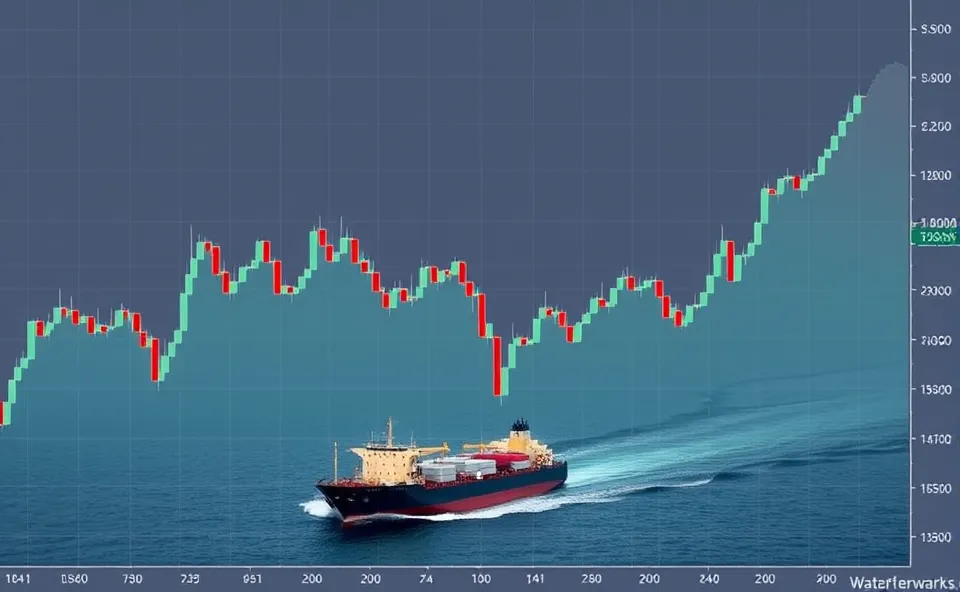
You might be wondering why a specific name keeps popping up in financial discussions lately. The reason is quite simple. Dow Inc. has been putting up numbers that are hard to ignore. In just six months, the stock has seen a massive 77% rise. That is not just a small uptick or a steady climb. That is a vertical move that has caught the attention of analysts and casual observers alike.
People are searching for information about this company because they want to understand the mechanics behind such a rapid climb. They want to know if this is a temporary spike driven by fear or if there is something deeper happening. When a major chemical company shows this kind of stock performance during a time of global unrest, it signals that the market is pricing in something significant regarding the energy market and supply chain shifts.
The search interest is also driven by the fact that Dow Inc. is often viewed as a reliable dividend stock. During times of high volatility, investors often look for companies that can provide a cushion through consistent payouts. The combination of a massive price jump and the underlying stability of a large industrial firm makes it a very compelling story in the current economic climate.
Understanding the Role of Dow Inc. in the Global Supply Chain
To understand why the Hormuz crisis might be helping this company, we first need to look at what Dow Inc. actually does. It is not just a simple manufacturer. It is a massive chemical company that sits at the very beginning of the production chain for countless products we use every day. From plastics and coatings to industrial intermediates, their materials are the building blocks for everything from cars to packaging.
Because they operate at such a large scale, their business is deeply intertwined with the costs of energy and the efficiency of shipping. Usually, when energy prices rise due to a crisis, it can be a burden for manufacturers. However, the relationship is more complex than a simple cost-versus-profit equation. In many cases, when the entire world experiences a spike in commodity prices, the companies that produce the essential raw materials often find themselves in a position of increased pricing power.
Furthermore, Dow Inc. has spent years optimizing its operations to handle various market conditions. They are not just reacting to the world; they are built to navigate it. This background of industrial strength is what allows them to remain resilient even when the geopolitical landscape becomes messy and unpredictable.
How Geopolitical Risk Impacts the Energy and Shipping Markets
Let us dive a bit deeper into the connection between the Hormuz crisis and the movement of these industrial stocks. The primary impact of the crisis is felt in two major areas: energy and shipping. When the threat of conflict or disruption increases in the Strait of Hormuz, the energy market reacts almost instantly. This leads to higher costs for the fuels that power global industry.
At the same time, the shipping industry faces new challenges. If vessels have to take longer routes to avoid high risk zones, or if insurance premiums for ships traveling through sensitive areas skyrocket, the cost of moving goods increases. This creates a ripple effect through the entire global economy. For many companies, this means higher expenses and thinner profit margins.
However, for a company like Dow Inc., these factors can play out differently. Here is how the impact often manifests:
- Increased Commodity Value: As energy prices rise, the value of the chemical derivatives produced by the company often rises along with them.
- Supply Chain Realignment: When traditional shipping routes become risky, the market often shifts toward more stable, albeit more expensive, supply chains, which can favor established giants with the infrastructure to handle the change.
- Market Sentiment: During periods of high geopolitical risk, there is often a flight to quality. Investors move away from speculative, small-cap companies and move toward massive, established industrial stocks that have the cash flow to weather a storm.
This combination of factors helps explain why the stock performance of Dow Inc. has been so much more positive than many other sectors of the market during this period of uncertainty.
Looking Ahead at the Potential for Future Gains
As we look toward the future, the big question is whether this trend can continue. It is important to remember that the 77% rise in six months is an extraordinary achievement, and markets rarely move in a straight line forever. The path forward for DOW stock will likely depend on how the Hormuz crisis evolves. If the situation in the Middle East stabilizes, the immediate premium that the market is placing on these stocks might cool down.
On the other hand, if the geopolitical risk increases, we could see even more volatility. In a scenario where energy prices remain elevated and shipping disruptions become a permanent fixture of the global landscape, the companies that can leverage these high prices to maintain their margins will likely remain in favor. The ability of a chemical company to pass on costs to consumers is a key factor to watch.
From an investment strategy perspective, the focus will likely remain on how these companies manage their debt and how they continue to reward shareholders through their dividend stock status. While there is plenty of potential for further gains, the market will be watching closely to see if the company can maintain its operational efficiency amidst the ongoing chaos in the energy market. The story of Dow Inc. is currently a perfect example of how global politics and industrial chemistry are inextricably linked.
Frequently Asked Questions
How does the Hormuz crisis specifically affect Dow Inc.?
The Hormuz crisis affects the company primarily through the energy market and shipping costs. While higher energy prices can increase production costs, they also tend to increase the market value of the chemical products that Dow Inc. produces. Additionally, the company’s ability to navigate geopolitical risk in the shipping industry plays a major role in its overall stock performance.
Is Dow Inc. considered a reliable dividend stock?
Dow Inc. is widely recognized in the industrial stocks sector for its commitment to returning value to shareholders. Many investors view it as a solid dividend stock because of its massive scale and the essential nature of the products it manufactures, which can help provide a level of stability even when the broader markets are volatile.
Why have industrial stocks like DOW stock risen so much recently?
The significant rise in DOW stock is largely due to a combination of increased commodity pricing and a shift in investor sentiment. As the Hormuz crisis creates uncertainty, investors often look for established chemical companies that can maintain profitability through high energy prices and significant global demand for industrial materials.
What is the link between the energy market and the shipping industry for a chemical company?
A chemical company relies on both a steady supply of energy to fuel its plants and efficient shipping to move its products globally. When the energy market is disrupted by events like the Hormuz crisis, it changes the cost structure of both fuel and logistics. This can create a complex environment where higher costs are balanced by higher product prices.
How should the current situation influence a long term investment strategy?
When considering an investment strategy during times of high geopolitical risk, many people look at how companies manage supply chain disruptions and energy costs. Watching how a company like Dow Inc. handles the volatility of the energy market and whether it can maintain its dividend payments is a common way to evaluate its long term strength.











