

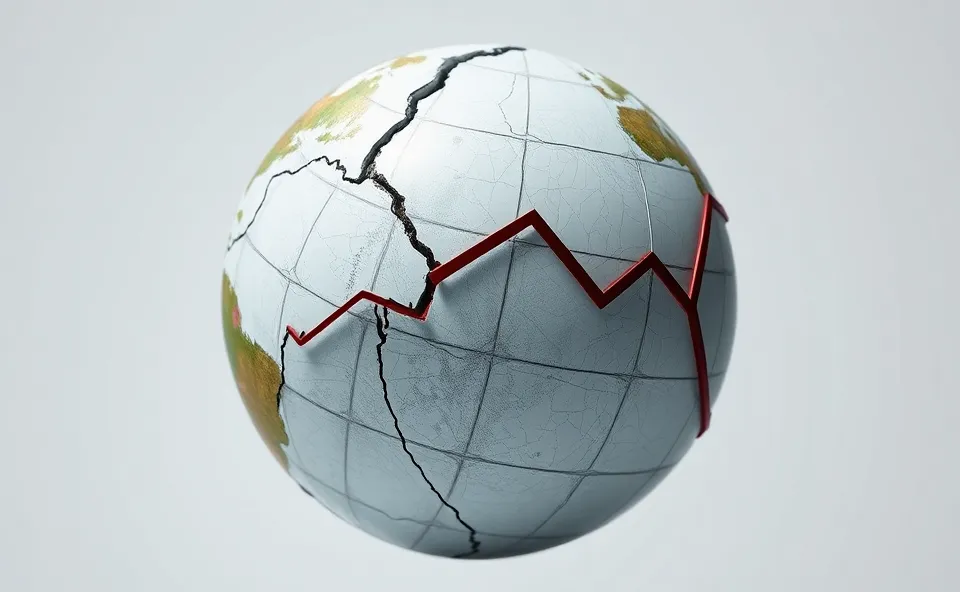
Has Our Economic Strength Been Just Good Fortune?
We often talk about economic resilience, this idea that our global economy can bounce back from shocks. Think of it like a strong person who can shake off a cold. But lately, it feels less like strength and more like a lucky streak. We’ve seen a lot of ups and downs, and it makes you wonder: are we truly tough, or have we just been fortunate that the really big punches haven’t landed yet?
Why Are We Talking About This Now?
The reason this conversation is buzzing right now is pretty simple. We’ve lived through a rollercoaster of events in recent years. First, there was a global pandemic that turned everything upside down. Then, supply chains snapped, prices shot up, and major conflicts flared up. Each of these events could have sent the global economy spiraling, but somehow, it hasn’t completely fallen apart. This pattern of near misses and surprising recoveries makes people question the underlying stability of our financial systems. Are we robust enough to handle the next big challenge, or is the current economic outlook built on shaky ground?
A Quick Look Back: The Smoother Times
To understand where we are, it helps to remember how things used to feel. For a good while, the global economy seemed to be on a pretty steady climb. Major economies were growing, inflation was mostly under control, and while there were always smaller bumps, nothing seemed capable of derailing the whole show. We’d gotten used to a certain level of economic stability. When a crisis did pop up, like the 2008 financial meltdown, we saw how interconnected everything was and how quickly things could go wrong. But after that, through various interventions and a period of relative calm, many believed the world had learned its lessons and built a more robust system. We saw continued globalization, easy access to credit, and a general sense of optimism about the future. This created a perception of strong economic resilience.
What Does This Mean for Us?
So, what’s the real deal with this economic resilience, or lack thereof? For everyday people, it means uncertainty. When the global economy is fragile, it can lead to job losses, higher prices for essentials, and a general feeling of insecurity about the future. Think about how your grocery bills have changed, or how the cost of a vacation has jumped. This isn’t just random; it’s a symptom of underlying pressures in the global finance system.
For businesses, the situation is even more complex. They face a constant battle with market vulnerability. Supply chains can be disrupted with little warning, making it hard to get the materials they need. Inflation erodes profits and makes it difficult to plan long-term investments. Companies that are heavily leveraged or don’t have strong cash reserves are particularly at risk of recession. The constant threat of economic instability means they have to be incredibly agile and adaptable, which isn’t always easy or cheap.
Technologically, this push for resilience is driving innovation. Companies are investing in better data analytics to predict market shifts, developing more flexible manufacturing processes, and exploring ways to create more secure and diversified supply chains. The goal is to build systems that can withstand unexpected shocks, but this often comes with a significant cost.
For the markets themselves, this questioning of economic resilience means increased volatility. Investors are constantly watching for signs of weakness, and even small pieces of bad news can trigger significant sell-offs. This heightened market vulnerability can lead to wild swings, making it harder for long-term investors to feel confident.
Ultimately, if economic resilience is more luck than strength, it means we’re living with a higher degree of risk than we might have realized. The economic outlook could change very quickly, and while we’ve managed to avoid the worst so far, there’s no guarantee that streak will continue. This is why understanding economic fragility is so important – it helps us prepare for potential downturns and make more informed decisions in our own financial lives.
Peering Into Tomorrow: What’s Next?
Looking ahead, the path forward for economic resilience is anything but clear. We’re seeing a global economy grappling with persistent inflation, the lingering effects of past disruptions, and new geopolitical tensions. It’s a complex puzzle. On one hand, governments and international bodies are working to strengthen financial stability. They’re exploring ways to diversify economies, build stronger safety nets, and manage debt more carefully.
However, there are also significant headwinds. Deglobalization trends, protectionist policies, and the ongoing effects of climate change all present new challenges. The risk of recession, while perhaps not imminent, remains a constant concern for many economists. The economic uncertainty we’re experiencing is likely to continue, forcing businesses and individuals to remain adaptable.
We might see a greater focus on regional economic blocs as countries seek to reduce their reliance on distant partners. Technology will undoubtedly play a crucial role, with advancements in AI and automation potentially offering new ways to boost productivity and resilience, but also raising questions about job displacement. The overall economic outlook depends heavily on how effectively policymakers can navigate these competing forces and whether the global community can foster genuine collaboration to address shared vulnerabilities.
Frequently Asked Questions About Economic Resilience
What exactly is economic resilience?
Economic resilience refers to the ability of an economy, whether local, national, or global, to withstand, adapt to, and recover from shocks and stresses. It’s about how well our financial stability can hold up when things go wrong, like during a recession risk or a major crisis.
Why is economic fragility a growing concern?
Economic fragility is a concern because recent global events have exposed weaknesses in our systems. We’re seeing increased market vulnerability and economic uncertainty, making people question if our current economic resilience is truly strong or just a result of good luck. The economic outlook is constantly being reassessed.
How does economic resilience affect businesses?
For businesses, economic resilience means the capacity to maintain operations and recover from disruptions. A lack of strong economic resilience can lead to supply chain issues, price volatility, and increased recession risk, impacting everything from profitability to long-term planning within the global economy.
What are the signs of a fragile global economy?
Signs of a fragile global economy include persistent inflation, unstable financial markets, difficulty in recovering from supply chain disruptions, and a general increase in economic uncertainty. These indicators often suggest that the system’s economic resilience is being tested more than usual.
Can technological advancements improve economic resilience?
Yes, technological advancements can significantly improve economic resilience. Innovations in areas like data analysis, automation, and secure communication networks can help businesses and economies better predict, adapt to, and recover from economic shocks, thereby strengthening overall financial stability.











