

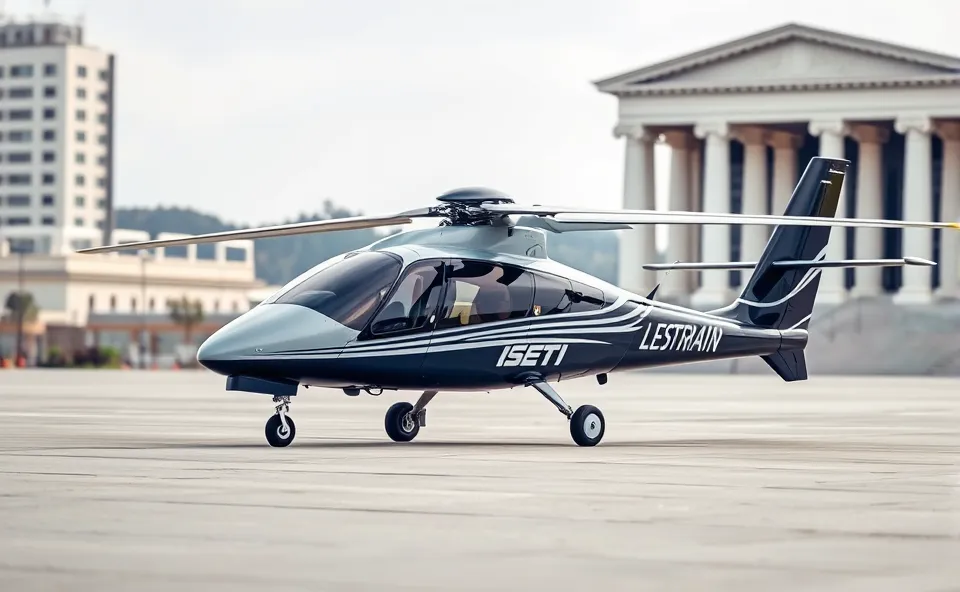
The Air Taxi Race Hits Turbulence
Imagine hopping into an electric air taxi, zipping over traffic jams, and arriving at your destination in minutes. Sounds like the future, right? Companies like Joby Aviation, Archer Aviation, and Vertical Aerospace are working hard to make this a reality with their electric vertical takeoff and landing eVTOL technology. But right now, their dreams of launching these amazing machines are being grounded by some serious legal battles. These aren’t just small disagreements; we’re talking about accusations of corporate espionage and patent infringement that are shaking up the entire electric air taxi industry.
Why All the Buzz About Air Taxi Lawsuits Now?
You might be wondering why these air taxi lawsuits are suddenly making headlines. The truth is, the legal fights have been brewing for a while, but recent developments have brought them to the forefront. As these companies inch closer to commercial operations, the stakes get higher, and the disputes over who owns what intellectual property become more critical. It’s like everyone’s getting ready for the big race, and suddenly, people are accusing each other of stealing the blueprint for the winning car. This urgency to resolve these issues is why the public and the industry are paying so close attention to these air taxi lawsuits right now.
The History Behind the Clouds of Conflict
To understand the current air taxi lawsuits, we need a little rewind. For years, Joby Aviation, Archer Aviation, and other players in the urban air mobility space have been pouring resources into developing their unique eVTOL technology. This is cutting edge stuff, involving complex designs and proprietary systems. In an industry where innovation is everything, protecting that innovation through patents is paramount. Think of it as guarding the secret sauce. Unfortunately, as these companies grew and competed for talent and investment, accusations started flying. For instance, some of the ongoing air taxi lawsuits involve claims that key employees left one company to join another, taking valuable trade secrets and designs with them. This isn’t just about one company suing another; it’s about fundamental questions of intellectual property ownership in a rapidly evolving field.
The core of these disputes often centers on:
- Allegations of Corporate Espionage: Claims that one company has improperly obtained sensitive information or trade secrets from another.
- Patent Infringement: Arguments that a company’s eVTOL technology or design violates existing patents held by another.
- Employee Poaching: Disputes arising when employees with specialized knowledge move between competing firms.
These aren’t minor points. They represent potentially foundational elements of aviation innovation that could define who leads the pack in the emerging electric air taxi market. The background of these air taxi lawsuits is complex, woven with threads of intense competition and the high stakes of groundbreaking technology.
The Real-World Impact of These Legal Headwinds
So, what does all this legal drama mean for you, the potential passenger of an electric air taxi? It means delays. Significant delays. The commercial rollout of these amazing vehicles, which promised to revolutionize urban transportation and create new avenues for aviation innovation, is being held up. Think about it: building and certifying new aircraft is an incredibly rigorous and time-consuming process, even without legal battles. When you add lawsuits and investigations into the mix, it adds layers of complexity, uncertainty, and cost.
These court cases are not just abstract legal arguments; they have tangible consequences:
- Slower Commercialization: The promise of hailing an air taxi to beat rush hour traffic is pushed further into the future.
- Increased Development Costs: Legal fees and potential settlements or judgments can divert significant funds away from research and development.
- Investor Uncertainty: Ongoing disputes can make investors hesitant, potentially slowing down the funding needed for mass production and infrastructure development.
- Stifled Innovation: While competition drives innovation, prolonged and intense legal fights can sometimes create an environment where companies are more focused on defending their turf than on pushing the boundaries of eVTOL technology.
The impact of these air taxi lawsuits extends beyond the companies involved, affecting the entire ecosystem of urban air mobility and the future of aviation regulation as new technologies emerge.
What’s Next on the Horizon?
Looking ahead, the path forward for Joby Aviation, Archer Aviation, and the broader electric air taxi industry is still being shaped by these legal proceedings. It’s unlikely that these disputes will vanish overnight. We could see several outcomes:
- Settlements: The companies involved might reach agreements outside of court, allowing them to move forward with their plans, though these settlements could involve financial compensation or agreements on technology licensing.
- Court Rulings: If the cases go to trial, court decisions could significantly impact the intellectual property landscape, potentially granting one company exclusive rights or forcing modifications to existing designs.
- Regulatory Scrutiny: These high-profile disputes could also draw increased attention from aviation regulators, who are already tasked with establishing safety standards and operating rules for this new mode of transport.
Ultimately, the resolution of these air taxi lawsuits will be a crucial factor in determining the pace and direction of eVTOL technology development and the widespread adoption of electric air taxis. The hope is that whatever the outcome, it leads to a clearer path for innovation and the safe, efficient integration of air taxis into our cities.
Frequently Asked Questions About Electric Air Taxis and Lawsuits
What are the main companies involved in the current electric air taxi lawsuits?
The primary companies frequently mentioned in discussions about electric air taxi lawsuits include Joby Aviation and Archer Aviation, with Vertical Aerospace also sometimes involved in related industry news concerning aviation innovation.
What kind of legal issues are at the heart of the air taxi lawsuits?
The air taxi lawsuits often involve serious allegations such as corporate espionage and patent infringement related to the proprietary eVTOL technology that powers these next-generation aircraft.
How do these air taxi lawsuits affect the development of electric air taxis?
These ongoing legal battles can significantly delay the commercial rollout of electric air taxis by introducing uncertainty, increasing costs, and diverting resources away from the core development and certification processes for eVTOL technology.
Will these air taxi lawsuits impact urban air mobility?
Yes, the resolution of these air taxi lawsuits is critical for the future of urban air mobility, as it can influence which companies lead the market, the pace of innovation, and the overall investment landscape for this emerging sector.
What is the significance of patent infringement claims in the electric air taxi industry?
Patent infringement claims are highly significant in the electric air taxi industry because they directly address the ownership of the advanced eVTOL technology and designs, which are the core intellectual property driving aviation innovation in this space.











